
The Editorial Team is a collective of technology enthusiasts, computer network engineers, and industry professionals dedicated to creating meticulously curated content for a diverse readership. With a combined experience spanning several decades, our team distills complex technology topics into clear, informative articles. Whether it’s networking fundamentals, cutting-edge AI insights, or in-depth guides on blockchain technology, the Editorial Team strives to provide reliable information that advances the understanding of technology for everyone from students to seasoned professionals.

Editorial Team’s mission
The Editorial Team’s mission extends beyond mere reporting; we aim to be the architects of understanding, constructing bridges over the rivers of jargon and complexity. From the foundational bricks of networking to the ever-evolving skies of cloud computing, we guide you through the technological labyrinth.
We take pride in our meticulous attention to detail and our unwavering commitment to accuracy, ensuring that each piece of information is a thread in the vast tapestry of technological knowledge. As we chart the course through the evolving landscape of technology, we invite our readers to join us on this exhilarating journey of discovery and growth. Together, we not only explore the current terrain of technology but also anticipate the horizons of tomorrow’s innovations.
Our Latest Articles
-

Advanced Mobile Phone Service (AMPS)
AMPS stand for Advanced Mobile Phone Service, is the standard analog cellular phone service used in North and South America.
-

Xerox Network Systems (XNS)
Xerox Network Systems is a suite of networking protocols developed by Xerox Corporation’s Palo Alto Research Center (PARC) in the early 1980s.
-
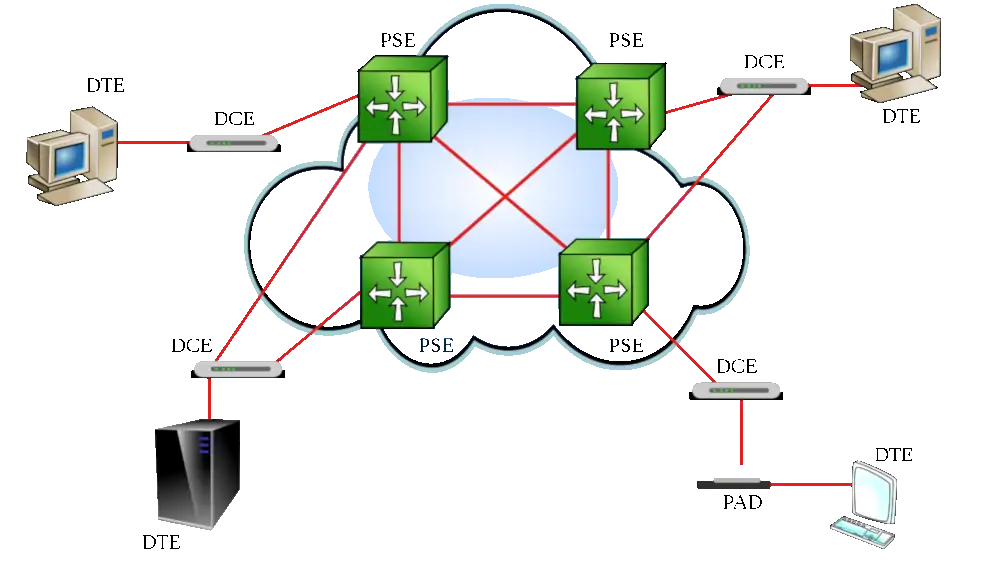
X.25 Protocol
X.25 is a packet-switching protocol for wide area network (WAN) connectivity that uses a public data network (PDN) that parallels the voice network of the Public Switched Telephone Network (PSTN).
-

World Wide Web Publishing Service
World Wide Web Publishing Service is a component of Internet Information Services (IIS) on Microsoft Windows Server Operating Systems that allows users to publish Web content for use on the Internet.
-
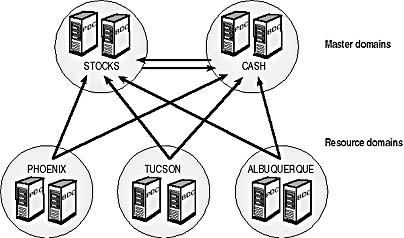
NTDS: From Windows NT Directory Services to NTDS.DIT
Dive deep into the evolution of NTDS, exploring both the historical Windows NT Directory Services and the pivotal NTDS.DIT file in modern Active Directory environments.
-
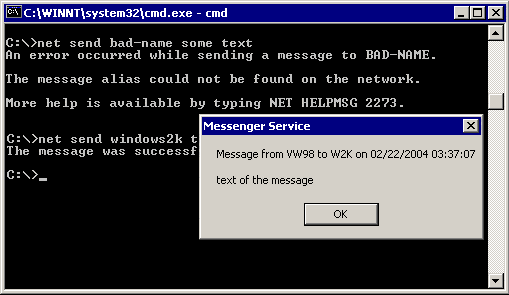
Windows NT Command
Windows NT command is a command that can be typed at the Microsoft Windows NT command prompt, usually to perform an administrative action.
-
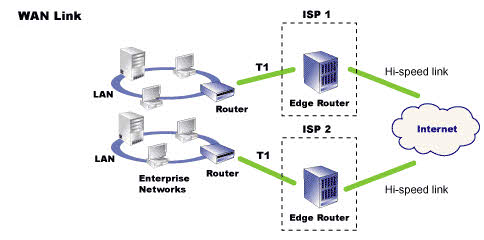
WAN Link
WAN link is a communication circuit that joins two or more local area networks (LANs) into a wide area network (WAN).
-

Virtual Circuit: Bridging Nodes in the Digital Age
Virtual Circuit is a logical path between nodes in a network, typically a telecommunications network.
-

V.35: Understanding the High-Speed Serial Transmission Standard
Explore V.35, the serial transmission standard known for its extended distance support and high-speed data transfer capabilities.
-
Unattended Installation
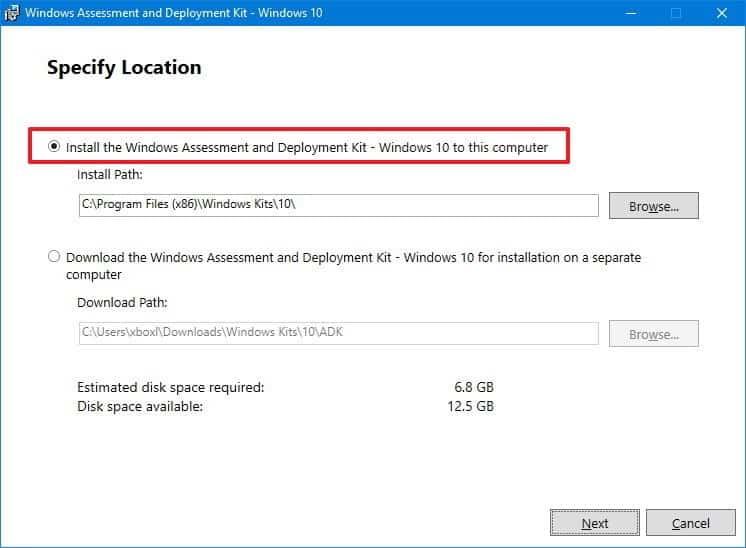
Unattended installation is a procedure for installing software without user intervention.
-

Terminator
Terminator is a device connected to one end of a bus or cable that absorbs signals. Terminators prevent signal reflection, which can produce interference that causes signal loss.
-

TCP Three-Way Handshake: A Comprehensive Guide
TCP three-way handshake is a method of initializing a Transmission Control Protocol (TCP) session between two hosts on a TCP/IP network.