
The Editorial Team is a collective of technology enthusiasts, computer network engineers, and industry professionals dedicated to creating meticulously curated content for a diverse readership. With a combined experience spanning several decades, our team distills complex technology topics into clear, informative articles. Whether it’s networking fundamentals, cutting-edge AI insights, or in-depth guides on blockchain technology, the Editorial Team strives to provide reliable information that advances the understanding of technology for everyone from students to seasoned professionals.

Editorial Team’s mission
The Editorial Team’s mission extends beyond mere reporting; we aim to be the architects of understanding, constructing bridges over the rivers of jargon and complexity. From the foundational bricks of networking to the ever-evolving skies of cloud computing, we guide you through the technological labyrinth.
We take pride in our meticulous attention to detail and our unwavering commitment to accuracy, ensuring that each piece of information is a thread in the vast tapestry of technological knowledge. As we chart the course through the evolving landscape of technology, we invite our readers to join us on this exhilarating journey of discovery and growth. Together, we not only explore the current terrain of technology but also anticipate the horizons of tomorrow’s innovations.
Our Latest Articles
-
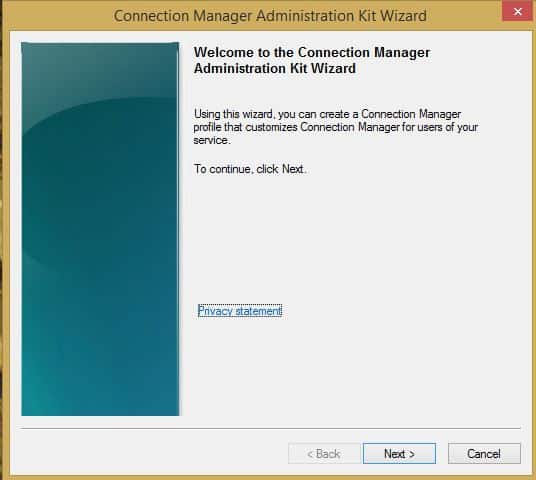
Connection Manager Administration Kit (CMAK)
Learn about Microsoft’s Connection Manager Administration Kit (CMAK)—a customizable network connectivity solution for remote access and VPNs.
-
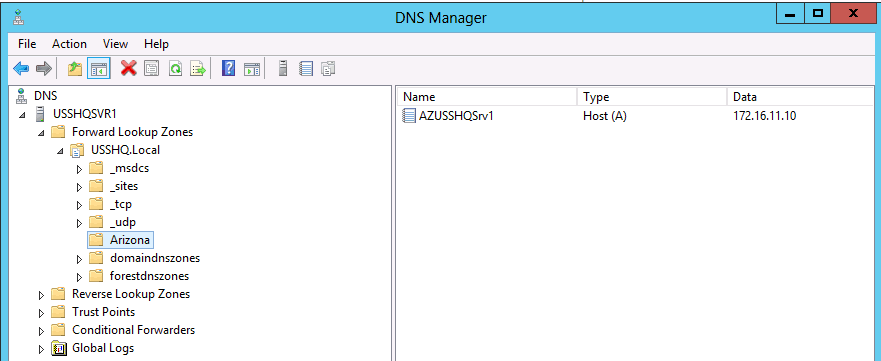
Child Domain
Child Domain is a domain in a domain tree in Microsoft Windows Server whose Domain Name System (DNS) name is a subdomain of a parent domain.
-

Understanding the CHAP Protocol: Challenge Handshake Authentication Protocol
Challenge Handshake Authentication Protocol, or CHAP, is an encrypted authentication scheme in which the unencrypted password is not transmitted over the network.
-
Carrierless Amplitude and Phase Modulation (CAP)
Carrierless Amplitude and Phase Modulation is a line coding scheme in which data is modulated using a single carrier frequency for transmission over a phone line.
-

Built-in user account in Windows OS
Unlock the essentials of built-in user accounts in Windows OS, integral to system setup, management, and security, created during installation.
-
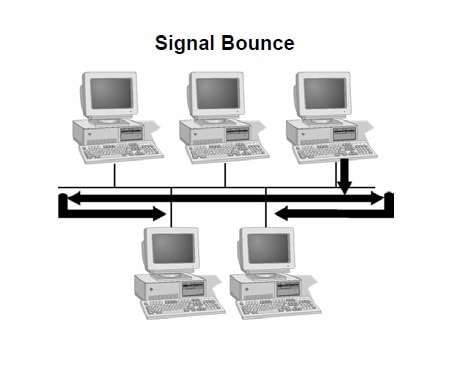
Signal Bounce in Computer Networking: What You Need to Know
Discover the multifaceted world of Signal Bounce, a phenomenon that can drastically impact data integrity and network performance. Learn how to diagnose and mitigate this issue across various industries, from data centers to healthcare systems. This comprehensive guide is your roadmap to understanding Signal Bounce.
-
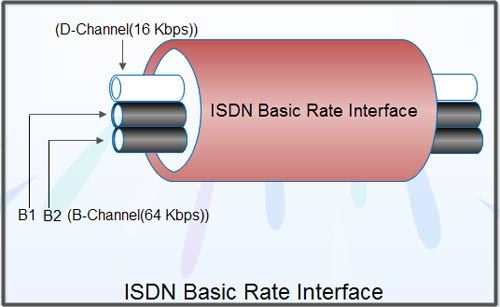
BRI-ISDN: Unpacking the Basic Rate Interface in ISDN Systems
Explore BRI-ISDN, the Basic Rate Interface for ISDN systems, a pivotal technology in telecommunications history, known for its 2B+D channel configuration.
-

Banyan VINES
VINES stands for Banyan Virtual Integrated Network Service, it was a network operating system (NOS) for building enterprise-level networks.
-
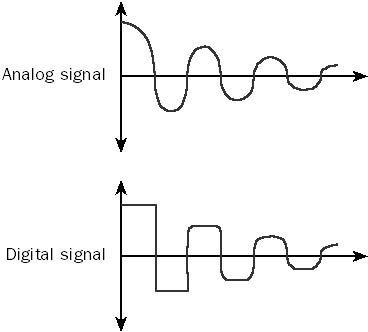
Attenuation in Computer Networking: Understanding Signal Loss
In this article, we will delve into the definition of attenuation, its measurement in decibels (dB), and its implications for different types of cabling media.
-
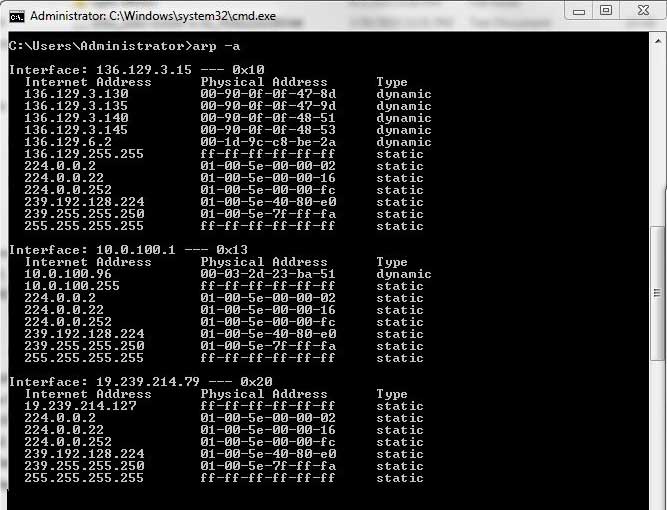
Arp Command
Master the ARP command to manage ARP cache, resolve IP addresses to MAC addresses, and optimize your network configurations. Comprehensive guide on why, how, and when to use the arp command.
-

Application Layer Proxy
Application Layer Proxies are essential tools in modern network architecture, offering deep packet inspection, enhanced security, and content filtering. From understanding its operations, benefits, drawbacks, and comparisons with packet filtering, this article provides an insightful look into the practical applications and setup of these proxies.
-
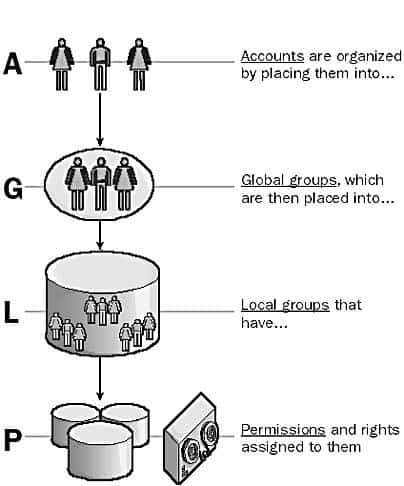
AGLP
Explore the essentials of AGDLP/AGUDLP principles in network administration for enhanced security and simplified user access control.