
The Editorial Team is a collective of technology enthusiasts, computer network engineers, and industry professionals dedicated to creating meticulously curated content for a diverse readership. With a combined experience spanning several decades, our team distills complex technology topics into clear, informative articles. Whether it’s networking fundamentals, cutting-edge AI insights, or in-depth guides on blockchain technology, the Editorial Team strives to provide reliable information that advances the understanding of technology for everyone from students to seasoned professionals.

Editorial Team’s mission
The Editorial Team’s mission extends beyond mere reporting; we aim to be the architects of understanding, constructing bridges over the rivers of jargon and complexity. From the foundational bricks of networking to the ever-evolving skies of cloud computing, we guide you through the technological labyrinth.
We take pride in our meticulous attention to detail and our unwavering commitment to accuracy, ensuring that each piece of information is a thread in the vast tapestry of technological knowledge. As we chart the course through the evolving landscape of technology, we invite our readers to join us on this exhilarating journey of discovery and growth. Together, we not only explore the current terrain of technology but also anticipate the horizons of tomorrow’s innovations.
Our Latest Articles
-
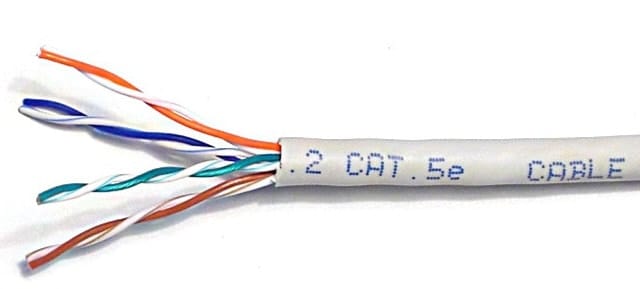
Enhanced Category 5 cabling
Enhanced Category 5 cabling, or CAT5E, is an informal cabling standard that some cable manufacturers use to refer to category 5 cabling that is capable of supporting transmission speeds faster than 100 Mbps.
-
EIA/TIA wiring standards
Uncover the essentials of EIA/TIA Wiring Standards, their role in shaping telecommunication networks, and how they define our digital connectivity.
-

Documents, documentation, tutorial
All the documentation needed for you to learn more about networking.
-

Domain Local Group in Windows Server
Domain Local Group is a type of group in a Microsoft Windows Server-based network.
-
DNS Database
DNS Database is the collection of database files, or zone files, and associated files that contain resource records for a domain.
-

DNS Client: Navigating the Digital Sea
DNS Client is a client machine configured to send name resolution queries to a DNS server. A DNS client is also called a resolver. When a client needs to resolve a remote host’s name into its IP address, it sends a request to the DNS server, which returns the IP address of the remote host.…
-
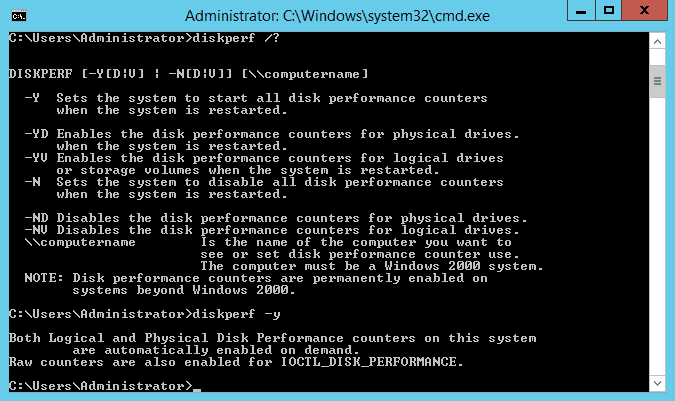
Diskperf Command
Learn about Diskperf, the essential command-line tool for enabling or disabling disk performance counters in Windows. Perfect for those who use Performance Monitor.
-
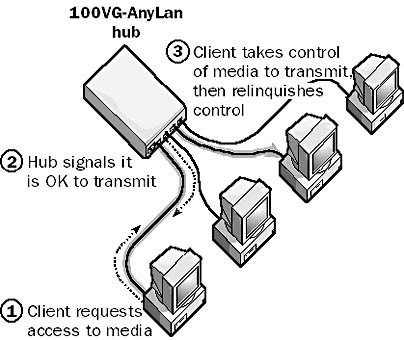
Demand Priority
Demand Priority is a media access control method for 100VG-AnyLan networks.
-
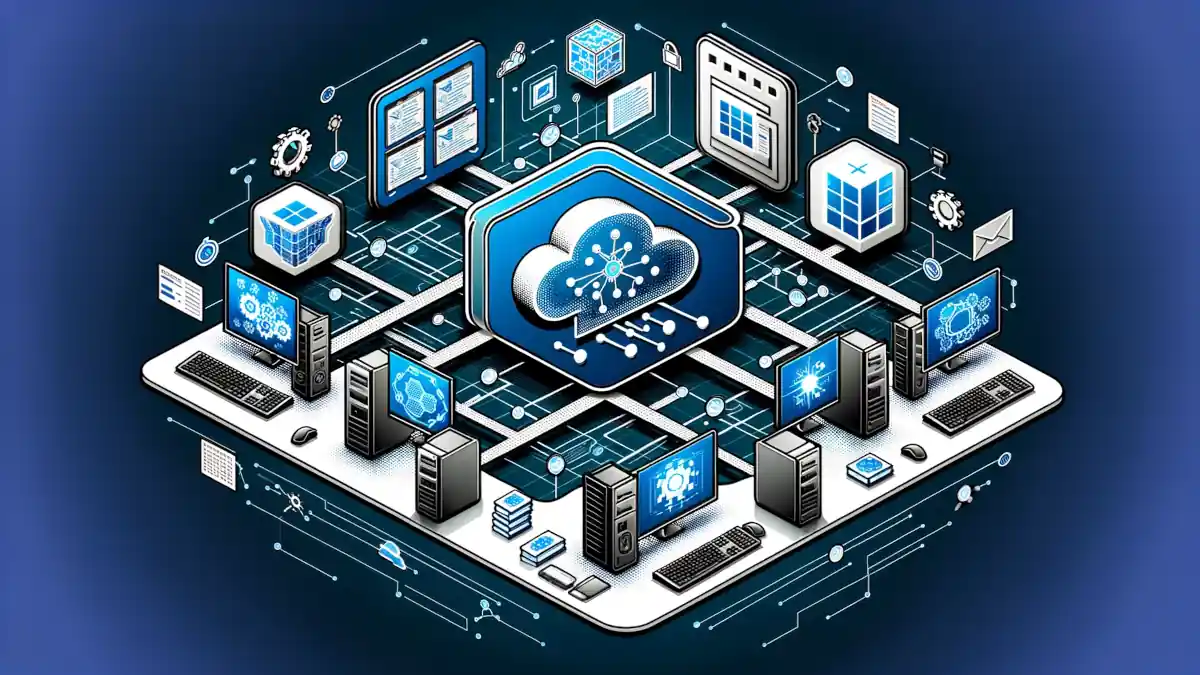
Distributed Component Object Model (DCOM): Architecture, Operation
This article aims to delve deeply into the intricacies of DCOM, illustrating how it facilitates distributed computing and its impact on software development.
-

Understanding Data Terminal Equipment: 7 Crucial Points
Discover the crucial aspects of Data Terminal Equipment (DTE) in this in-depth exploration. Understand its role in modern networking and why mastering DTE is essential for IT professionals.
-
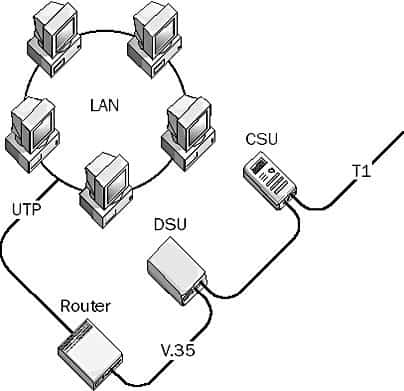
Data Service Unit (DSU)
DSU, or Data Service Unit, is a digital communication device that works with a Channel Service Unit (CSU) to connect a local area network (LAN) to an external communication carrier service.
-

Network Coupler
Discover everything you need to know about network couplers. From types like RJ-11 and RJ-45 to their advantages, disadvantages, and alternatives, this guide covers it all.