
The Editorial Team is a collective of technology enthusiasts, computer network engineers, and industry professionals dedicated to creating meticulously curated content for a diverse readership. With a combined experience spanning several decades, our team distills complex technology topics into clear, informative articles. Whether it’s networking fundamentals, cutting-edge AI insights, or in-depth guides on blockchain technology, the Editorial Team strives to provide reliable information that advances the understanding of technology for everyone from students to seasoned professionals.

Editorial Team’s mission
The Editorial Team’s mission extends beyond mere reporting; we aim to be the architects of understanding, constructing bridges over the rivers of jargon and complexity. From the foundational bricks of networking to the ever-evolving skies of cloud computing, we guide you through the technological labyrinth.
We take pride in our meticulous attention to detail and our unwavering commitment to accuracy, ensuring that each piece of information is a thread in the vast tapestry of technological knowledge. As we chart the course through the evolving landscape of technology, we invite our readers to join us on this exhilarating journey of discovery and growth. Together, we not only explore the current terrain of technology but also anticipate the horizons of tomorrow’s innovations.
Our Latest Articles
-
Host Name Resolution
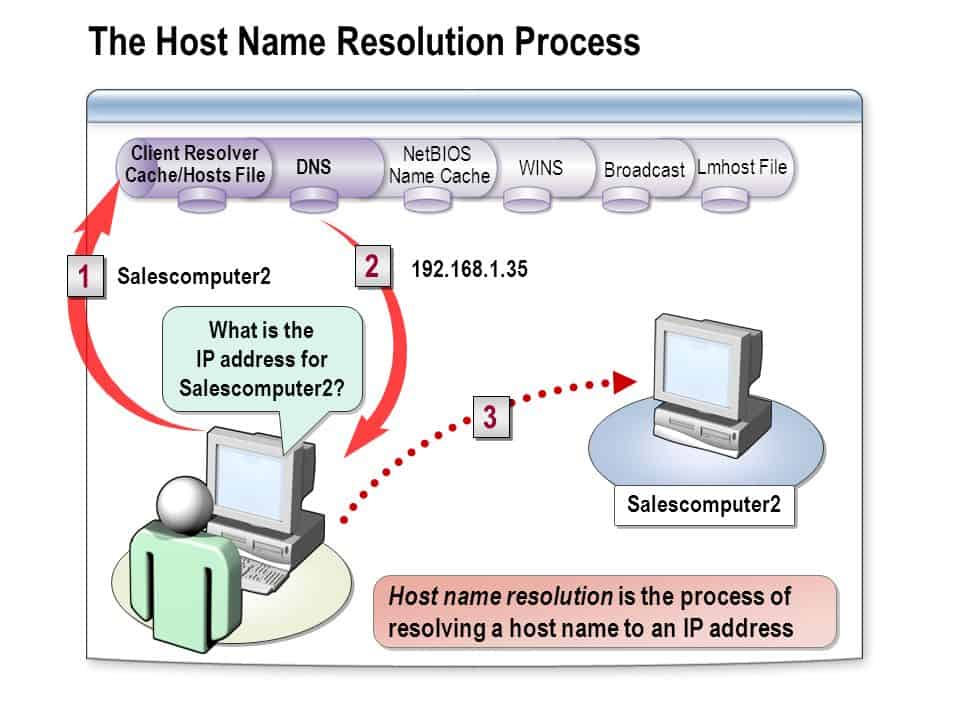
Host Name Resolution is the process by which a host determines the IP address of another host given its host name or fully qualified domain name (FQDN) on a TCP/IP network.
-
HOST ID
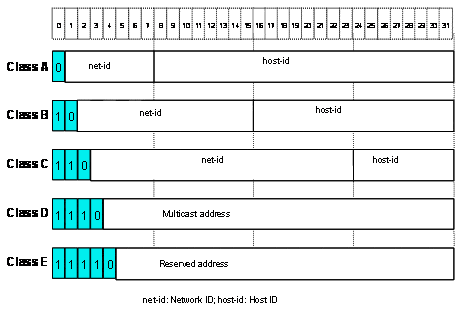
Master the concept of Host ID in IP addressing. Learn how to calculate it using NANDing with the subnet mask and understand its role in network identification.
-
Homogeneous Network
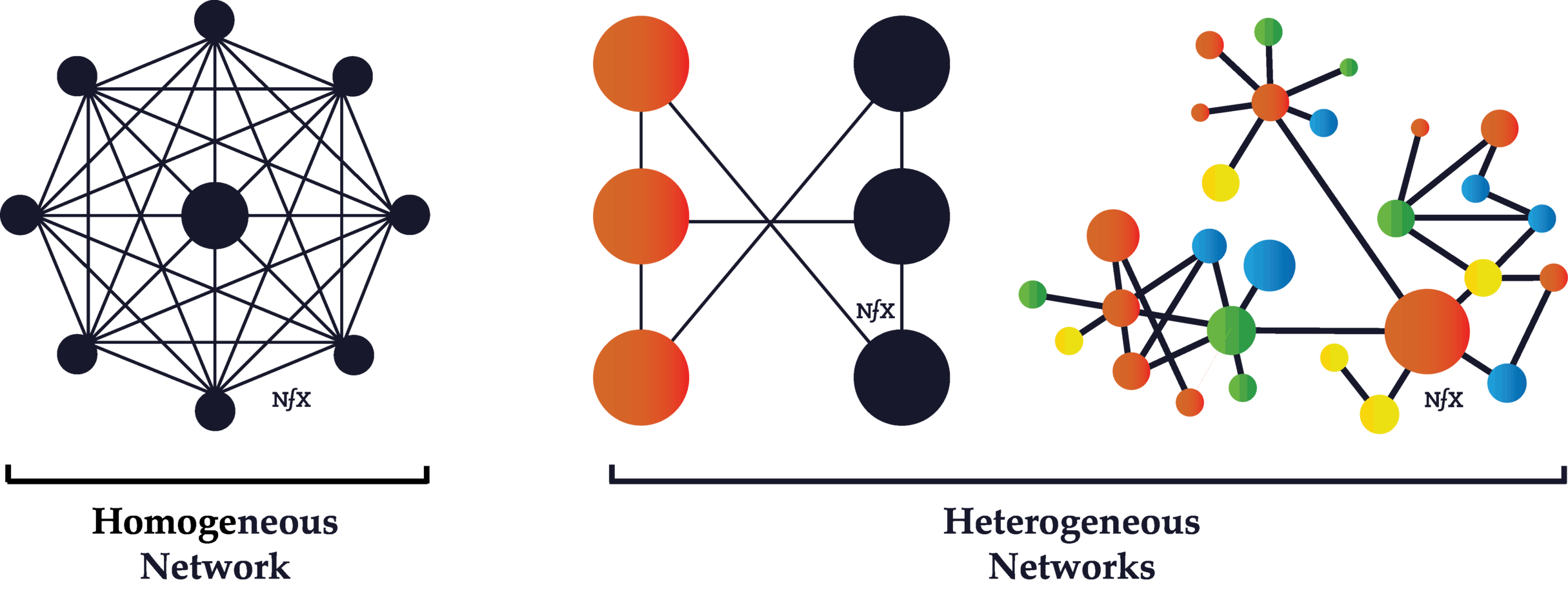
Explore what a Homogeneous Network is, its differences from Heterogeneous Networks, and its impact on network management and performance.
-
High-level Data Link Control (HDLC)
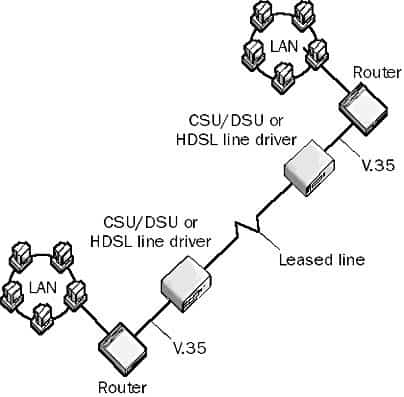
HDLC, or High-level Data Link Control, is a standard synchronous communication protocol at the data-link layer of the Open Systems Interconnection reference model that is used for wide area network synchronous serial connections over leased lines.
-

Hardware Compatibility List (HCL)
This article aims to explore the broader scope of hardware compatibility, examining how different operating systems, from Windows to Linux and macOS, manage hardware compatibility.
-
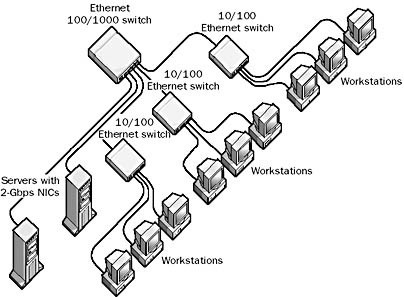
Gigabit Ethernet
Gigabit Ethernet is a type of Ethernet that allows the transmission of data at 1 Gbps (or 1000 Mbps) over both fiber-optic cabling and copper twisted-pair cabling.
-
Full-Duplex Ethernet: Doubling Network Efficacy
Full-Duplex Ethernet is an emerging type of Ethernet that supports full-duplex communication between stations on the network.
-
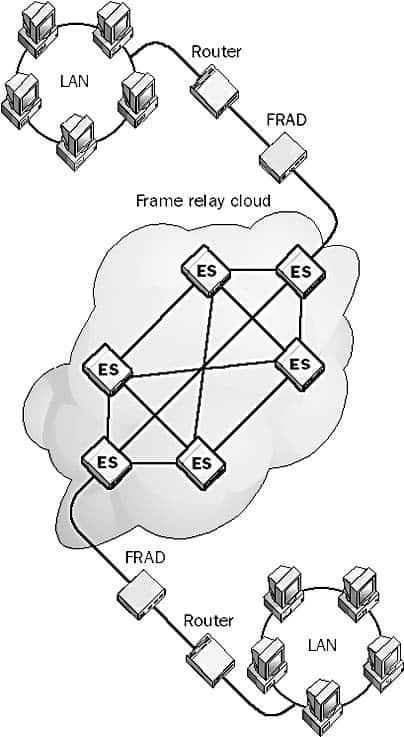
Frame Relay
Frame Relay is a packet-switching technology offered as a telecommunications service by telcos and long-distance carriers, used primarily for WAN links.
-
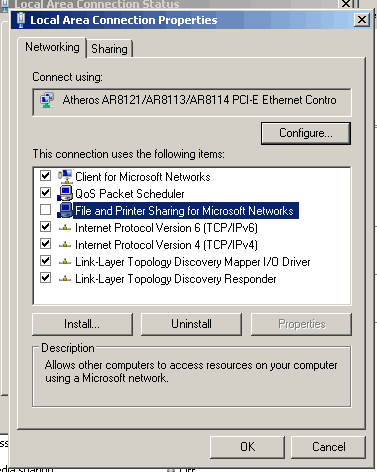
File and Printer Sharing for Microsoft Networks
Unlock the intricacies of File and Printer Sharing for Microsoft Networks. Learn how it functions, the underlying protocols, and how to optimize this indispensable feature.
-

Fiber Optic Cabling
Fiber-Optic cabling is a glass cabling media that sends network signals using light.
-
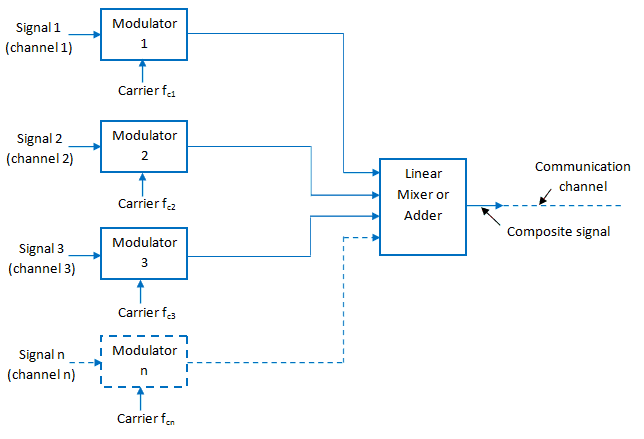
Frequency-Division Multiplexing (FDM)
Explore the intricacies of Frequency-Division Multiplexing (FDM) in computer networking. Learn how FDM evolved and how it compares to other multiplexing techniques.
-
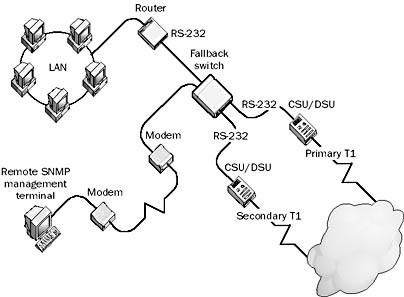
Fallback Switch
Fallback Switch is a class of switches used to provide failover support for critical network communication lines. Fallback switches are an essential component of a fault tolerant network system with resources that must have a high availability.