
The Editorial Team is a collective of technology enthusiasts, computer network engineers, and industry professionals dedicated to creating meticulously curated content for a diverse readership. With a combined experience spanning several decades, our team distills complex technology topics into clear, informative articles. Whether it’s networking fundamentals, cutting-edge AI insights, or in-depth guides on blockchain technology, the Editorial Team strives to provide reliable information that advances the understanding of technology for everyone from students to seasoned professionals.

Editorial Team’s mission
The Editorial Team’s mission extends beyond mere reporting; we aim to be the architects of understanding, constructing bridges over the rivers of jargon and complexity. From the foundational bricks of networking to the ever-evolving skies of cloud computing, we guide you through the technological labyrinth.
We take pride in our meticulous attention to detail and our unwavering commitment to accuracy, ensuring that each piece of information is a thread in the vast tapestry of technological knowledge. As we chart the course through the evolving landscape of technology, we invite our readers to join us on this exhilarating journey of discovery and growth. Together, we not only explore the current terrain of technology but also anticipate the horizons of tomorrow’s innovations.
Our Latest Articles
-
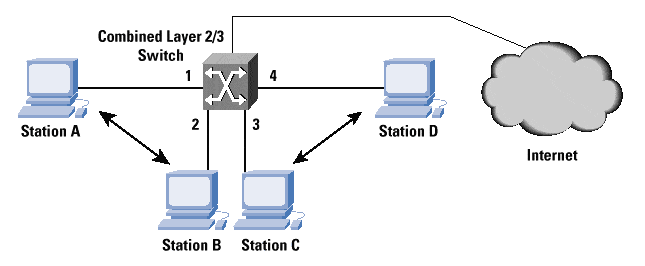
Layer 3 Switch
Layer 3 switch is an Ethernet switch that switches packets by looking at both their network address (for example, their IP or IPX address) and their physical address (for example, their MAC address).
-

Layer 2 Forwarding (L2F)
L2F stands for Layer 2 Forwarding, is a media-independent tunneling protocol developed by Cisco Systems.
-
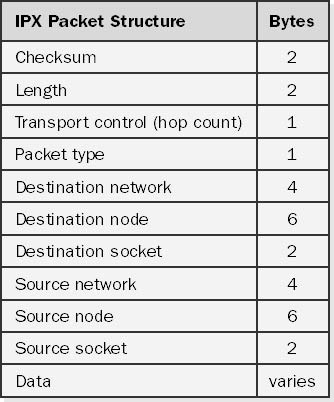
Internetwork Packet Exchange (IPX)
IPX is a Novell NetWare protocol used for routing packets from one network node to another throughout an internetwork.
-
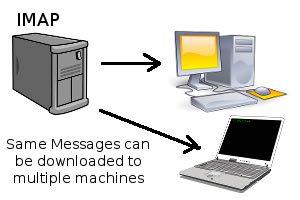
Internet Mail Access Protocol version 4 (IMAP4)
IMAP4 stands for Internet Mail Access Protocol version 4, is an Internet standard protocol for storing and retrieving messages from Simple Mail Transfer Protocol (SMTP) hosts.
-
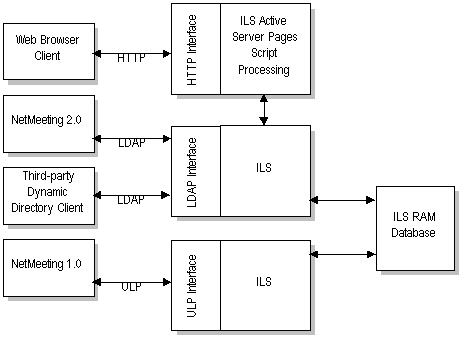
Internet Locator Service (ILS)
Explore the origins and functions of Internet Locator Service (ILS), the LDAP-based directory service once pivotal in Microsoft NetMeeting.
-
Internet Group Management Protocol (IGMP)
IGMP stands for Internet Group Management Protocol, is a TCP/IP network layer protocol used for informing routers of the availability of multicast groups on the network.
-
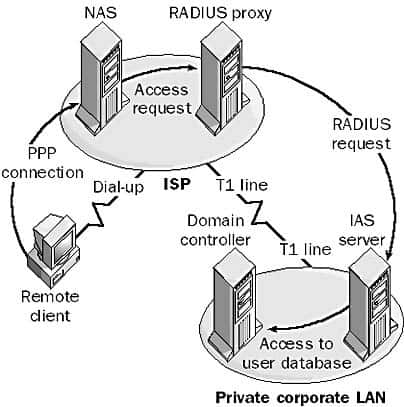
Internet Authentication Service (IAS)
IAS is a service included with Internet Connection Services for Microsoft Remote Access Service (RAS) that ships with Microsoft Windows NT 4.0 Option Pack and Microsoft Windows 2000.
-

Intermediary Device
Discover the pivotal role of intermediary devices in computer networks – key to facilitating effective and efficient data communication.
-
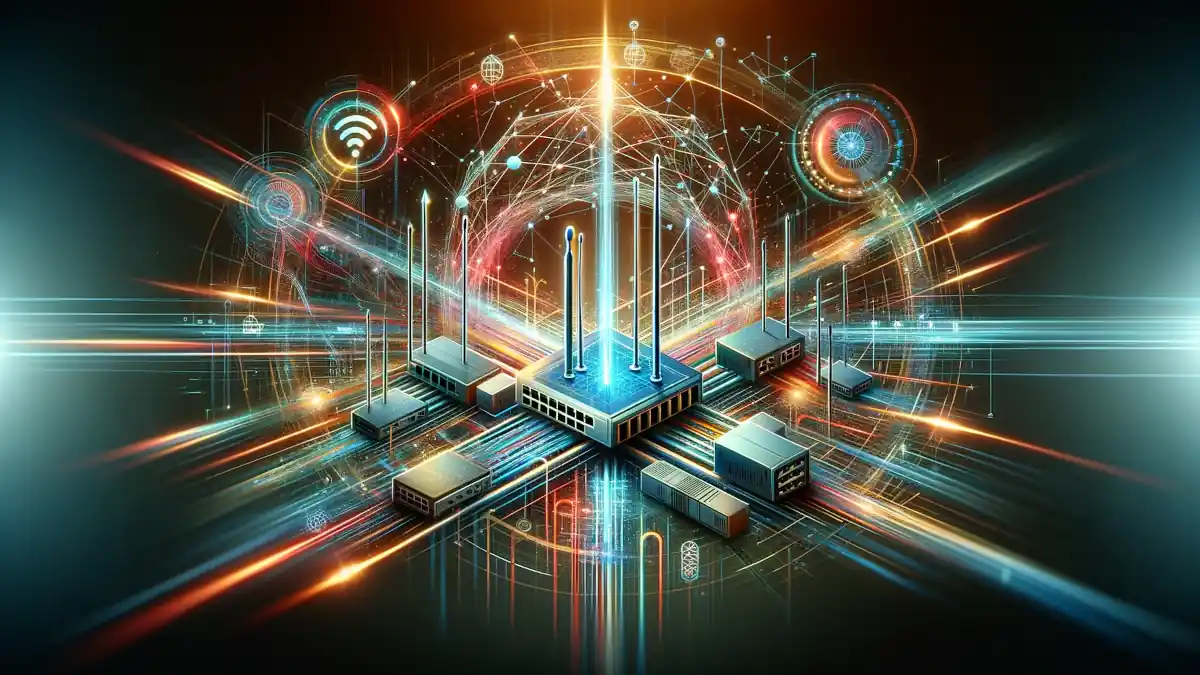
Interior Gateway Protocol (IGP)
Explore the essentials of Interior Gateway Protocol (IGP), its types, and applications in efficient network routing.
-
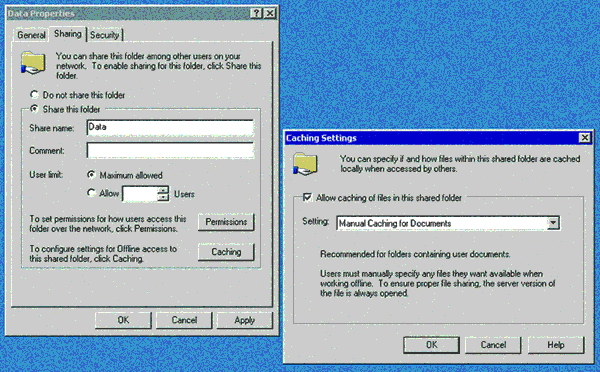
IntelliMirror: Exploring the Legacy of Microsoft’s User Data Management System
Dive into the history of IntelliMirror, Microsoft’s innovative technology for managing and synchronizing user data and settings in networks.
-
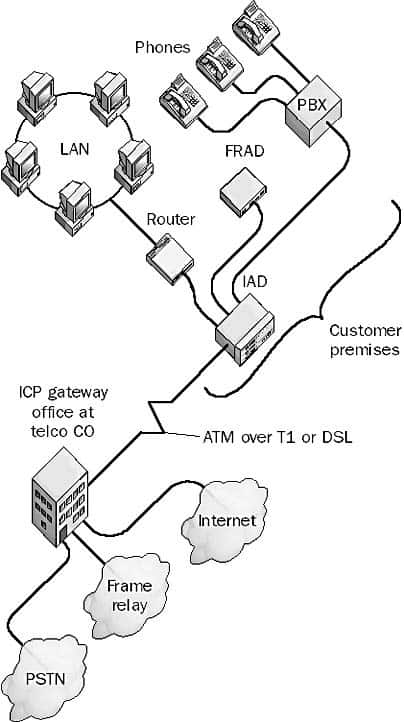
Integrated Communications Provider (ICP)
ICP stands for Integrated Communications Provider, is a telecommunications service provider that offers one-stop shopping for voice and data telecommunications through a single integrated architecture.
-

Infrared Transmission
Explore the depths of infrared transmission: its inception, evolution, and how it powers today’s tech.