
The Editorial Team is a collective of technology enthusiasts, computer network engineers, and industry professionals dedicated to creating meticulously curated content for a diverse readership. With a combined experience spanning several decades, our team distills complex technology topics into clear, informative articles. Whether it’s networking fundamentals, cutting-edge AI insights, or in-depth guides on blockchain technology, the Editorial Team strives to provide reliable information that advances the understanding of technology for everyone from students to seasoned professionals.

Editorial Team’s mission
The Editorial Team’s mission extends beyond mere reporting; we aim to be the architects of understanding, constructing bridges over the rivers of jargon and complexity. From the foundational bricks of networking to the ever-evolving skies of cloud computing, we guide you through the technological labyrinth.
We take pride in our meticulous attention to detail and our unwavering commitment to accuracy, ensuring that each piece of information is a thread in the vast tapestry of technological knowledge. As we chart the course through the evolving landscape of technology, we invite our readers to join us on this exhilarating journey of discovery and growth. Together, we not only explore the current terrain of technology but also anticipate the horizons of tomorrow’s innovations.
Our Latest Articles
-
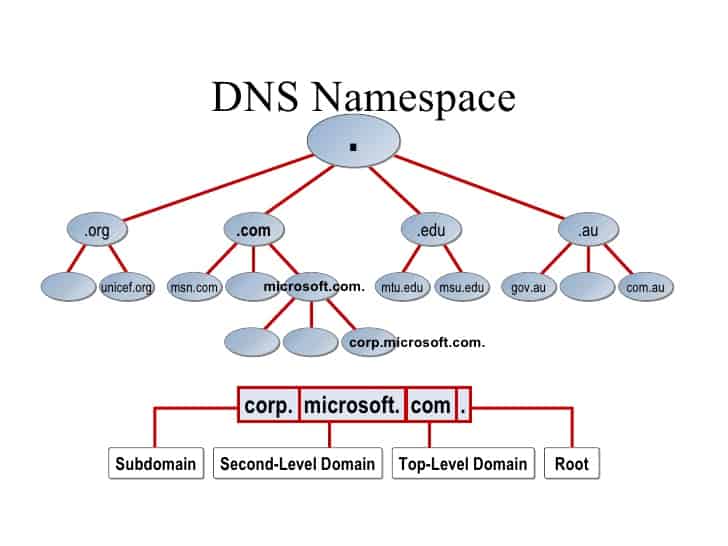
Namespace
Namespace is the abstract space or collection of all possible addresses, names, or identifiers of objects on a network, internetwork, or the Internet.
-
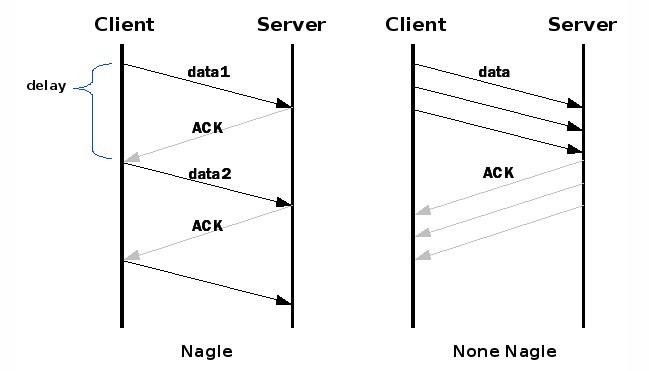
Nagle’s Algorithm: The Network’s Silent Maestro
Nagle’s algorithm is an algorithm used in implementations of TCP/IP that controls traffic congestion on a network.
-
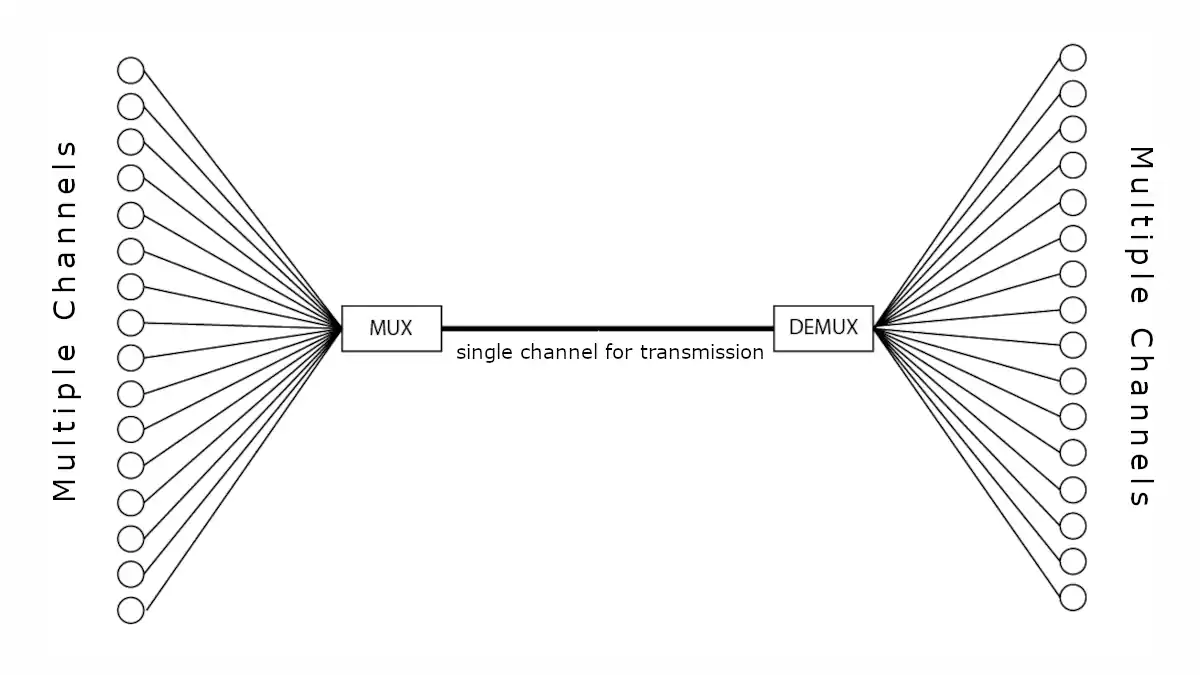
Multiplexing
Your ultimate source for understanding Multiplexing. From frequency-division to code-division, learn how it’s used in areas you’d never expect.
-
Microsoft Systems Management Server (SMS)
Definition of Microsoft Systems Management Server (SMS) in Network Encyclopedia. What is Microsoft Systems Management Server (SMS)? SMS is a Microsoft BackOffice application for managing an organization’s networked computers. Microsoft Systems Management Server (SMS) lets network administrators: Manage their hardware and software assets Distribute new software from a central location Manage shared applications loaded from…
-

Media-Dependent Adapter (MDA): Modular Networking
MDA (Media-Dependent Adapter) is a module that can be inserted into a modular Ethernet switch to provide connectivity between different media types.
-
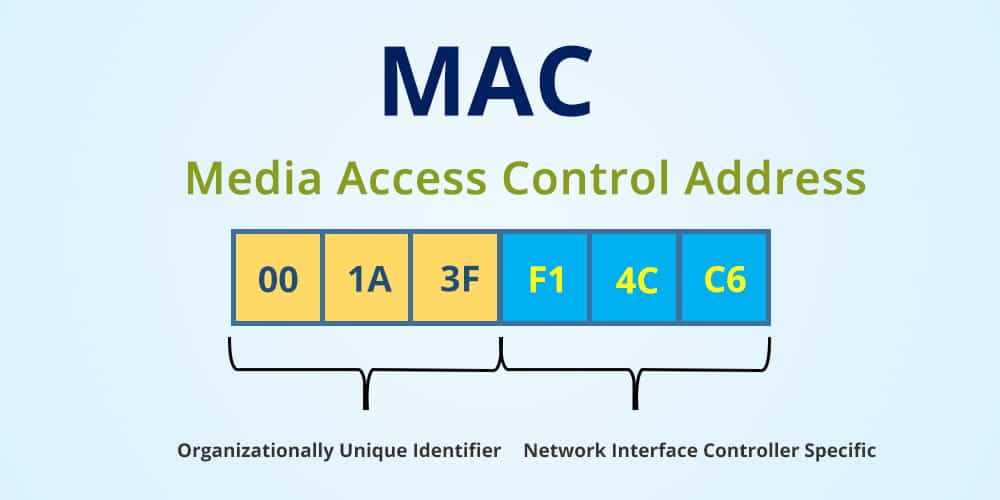
MAC Address
MAC Address is a unique 6-byte (48-bit) address that is usually permanently burned into a network interface card (NIC) or other physical-layer networking device and that uniquely identifies the device on an Ethernet-based network.
-

Local Security Authority (LSA)
LSA (Local Security Authority) is the central component of the security subsystem in the Microsoft Windows operating system.
-
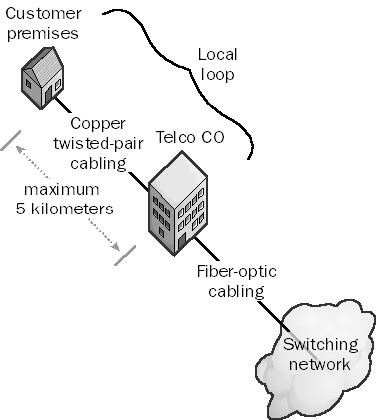
Local Loop
Local Loop is the portion of the telephone system that connects your home or office to the nearest central office (CO) of your local telco.
-
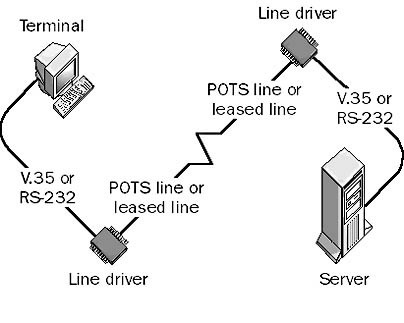
Line Driver
Line Driver is a device that can use installed twisted-pair phone lines or leased lines to connect terminals to servers in different parts of a building or in different buildings.
-

Line Coding
Line Coding is a method of placing digital signals on a wire.
-
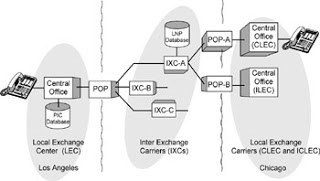
Local Exchange Carrier (LEC)
LEC stands for Local Exchange Carrier, is a telco in the United States that provides local telephone and telecommunication services to businesses and individuals.
-

Link Control Protocol (LCP): Mastering PPP Link Management
Uncover the essentials of Link Control Protocol (LCP), a crucial subprotocol of PPP for effective network link management.