
The Editorial Team is a collective of technology enthusiasts, computer network engineers, and industry professionals dedicated to creating meticulously curated content for a diverse readership. With a combined experience spanning several decades, our team distills complex technology topics into clear, informative articles. Whether it’s networking fundamentals, cutting-edge AI insights, or in-depth guides on blockchain technology, the Editorial Team strives to provide reliable information that advances the understanding of technology for everyone from students to seasoned professionals.

Editorial Team’s mission
The Editorial Team’s mission extends beyond mere reporting; we aim to be the architects of understanding, constructing bridges over the rivers of jargon and complexity. From the foundational bricks of networking to the ever-evolving skies of cloud computing, we guide you through the technological labyrinth.
We take pride in our meticulous attention to detail and our unwavering commitment to accuracy, ensuring that each piece of information is a thread in the vast tapestry of technological knowledge. As we chart the course through the evolving landscape of technology, we invite our readers to join us on this exhilarating journey of discovery and growth. Together, we not only explore the current terrain of technology but also anticipate the horizons of tomorrow’s innovations.
Our Latest Articles
-
Quality of Service (QoS)
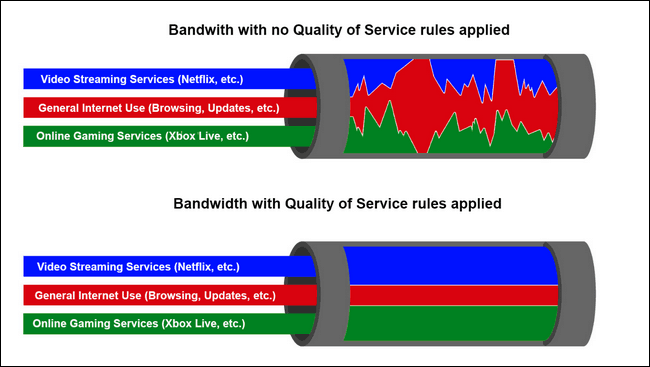
QoS is any networking technology that has predictable latency and data loss.
-
Project 802
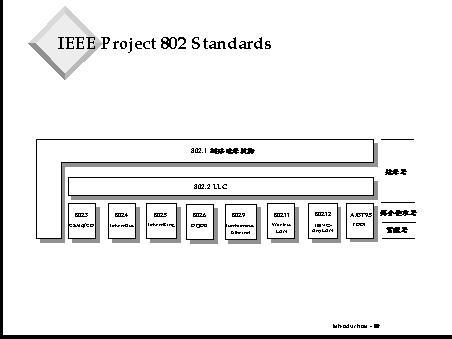
Dive into Project 802—an IEEE initiative defining LAN and WAN technologies. Explore its major subsections like 802.1 to 802.14, covering everything from Ethernet to network security.
-
PRI-ISDN: Primary Rate Interface ISDN
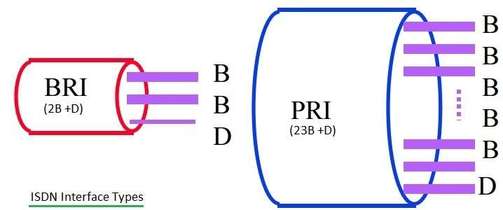
Explore the legacy of PRI-ISDN: a once-dominant ISDN framework for digital communication, now overtaken by modern telecommunication technologies.
-

Permanent Virtual Circuit (PVC)
Permanent Virtual Circuit is a form of telecommunications service for wide area networks (WANs) that provides a dedicated switched circuit between two nodes in a circuit-switched network.
-

Pass-Through Authentication
Pass-Through Authentication is a method of performing authentication to a domain controller that resides in a trusted domain.
-
Parent Domain
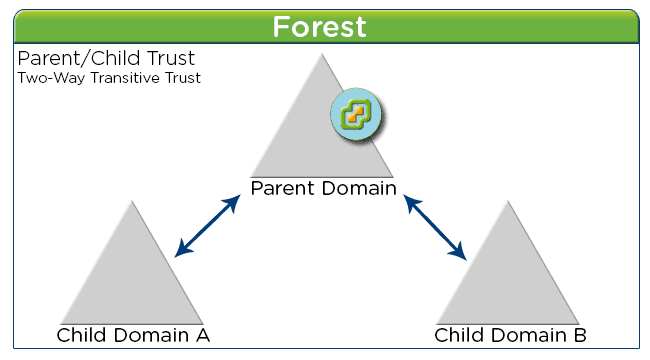
Parent Domain is a domain in a Microsoft Windows Server domain tree whose Domain Name System (DNS) name forms the basis of subdomains called child domains.
-
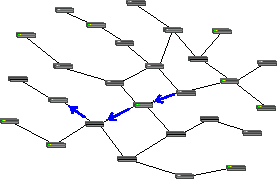
Packet Forwarding
Packet Forwarding is the process of a networking component accepting a packet and transmitting it to its destination.
-
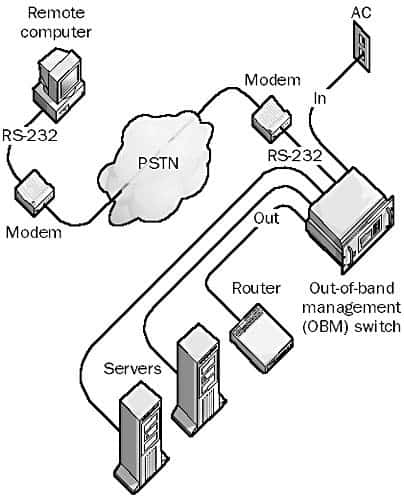
Out-of-Band Management (OBM)
OBM stands for Out-of-Band Management, is a method of remotely managing the wide area network (WAN) telecommunications components of your network by using a secondary serial communication link.
-

Organizational Unit (OU)
Organizational Unit is a type of container object in Active Directory of Microsoft Windows 2000 that can contain other Active Directory objects.
-
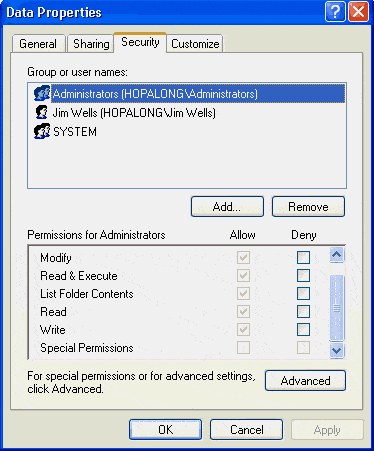
NTFS special permissions (Windows NT)
NTFS Special Permissions are individual permissions granted or denied when NTFS file system standard permissions are not sufficiently granular for specific security purposes.
-
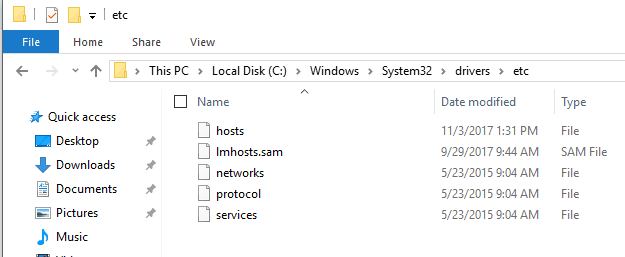
The Networks File: A Relic of Past Networking
Discover the legacy of the Networks File in Windows systems. Learn how it worked, how it differs from Hosts and lmhosts files, and why it’s obsolete.
-
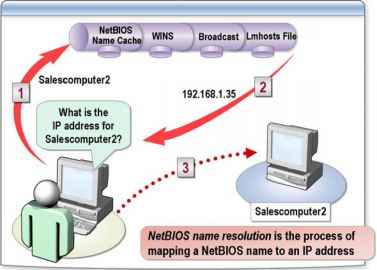
NetBIOS name resolution
NetBIOS Name Resolution is the process by which the NetBIOS name of a computer is resolved to its IP address.