
The Editorial Team is a collective of technology enthusiasts, computer network engineers, and industry professionals dedicated to creating meticulously curated content for a diverse readership. With a combined experience spanning several decades, our team distills complex technology topics into clear, informative articles. Whether it’s networking fundamentals, cutting-edge AI insights, or in-depth guides on blockchain technology, the Editorial Team strives to provide reliable information that advances the understanding of technology for everyone from students to seasoned professionals.

Editorial Team’s mission
The Editorial Team’s mission extends beyond mere reporting; we aim to be the architects of understanding, constructing bridges over the rivers of jargon and complexity. From the foundational bricks of networking to the ever-evolving skies of cloud computing, we guide you through the technological labyrinth.
We take pride in our meticulous attention to detail and our unwavering commitment to accuracy, ensuring that each piece of information is a thread in the vast tapestry of technological knowledge. As we chart the course through the evolving landscape of technology, we invite our readers to join us on this exhilarating journey of discovery and growth. Together, we not only explore the current terrain of technology but also anticipate the horizons of tomorrow’s innovations.
Our Latest Articles
-
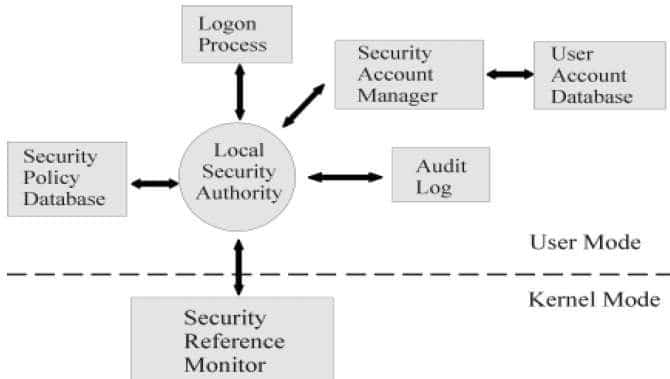
Security Reference Monitor
Explore the evolution of Security Reference Monitor in Windows OS. From its role in Windows NT to modern versions, learn how SRM enforces security
-

SATAN Tool: Security Administrator Tool for Analyzing Networks
SATAN is a free tool developed by Dan Farmer and Wietse Venema in 1995 for remotely analyzing the security of networks.
-

Internet Engineering Task Force (IETF)
Definition of Internet Engineering Task Force (IETF) in Network Encyclopedia. What is IETF (Internet Engineering Task Force)? IETF (Internet Engineering Task Force) is an international community of networking engineers, network administrators, researchers, and vendors whose goal is to ensure the smooth operation and evolution of the Internet. The Internet Engineering Task Force (IETF) receives its…
-
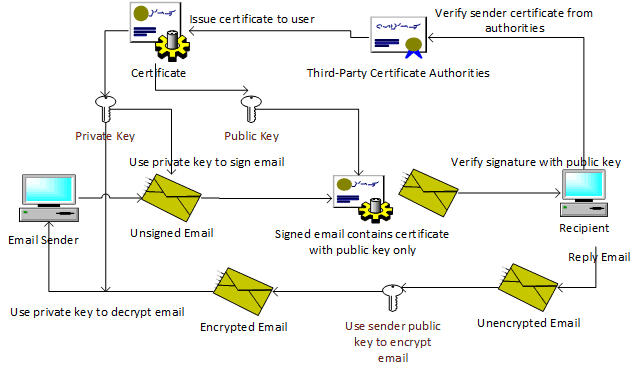
Secure/Multipurpose Internet Mail Extensions (S/MIME)
S/MIME is an extension of the widely implemented Multipurpose Internet Mail Extensions (MIME) encoding standard, which defines how the body portion of an SMTP message is structured and formatted.
-

Security Account Manager: SAM Database
SAM Database is the database of user and group account information stored on a domain controller in a Microsoft Windows Server-based network.
-

Request for Comments (RFC)
RFC (stands for Request For Comments) is a document that describes the standards, protocols, and technologies of the Internet and TCP/IP.
-
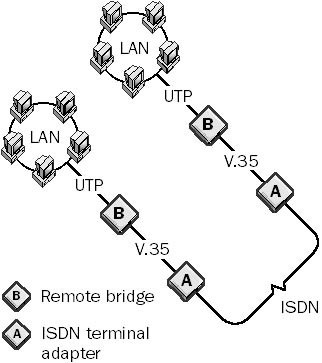
Remote Bridge: Bridging the Gap in Computer Networking
Discover the fundamentals of a Remote Bridge in computer networking, a vital technology for connecting geographically separated networks effectively.
-
Remote Access Service (RAS)
Definition of Remote Access Service (RAS) in Network Encyclopedia. What is Remote Access Service (RAS)? RAS (Remote Access Service) is an optional Microsoft Windows OS Family networking service that provides remote access for remote clients. A machine running Windows on which Remote Access Service (RAS) is installed is called a RAS server. How It Works…
-
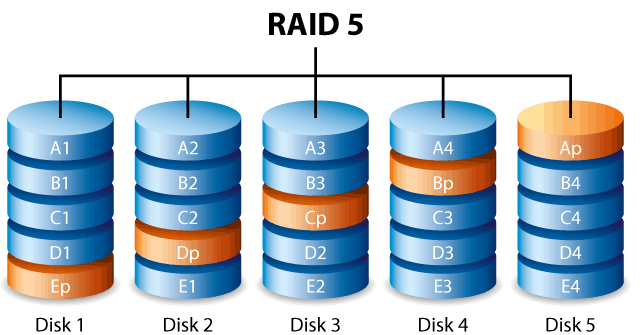
Raid 5 – Implementing disk striping with parity
Guide to help you implement RAID 5 (striping with parity) on Windows Server.
-
Raid 1 – Implementing Mirror Disk on a server
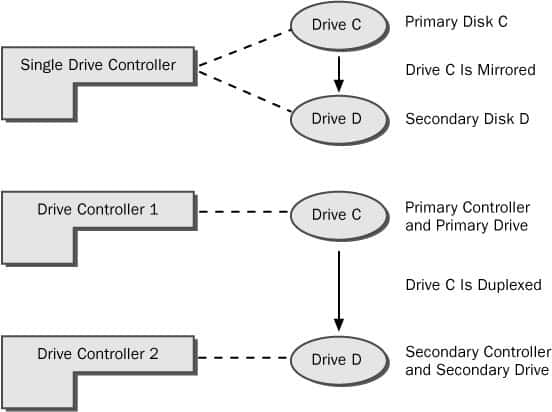
Guide to help you implement RAID 1 (Mirror Disk) on Windows Server.
-
Raid 0 – Implementing disk striping
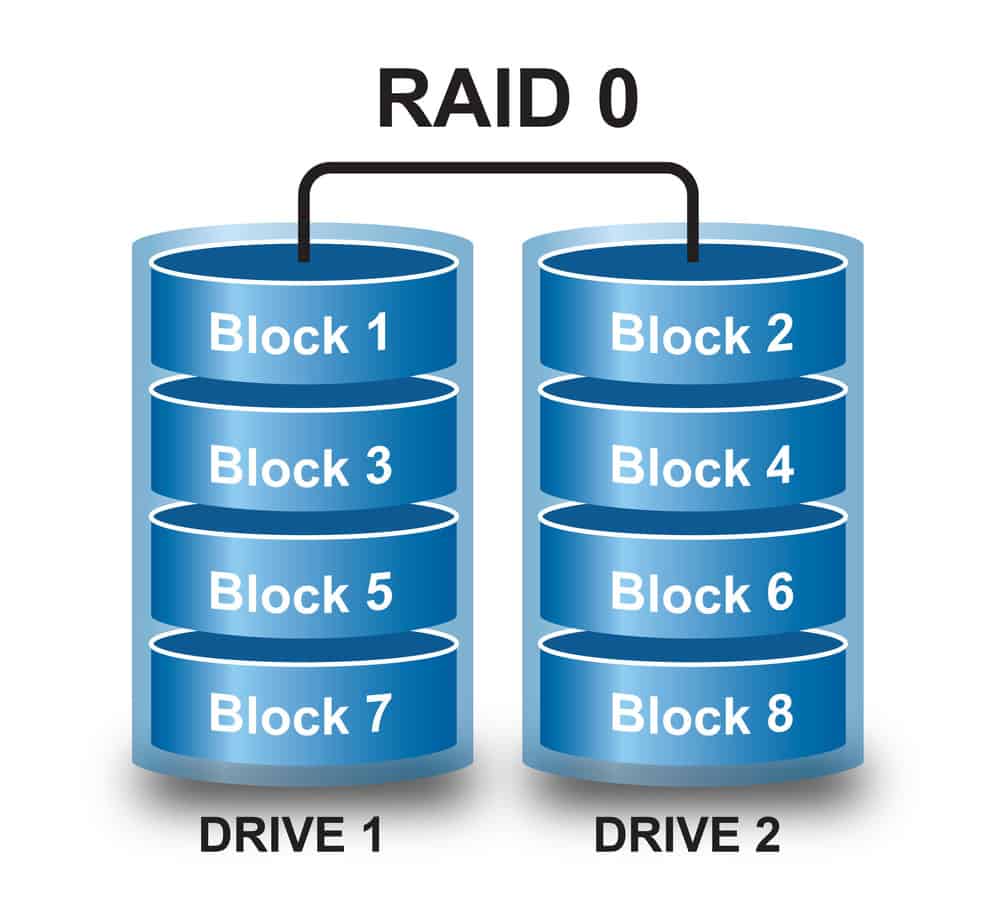
Guide to help you implementing RAID 0 on Windows Server.
-
RAID
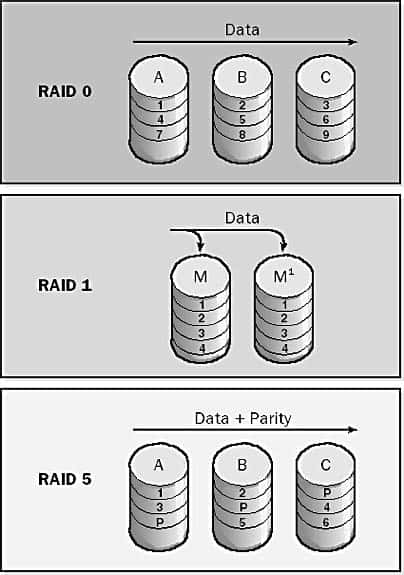
RAID stands for redundant array of independent disks, is a technology for implementing fault-tolerance on a disk subsystem by using data redundancy, either using software or using a separate hardware RAID storage unit.