
The Editorial Team is a collective of technology enthusiasts, computer network engineers, and industry professionals dedicated to creating meticulously curated content for a diverse readership. With a combined experience spanning several decades, our team distills complex technology topics into clear, informative articles. Whether it’s networking fundamentals, cutting-edge AI insights, or in-depth guides on blockchain technology, the Editorial Team strives to provide reliable information that advances the understanding of technology for everyone from students to seasoned professionals.

Editorial Team’s mission
The Editorial Team’s mission extends beyond mere reporting; we aim to be the architects of understanding, constructing bridges over the rivers of jargon and complexity. From the foundational bricks of networking to the ever-evolving skies of cloud computing, we guide you through the technological labyrinth.
We take pride in our meticulous attention to detail and our unwavering commitment to accuracy, ensuring that each piece of information is a thread in the vast tapestry of technological knowledge. As we chart the course through the evolving landscape of technology, we invite our readers to join us on this exhilarating journey of discovery and growth. Together, we not only explore the current terrain of technology but also anticipate the horizons of tomorrow’s innovations.
Our Latest Articles
-

Wiring Closet
Wiring closet is also called an equipment room or server room (and various other names). It is a room on the floor of a building that contains hubs, switches, and other network components.
-
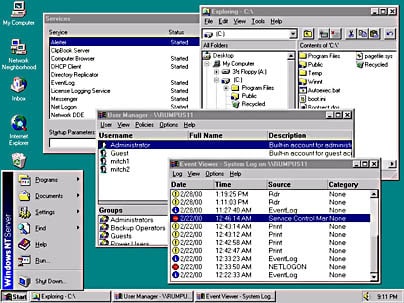
Windows NT
Windows NT was Microsoft’s most popular operating system for all types of networks ranging from workgroups to enterprise-level installations.
-
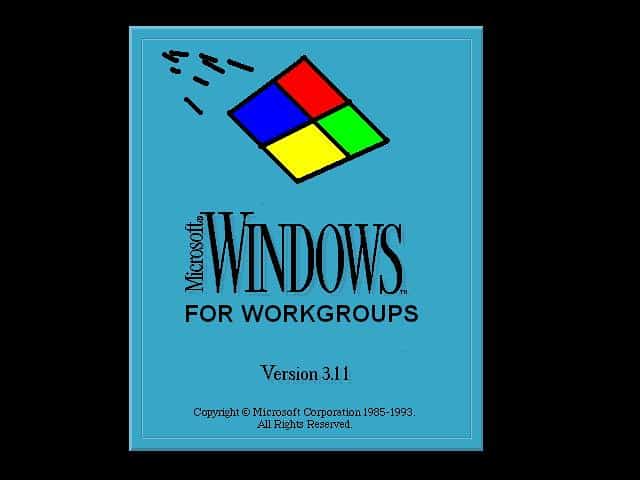
Windows for Workgroups 3.11
Windows for Workgroups 3.11 was a version of Microsoft Windows 3.1 released in 1994 that includes integrated networking components.
-
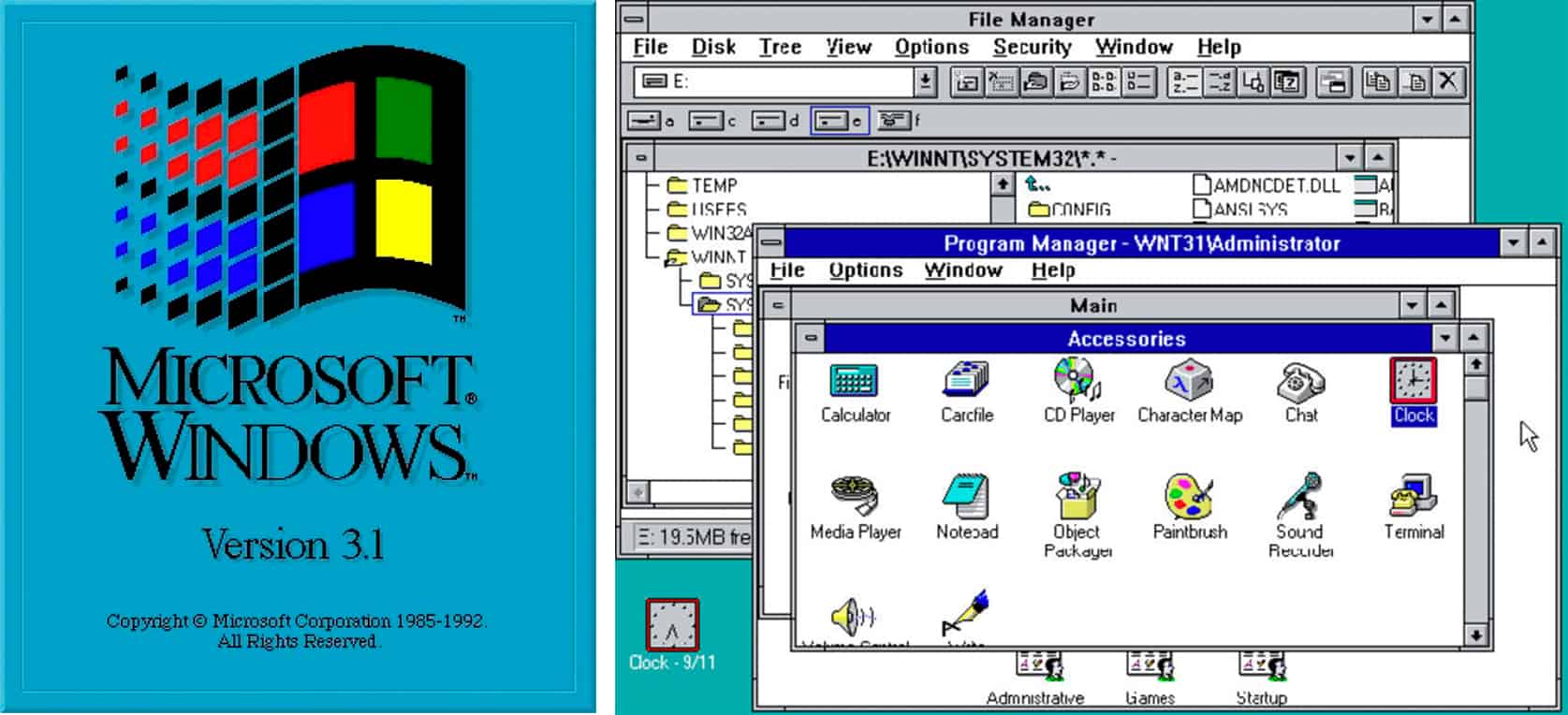
Windows 3.1
Windows 3.1 is the GUI-based operating system from Microsoft that made personal computers easier and more fun to use.
-
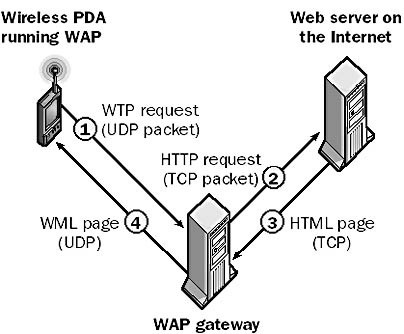
Wireless Application Protocol (WAP)
Wireless Application Protocol, or WAP, is a set of technologies developed by a consortium of mobile telephony equipment vendors that is designed to bring Web content to wireless handheld communication devices such as Personal Digital Assistants (PDAs) and mobile phones.
-
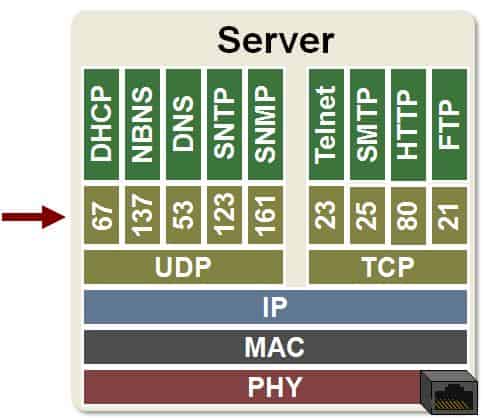
Well-Known Port Numbers
Well-known port numbers are port numbers for Transmission Control Protocol (TCP) or User Datagram Protocol (UDP) that have been assigned to specific TCP/IP applications or services by the Internet Assigned Numbers Authority (IANA).
-

Decoding Update Sequence Numbers (USN): The Backbone of Data Integrity
An Update Sequence Number (USN) is a system used primarily within computer storage and database management to track changes or updates made to a file system or database records.
-

Trust Relationship
Definition of TRUST RELATIONSHIP in Network Encyclopedia. What is Trust Relationship (in computer networking)? Trust relationship is a secure communication channel between two domains in Microsoft Windows Server Operating Systems. Trust relationships allow users in one domain to access resources in another domain. Trusts work by having one domain trust the authority of the other…
-
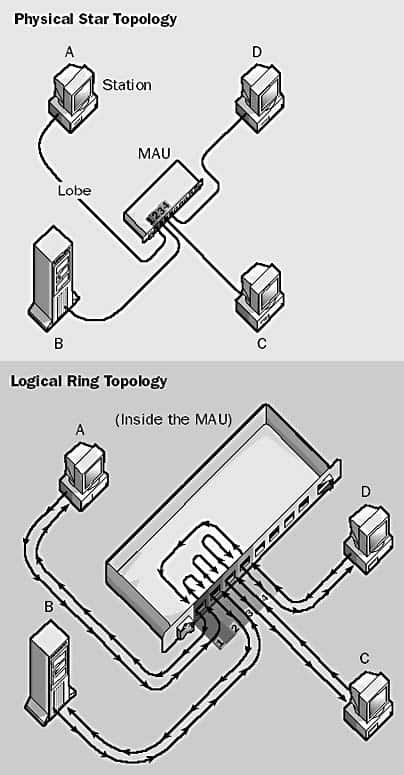
Token Ring
Token Ring is a popular local area network (LAN) technology developed by IBM that still has a large installed base in many shops but has been greatly outpaced in recent years by different forms of Ethernet.
-
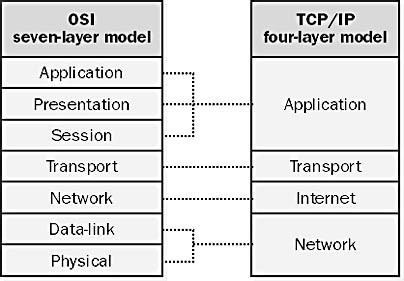
TCP/IP
TCP/IP is an abbreviation for Transmission Control Protocol/Internet Protocol, an industry-standard protocol suite for wide area networks (WANs) developed in the 1970s and 1980s by the U.S. Department of Defense (DoD).
-
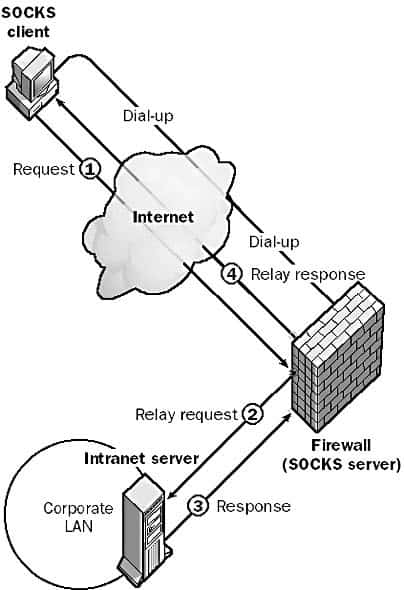
SOCKS v5
SOCKS v5 is a circuit-layer proxy protocol used in client/server networking environments.
-

Serial Line Internet Protocol (SLIP)
SLIP is an industry-standard protocol developed in 1984 for UNIX environments that supports TCP/IP networking over serial transmission lines.