
The Editorial Team is a collective of technology enthusiasts, computer network engineers, and industry professionals dedicated to creating meticulously curated content for a diverse readership. With a combined experience spanning several decades, our team distills complex technology topics into clear, informative articles. Whether it’s networking fundamentals, cutting-edge AI insights, or in-depth guides on blockchain technology, the Editorial Team strives to provide reliable information that advances the understanding of technology for everyone from students to seasoned professionals.

Editorial Team’s mission
The Editorial Team’s mission extends beyond mere reporting; we aim to be the architects of understanding, constructing bridges over the rivers of jargon and complexity. From the foundational bricks of networking to the ever-evolving skies of cloud computing, we guide you through the technological labyrinth.
We take pride in our meticulous attention to detail and our unwavering commitment to accuracy, ensuring that each piece of information is a thread in the vast tapestry of technological knowledge. As we chart the course through the evolving landscape of technology, we invite our readers to join us on this exhilarating journey of discovery and growth. Together, we not only explore the current terrain of technology but also anticipate the horizons of tomorrow’s innovations.
Our Latest Articles
-

T1 Channel Bank
T1 Channel Bank is a type of customer premises equipment (CPE) that is used to terminate a T1 line and distribute its services across the organization.
-
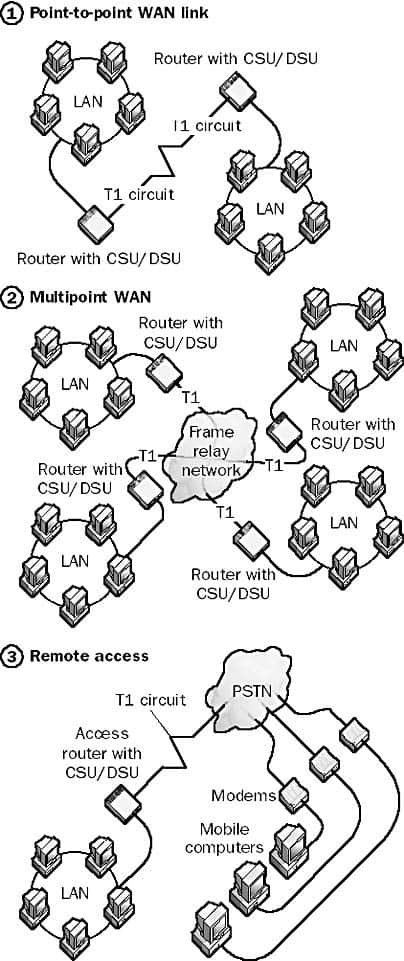
T-carrier
T-carrier is a series of digital communication services provided by telcos for high-speed permanent voice and data connections that was first developed by Bell in the 1960s. Read the full article.
-
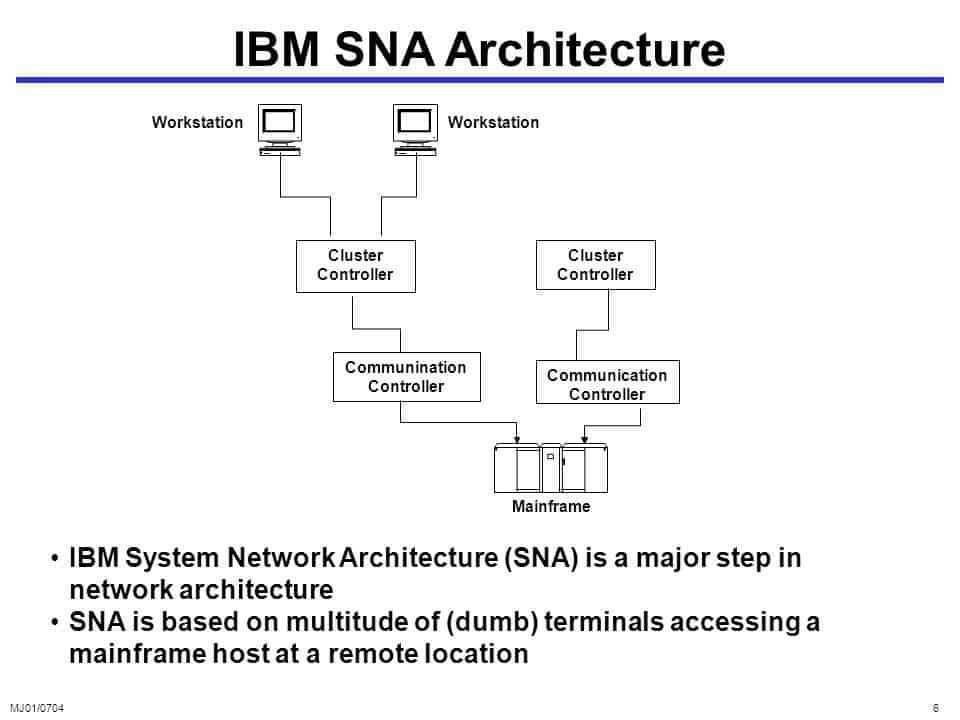
Systems Network Architecture (SNA)
SNA stands for Systems Network Architecture, is a set of IBM mainframe networking standards and protocols introduced in 1974.
-

System Access Control List (SACL)
Uncover the essentials of System Access Control Lists (SACLs) in Windows OS: their evolution, purpose, and impact on security auditing.
-
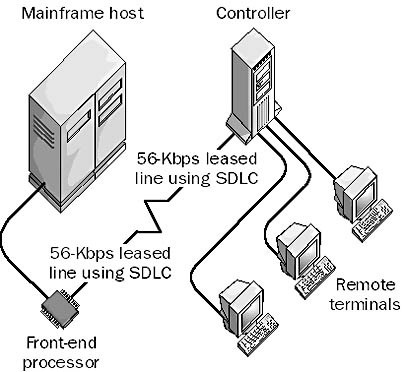
Synchronous Data Link Control (SDLC)
SDLC stands for Synchronous Data Link Control, is a data-link layer protocol developed in the 1970s by IBM for its Systems Network Architecture (SNA) networking environment.
-

Statistical Multiplexing
Statistical Multiplexing is a multiplexing technique that allows information from a number of channels to be combined for transmission over a single channel.
-

Star Topology
Explore the intricacies of Star Topology in networking. This article delves into its history, functionality, and variations like the Extended Star, offering a comprehensive guide for tech enthusiasts and professionals.
-

Bus Topology: A Comprehensive Exploration
BUS is a networking topology that connects networking components along a single cable or that uses a series of cable segments that are connected linearly.
-
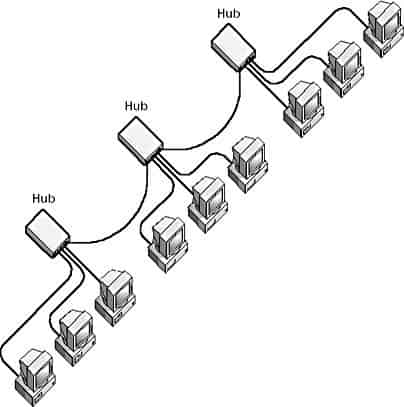
Star Bus Topology
Dive into the hybrid world of Star Bus Topology—a blend of star and bus topologies in networking. Discover its structure, cable options, performance tips, and modern relevance.
-

Signal Loss: A Guide to Causes and Mitigation
Signal Loss is the loss of strength of a signal as it propagates over a medium.
-

Open Shortest Path First (OSPF) Protocol
OSPF stands for Open Shortest Path First, is a link state routing protocol that is used to exchange routing information between dynamic routers.
-

Unraveling the Shortest Path First: The SPF Algorithm
Also called the Dijkstra algorithm, SPF is a routing algorithm in which a router computes the shortest path between each pair of nodes in the network.