
The Editorial Team is a collective of technology enthusiasts, computer network engineers, and industry professionals dedicated to creating meticulously curated content for a diverse readership. With a combined experience spanning several decades, our team distills complex technology topics into clear, informative articles. Whether it’s networking fundamentals, cutting-edge AI insights, or in-depth guides on blockchain technology, the Editorial Team strives to provide reliable information that advances the understanding of technology for everyone from students to seasoned professionals.

Editorial Team’s mission
The Editorial Team’s mission extends beyond mere reporting; we aim to be the architects of understanding, constructing bridges over the rivers of jargon and complexity. From the foundational bricks of networking to the ever-evolving skies of cloud computing, we guide you through the technological labyrinth.
We take pride in our meticulous attention to detail and our unwavering commitment to accuracy, ensuring that each piece of information is a thread in the vast tapestry of technological knowledge. As we chart the course through the evolving landscape of technology, we invite our readers to join us on this exhilarating journey of discovery and growth. Together, we not only explore the current terrain of technology but also anticipate the horizons of tomorrow’s innovations.
Our Latest Articles
-
100BaseFX
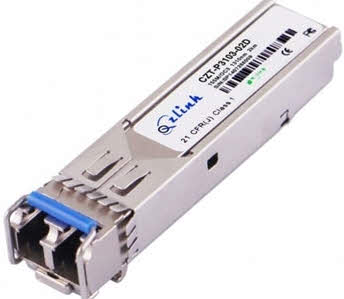
100BaseFX networks are a standard for Fast Ethernet, based on 802.3u. Find out more by reading the full article.
-
1000BaseT
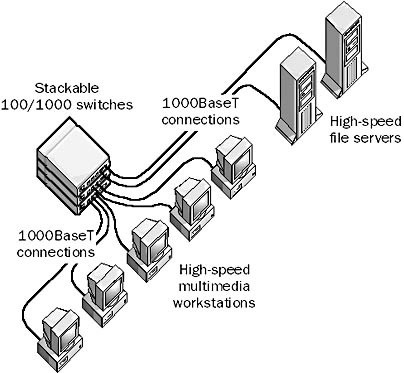
1000BASE-T is a type of standard for implementing Gigabit Ethernet networks. The T in 1000BaseT identifies it as an extension of the traditional 10BaseT and 100BaseT Ethernet technologies for transmission over copper unshielded twisted-pair (UTP) cabling.
-

1000BaseSX
Let’s delve into the world of 1000Base-SX, a fiber optic Gigabit Ethernet standard for operation over multi-mode fiber.
-
1000BaseLX
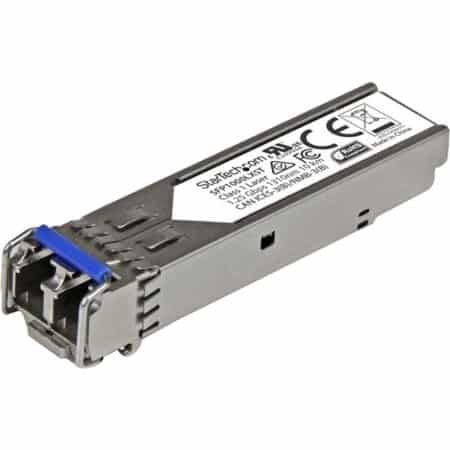
Dive into the 1000Base-LX standard, a cornerstone of Gigabit Ethernet technology that uses long-wavelength signals for extended reach over both fiber and copper networks.
-
1000BaseCX
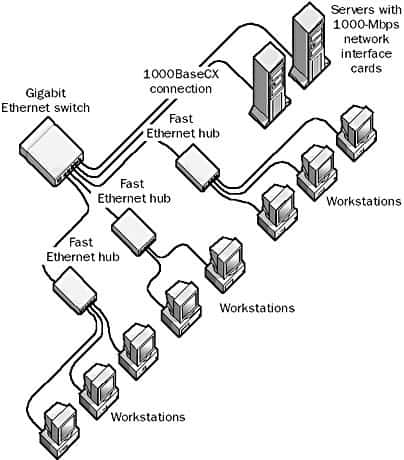
Dive into the technicalities and applications of 1000BaseCX, the robust standard for Gigabit Ethernet over copper cabling, in our extensive guide.
-

Asymmetric Digital Subscriber Line (ADSL)
ADSL stands for Asymmetric Digital Subscriber Line, is a telco service that provides subscribers with high-speed digital telephone services.
-
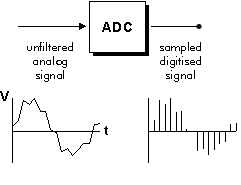
Analog-to-Digital Converter (ADC)
ADC stands for Analog-To-Digital Converter, is any device for changing analog signals into digital transmission – for example, recording someone singing onto a CD.
-
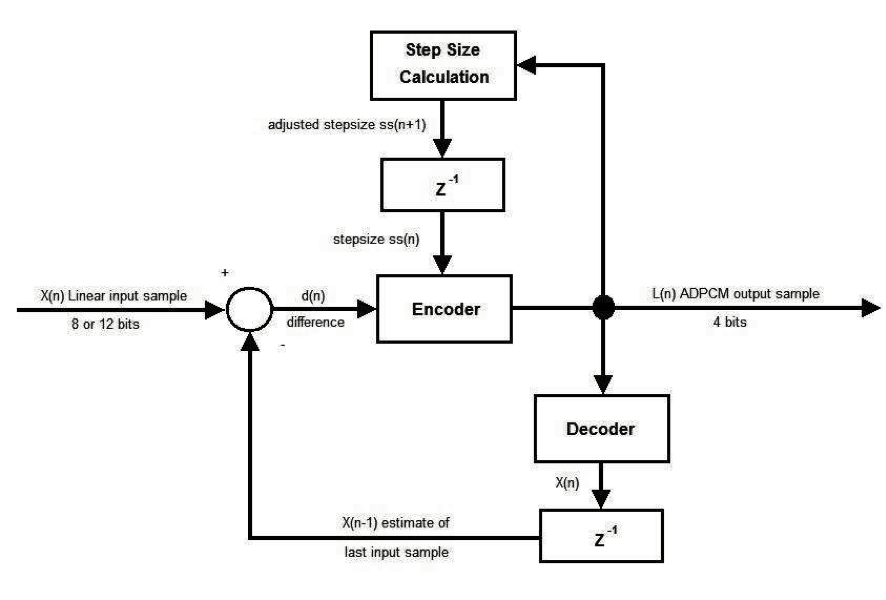
Adaptive Differential Pulse-Code Modulation (ADPCM)
ADPCM stands for Adaptive Differential Pulse-Code Modulation, is a technique for converting analog sound, such as speech, into binary digital information by frequently sampling the sound and expressing its modulation in binary form.
-

Adapter: Bridging the Gap
Dive into the world of network hardware adapters, exploring their vital role in connecting diverse electronic devices for seamless network functionality.
-
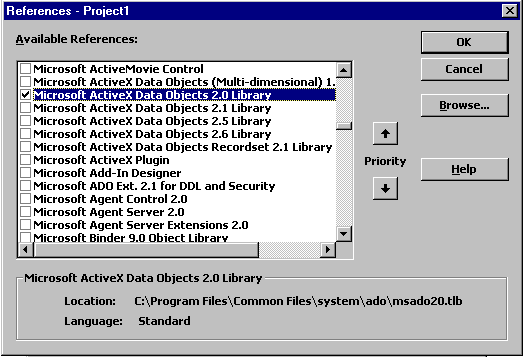
ActiveX Data Objects (ADO)
ADO stands for ActiveX Data Objects, is a data access interface used to communicate with OLE DB–compliant data sources.
-
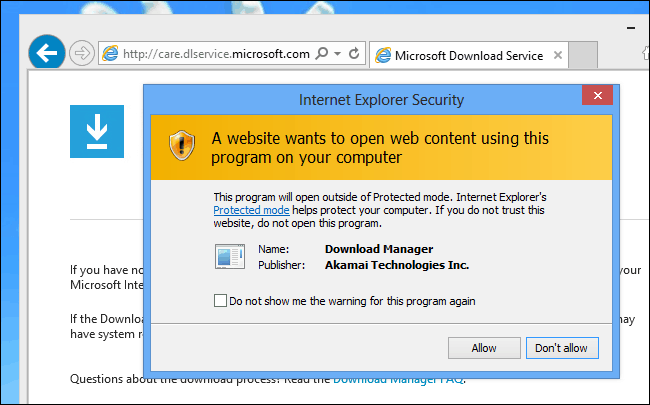
ActiveX Control
ActiveX control is a component using Microsoft ActiveX technologies. An ActiveX control can be automatically downloaded and executed by a Web browser.
-
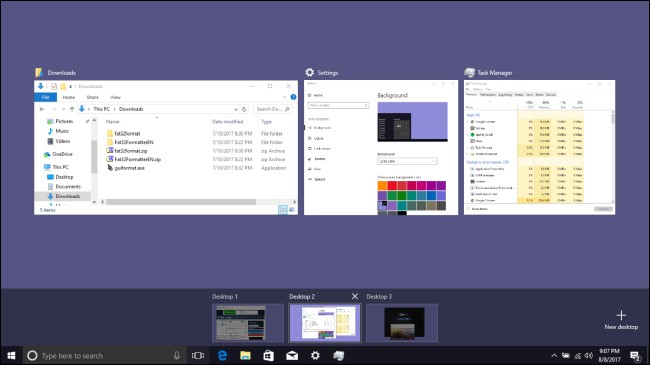
Active Window
Unlock the full potential of your Windows experience by mastering the concept of the Active Window. Learn what it is, how to identify it, and how to toggle between multiple windows like a pro.