
The Editorial Team is a collective of technology enthusiasts, computer network engineers, and industry professionals dedicated to creating meticulously curated content for a diverse readership. With a combined experience spanning several decades, our team distills complex technology topics into clear, informative articles. Whether it’s networking fundamentals, cutting-edge AI insights, or in-depth guides on blockchain technology, the Editorial Team strives to provide reliable information that advances the understanding of technology for everyone from students to seasoned professionals.

Editorial Team’s mission
The Editorial Team’s mission extends beyond mere reporting; we aim to be the architects of understanding, constructing bridges over the rivers of jargon and complexity. From the foundational bricks of networking to the ever-evolving skies of cloud computing, we guide you through the technological labyrinth.
We take pride in our meticulous attention to detail and our unwavering commitment to accuracy, ensuring that each piece of information is a thread in the vast tapestry of technological knowledge. As we chart the course through the evolving landscape of technology, we invite our readers to join us on this exhilarating journey of discovery and growth. Together, we not only explore the current terrain of technology but also anticipate the horizons of tomorrow’s innovations.
Our Latest Articles
-
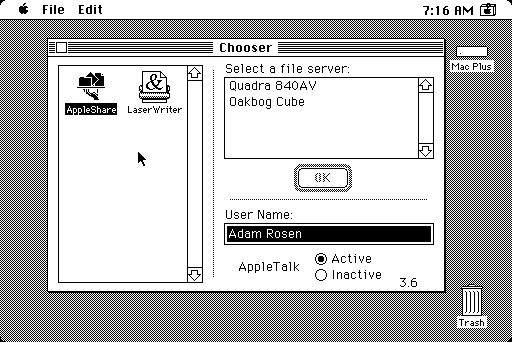
AppleTalk: Understanding the Legacy Networking Protocol for Apple Devices
Explore the history and architecture of AppleTalk, the foundational networking protocol for early Apple devices, and its evolution into modern technologies.
-
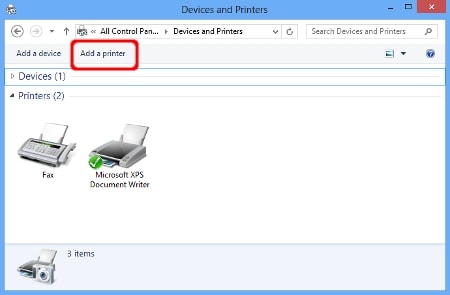
Add Printer
When you connect a printer to your PC or add a new printer to your home network, you can usually start printing right away. Windows supports most printers, and you probably won’t have to go out of your way to install special printer software. If you’re using Windows 8.1 or Windows RT 8.1, additional printer…
-
Add New Hardware
Add New Hardware was a Control Panel utility in Microsoft Windows 95 and Windows 98 that was used to install new peripheral hardware on a machine.
-
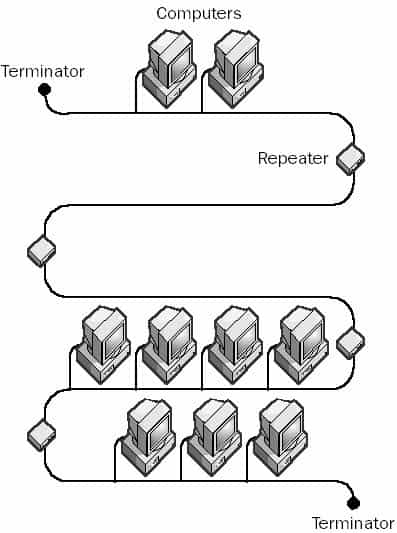
Understanding the 5-4-3 Rule in Ethernet Network Design
The 5-4-3 rule is a specification describing limitations for constructing certain kinds of Ethernet networks.
-
10BaseT
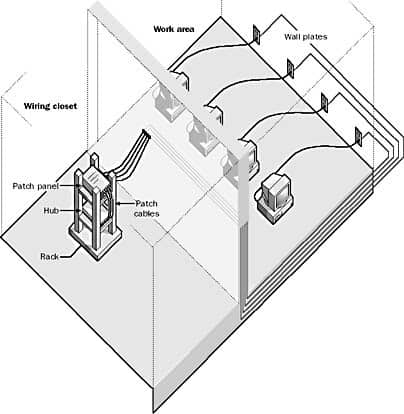
10BaseT was a type of standard for implementing Ethernet networks using unshielded twisted-pair (UTP) cabling for connecting stations and using hubs to form a network. To learn more continue reading. What is 10BaseT? A type of standard for implementing Ethernet networks. 10BaseT is the most popular form of 10-Mbps Ethernet, using unshielded twisted-pair (UTP) cabling…
-
10BaseF
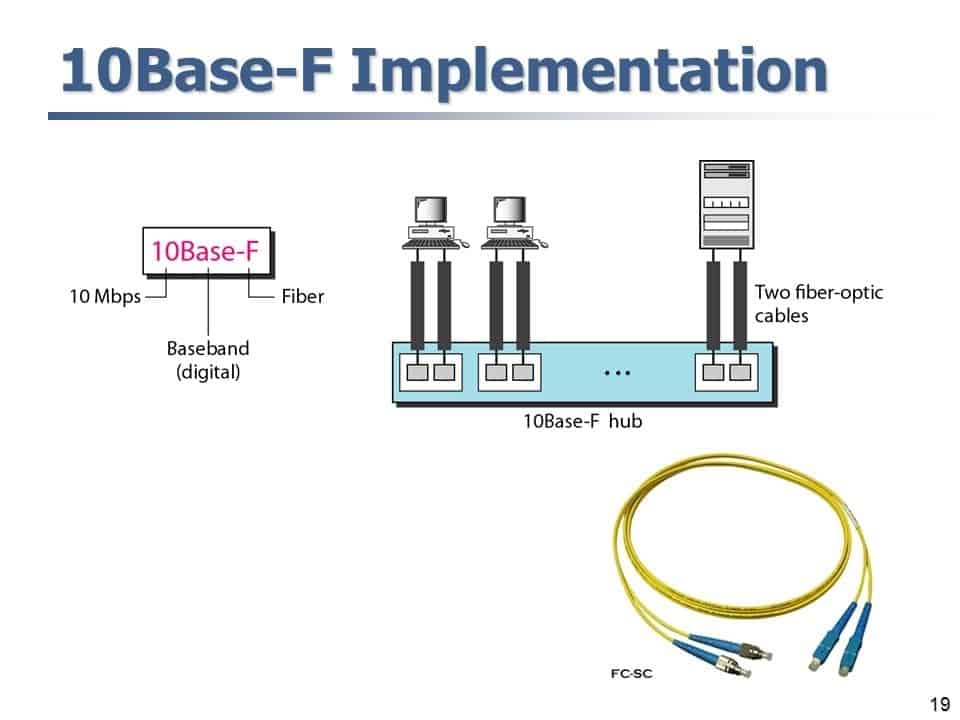
10Base-F is a type of standard for implementing Ethernet networks.
-
10Base5: A Deep Dive into the Original Ethernet Standard
This article delves into the intricacies of 10Base5, exploring its technical specifications, operational mechanics, and the pivotal role it played in the evolution of networking standards. By examining its history and reflecting on its legacy, we aim to provide a comprehensive overview of 10Base5, offering insights into its significance and contributions to the field of…
-
10Base2
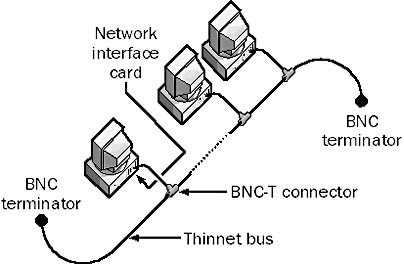
10Base2 is a type of standard for implementing Ethernet networks.
-

100VG-AnyLan: The Forgotten Path to High-Speed Networking
Let’s delve into the history of 100VG-AnyLan, a once-promising alternative to Fast Ethernet, exploring its specifications, technological roots, and the reasons behind its decline.
-
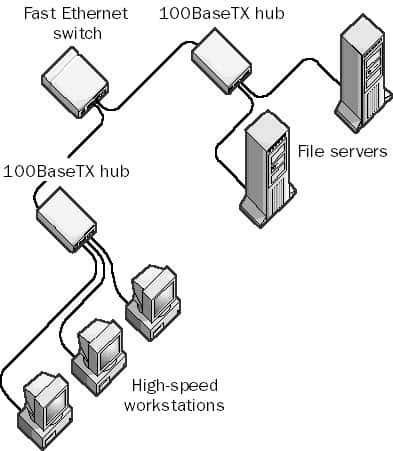
100BaseTX: Implementation and Troubleshooting
100BaseTX is a type of standard for implementing Fast Ethernet networks.
-
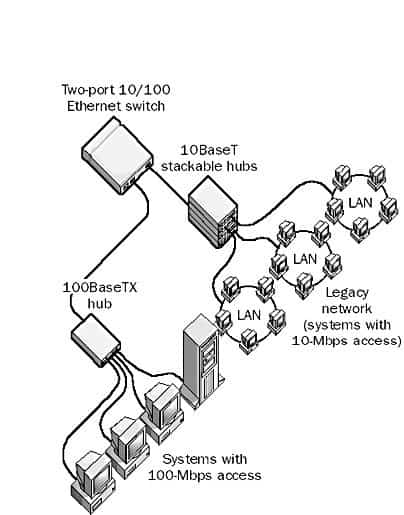
Fast Ethernet
Fast Ethernet is an Ethernet standard for 100-Mbps data transmission defined by the IEEE 802.3u specification.
-
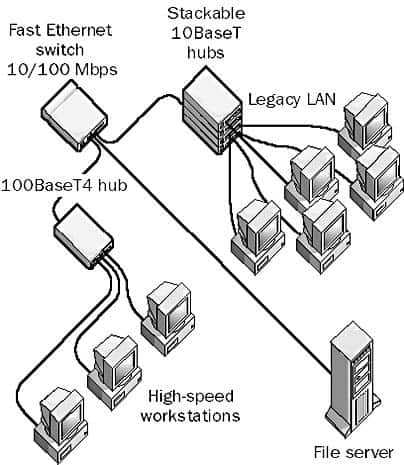
100BaseT4
100BASE-T4 is a type of standard for implementing Fast Ethernet networks. 100BaseT4 is based on 802.3u, which is an extension of the 802.3 specifications of Project 802 developed by the IEEE.