
The Editorial Team is a collective of technology enthusiasts, computer network engineers, and industry professionals dedicated to creating meticulously curated content for a diverse readership. With a combined experience spanning several decades, our team distills complex technology topics into clear, informative articles. Whether it’s networking fundamentals, cutting-edge AI insights, or in-depth guides on blockchain technology, the Editorial Team strives to provide reliable information that advances the understanding of technology for everyone from students to seasoned professionals.

Editorial Team’s mission
The Editorial Team’s mission extends beyond mere reporting; we aim to be the architects of understanding, constructing bridges over the rivers of jargon and complexity. From the foundational bricks of networking to the ever-evolving skies of cloud computing, we guide you through the technological labyrinth.
We take pride in our meticulous attention to detail and our unwavering commitment to accuracy, ensuring that each piece of information is a thread in the vast tapestry of technological knowledge. As we chart the course through the evolving landscape of technology, we invite our readers to join us on this exhilarating journey of discovery and growth. Together, we not only explore the current terrain of technology but also anticipate the horizons of tomorrow’s innovations.
Our Latest Articles
-

SC and ST connectors
SC/ST connectors are used for connecting fiber-optic cabling to networking devices. SC stands for subscriber connector and ST stands for straight tip. See the full article to find more.
-
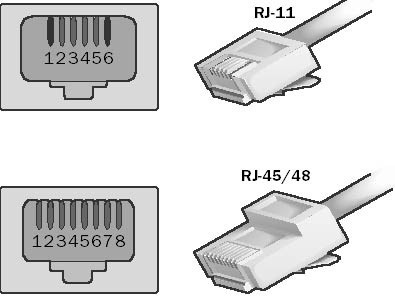
RJ Connectors
RJ Connectors are a family of push-and-click connectors for twisted-pair wiring in telephone and network wiring.
-
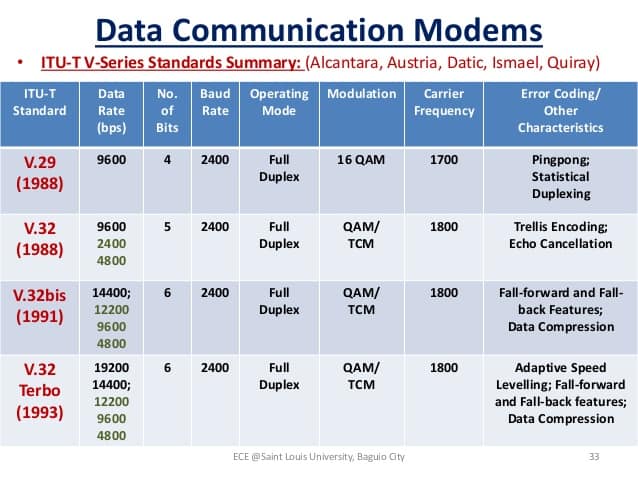
V series
V series is a series of communication standards developed by the International Telecommunication Union (ITU).
-
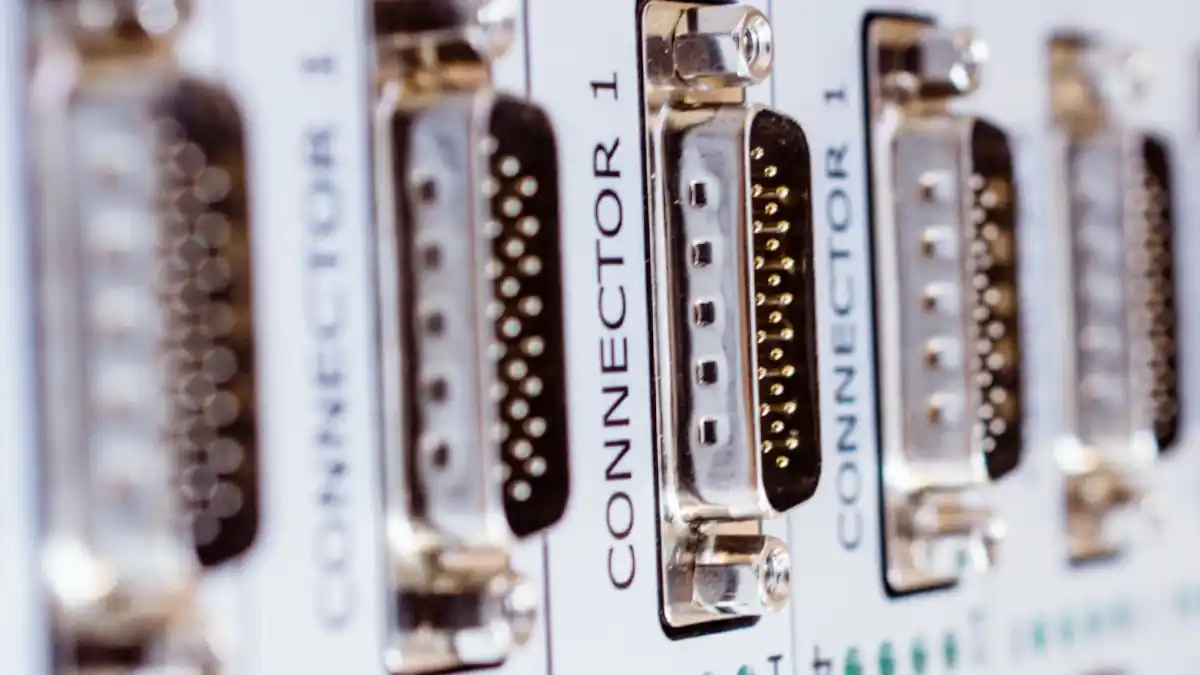
DB connector
Unveil the intricate details behind DB connectors, their history, types, and significance in device connections. Your comprehensive guide to understanding DB connectors.
-

BNC connector
Discover the history and technology behind BNC connectors—once a staple for coaxial cable networking. Explore its origins, functionality, and why it’s less common today.
-
Network Connectors (device)
This article unveils the diverse universe of connectors – from the ubiquitous RJ-45s that power our internet connections to the fiber-optic connectors weaving through data centers.
-
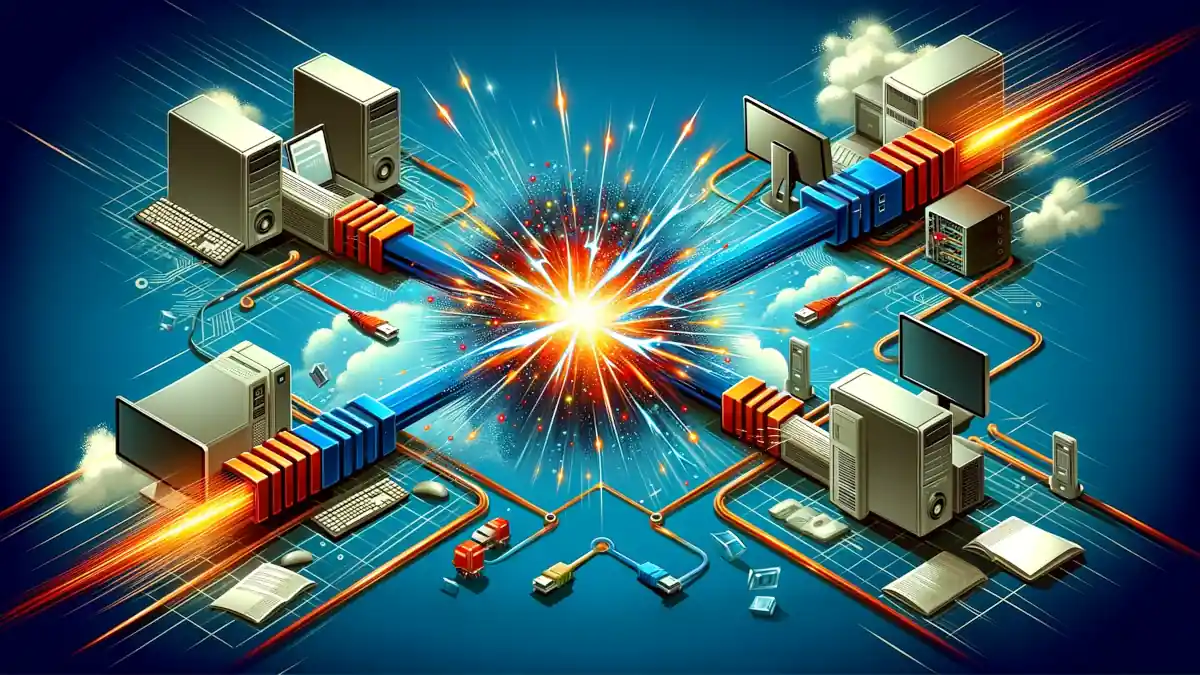
Collision in computer networking
Collision, in computer networking, is a condition that occurs when two or more computers on a network try to transmit signals at the same time.
-
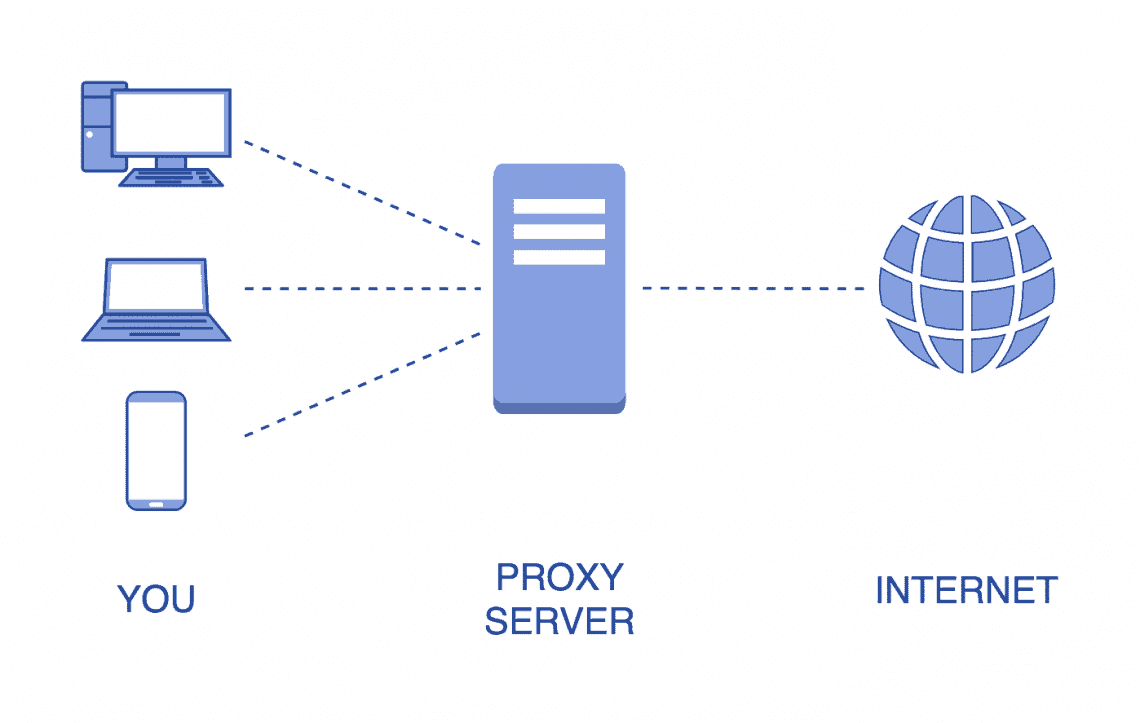
Proxy Server
A Proxy Server is a computer or network device that can act on the behalf of other computers to request content from the Internet or an intranet.
-
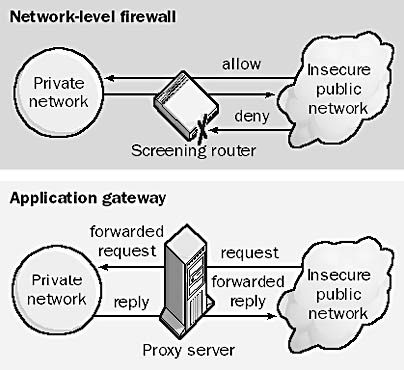
Firewall
We call Firewall to any system or device that allows safe network traffic to pass while restricting or denying unsafe traffic.
-
Circuit-Level Gateway Firewall
Circuit-Level Gateway is a type of firewall that provides session-level control over network traffic.
-
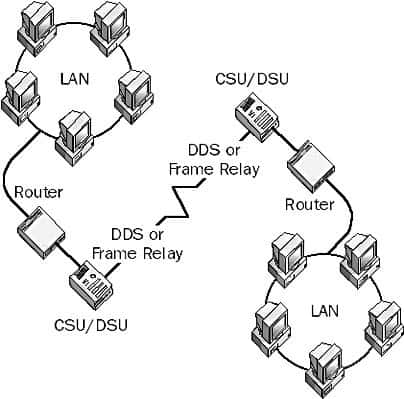
Channel Service Unit/Data Service Unit (CSU/DSU)
CSU/DSU stands for Channel Service Unit/Data Service Unit, is a digital communications device that combines the functions of both a Channel Service Unit (CSU) and a Data Service Unit (DSU).
-

Cell in Wireless Communication
In this article, we’ll explore the fundamentals of cellular networks, delve into the structure and function of cells, examine different types of cells and their applications, and discuss the handover process that keeps connections alive as users move.