
The Editorial Team is a collective of technology enthusiasts, computer network engineers, and industry professionals dedicated to creating meticulously curated content for a diverse readership. With a combined experience spanning several decades, our team distills complex technology topics into clear, informative articles. Whether it’s networking fundamentals, cutting-edge AI insights, or in-depth guides on blockchain technology, the Editorial Team strives to provide reliable information that advances the understanding of technology for everyone from students to seasoned professionals.

Editorial Team’s mission
The Editorial Team’s mission extends beyond mere reporting; we aim to be the architects of understanding, constructing bridges over the rivers of jargon and complexity. From the foundational bricks of networking to the ever-evolving skies of cloud computing, we guide you through the technological labyrinth.
We take pride in our meticulous attention to detail and our unwavering commitment to accuracy, ensuring that each piece of information is a thread in the vast tapestry of technological knowledge. As we chart the course through the evolving landscape of technology, we invite our readers to join us on this exhilarating journey of discovery and growth. Together, we not only explore the current terrain of technology but also anticipate the horizons of tomorrow’s innovations.
Our Latest Articles
-

Domain Guests
Delve into the role of Domain Guests in Microsoft Windows Server networks, a built-in group with no pre-assigned system rights, and its significance.
-
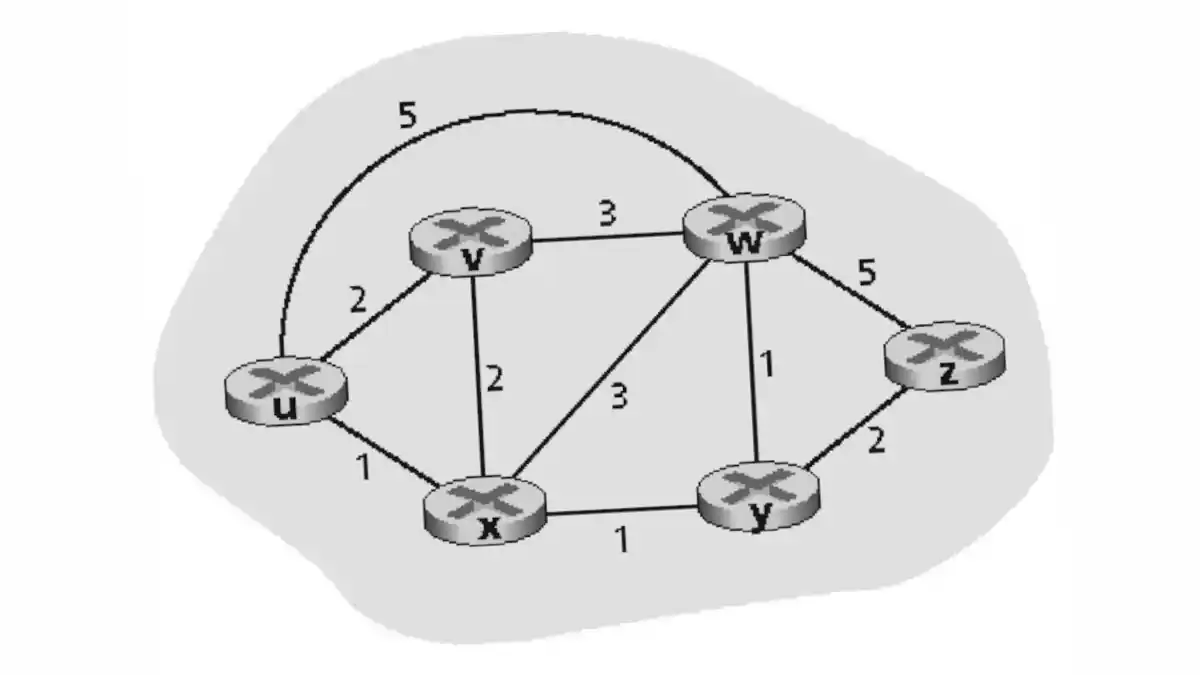
Distance Vector Routing Algorithm
Distance Vector Routing Algorithm, also called the Bellman-Ford algorithm, is a routing algorithm in which every router maintains a database with one entry for each possible destination on the network.
-
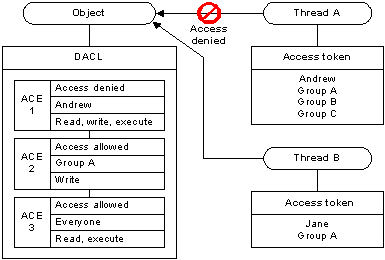
Discretionary Access Control List (DACL)
DACL, or Discretionary Access Control List, is an internal list attached to an object in Active Directory that specifies which users and groups can access the object and what kinds of operations they can perform.
-
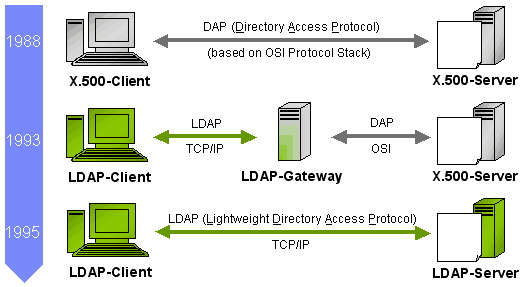
Directory Access Protocol (DAP)
Dive into the intricate world of the Directory Access Protocol (DAP) with our comprehensive guide. Discover how it powers X.500 directory services, explore its features and operations, and compare it with alternative protocols like LDAP. Ideal for IT professionals and students alike, this article is your go-to resource for understanding DAP’s real-world applications and more.
-

Digital Transmission Explained
Explore the fundamentals of digital transmission, the backbone of contemporary digital communications, and its impact on technology.
-
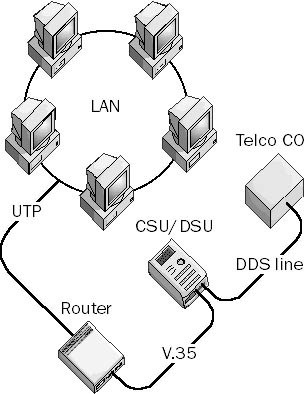
Digital Data Service (DDS)
Digital Data Service is a family of leased line data communication technologies that provides a dedicated synchronous transmission connection at speeds of 56 Kbps.
-
DHCP Scope
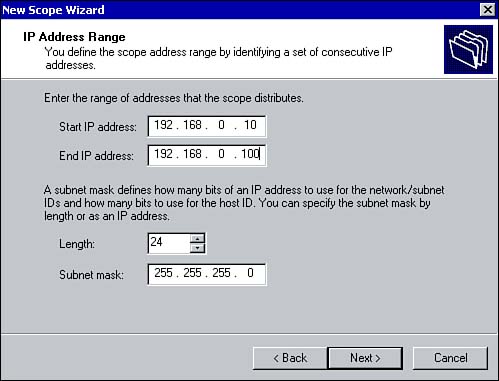
DHCP Scope is a range of IP addresses that a DHCP server can lease out to DHCP clients. This article aims to provide a comprehensive guide on DHCP Scope, discussing its configuration, common pitfalls, and best practices, thereby aiding both seasoned network administrators and newcomers in effectively managing their network environments. If you’re not yet…
-
DHCP Relay Agent
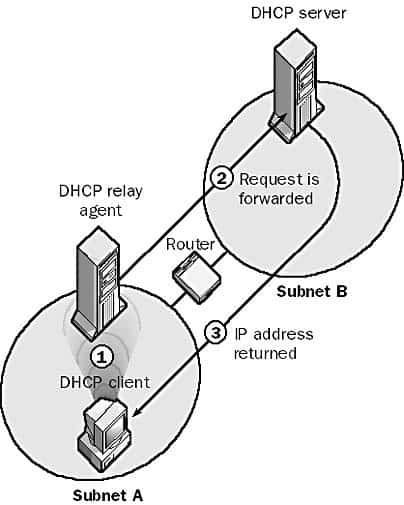
DHCP Relay Agent is a TCP/IP host that is configured to allow a single DHCP server to lease IP address information to DHCP clients on multiple subnets.
-
DHCP Options
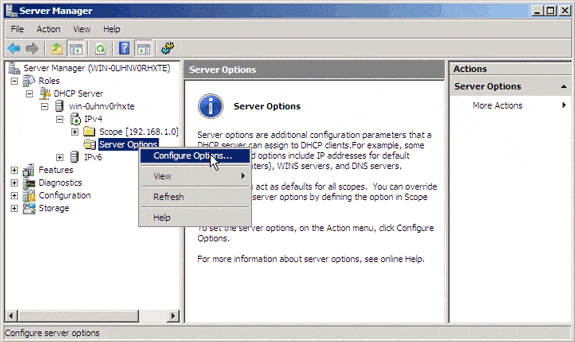
DHCP Options are additional IP address settings that a DHCP server passes to DHCP clients.
-

Destination Address: An Essential Guide
Destination Address is the address to which a frame or packet of data is sent over a network.
-

Decoding Customer Premises Equipment (CPE): A Comprehensive Guide
This guide will explore the diverse world of CPE, its types, functionalities, and the significant role it plays in modern telecommunications networks.
-
Small Computer System Interface (SCSI)
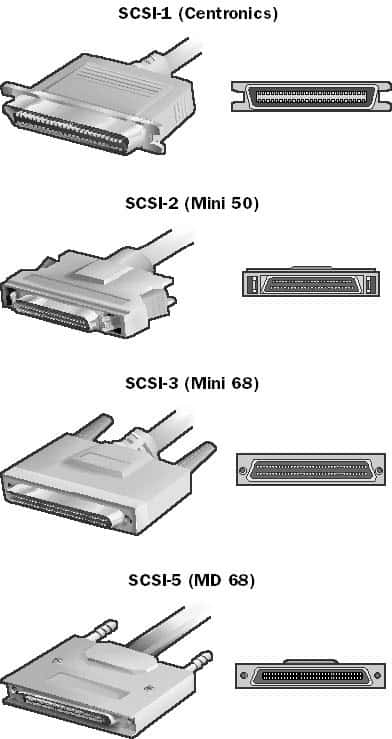
SCSI stands for Small Computer System Interface, is a hardware bus specification for connecting peripherals to a computer using a parallel transmission interface.