
The Editorial Team is a collective of technology enthusiasts, computer network engineers, and industry professionals dedicated to creating meticulously curated content for a diverse readership. With a combined experience spanning several decades, our team distills complex technology topics into clear, informative articles. Whether it’s networking fundamentals, cutting-edge AI insights, or in-depth guides on blockchain technology, the Editorial Team strives to provide reliable information that advances the understanding of technology for everyone from students to seasoned professionals.

Editorial Team’s mission
The Editorial Team’s mission extends beyond mere reporting; we aim to be the architects of understanding, constructing bridges over the rivers of jargon and complexity. From the foundational bricks of networking to the ever-evolving skies of cloud computing, we guide you through the technological labyrinth.
We take pride in our meticulous attention to detail and our unwavering commitment to accuracy, ensuring that each piece of information is a thread in the vast tapestry of technological knowledge. As we chart the course through the evolving landscape of technology, we invite our readers to join us on this exhilarating journey of discovery and growth. Together, we not only explore the current terrain of technology but also anticipate the horizons of tomorrow’s innovations.
Our Latest Articles
-

Virus (in computer systems)
A Virus is any piece of code that is deliberately written to cause damage or annoyance to computer users on a network.
-

Virtual Server: Architecting the Future
Virtual Server is a technology that allows multiple independent Web sites to be hosted on a single Web server.
-

Virtual Private Network (VPN)
Virtual Private Network, or VPN, is a technology for connecting the components and resources of one network over another.
-
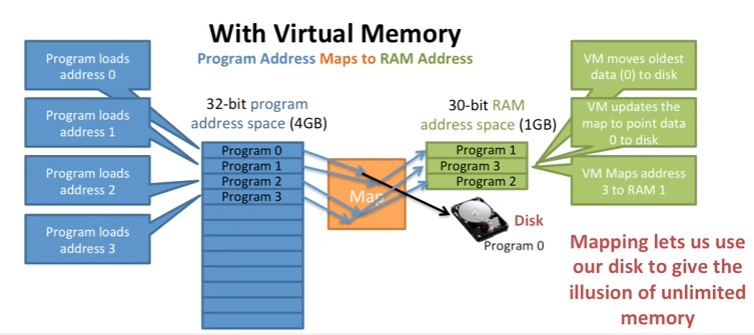
Virtual Memory
Virtual Memory is a mechanism by which applications function as though the system has more RAM than it actually does.
-
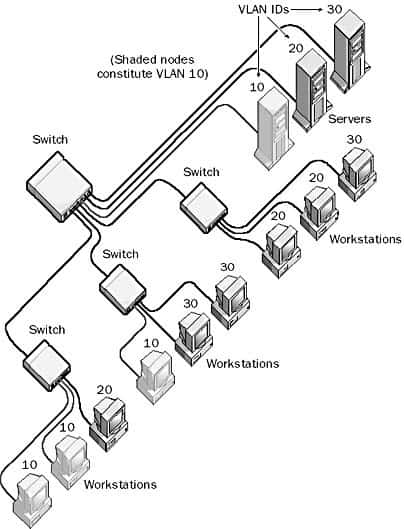
Virtual LAN (VLAN)
Virtual LAN, or VLAN, is a networking technology that allows networks to be segmented logically without having to be physically rewired.
-
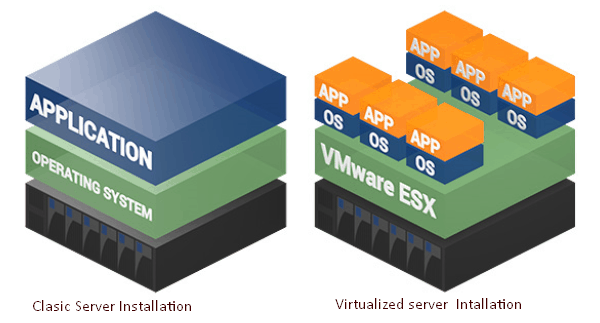
Virtualization
Virtualization refers to the act of creating a virtual version of any computer network resources like a server, switch, router, computer hardware platforms, storage device, etc.
-
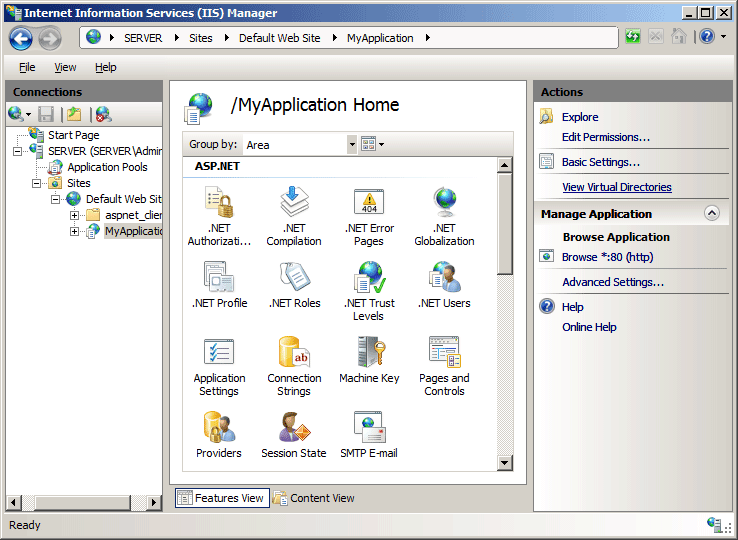
Virtual Directory
Virtual Directory is a directory that appears to Web browser users as a subdirectory of a Web site’s home directory but in fact might be located in a different folder, drive, or server.
-
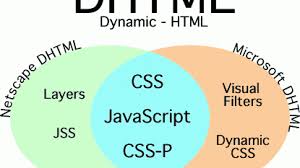
Dynamic HTML
Dynamic HTML is a proposed World Wide Web Consortium (W3C) standard developed by Microsoft for creating interactive multimedia Web content.
-
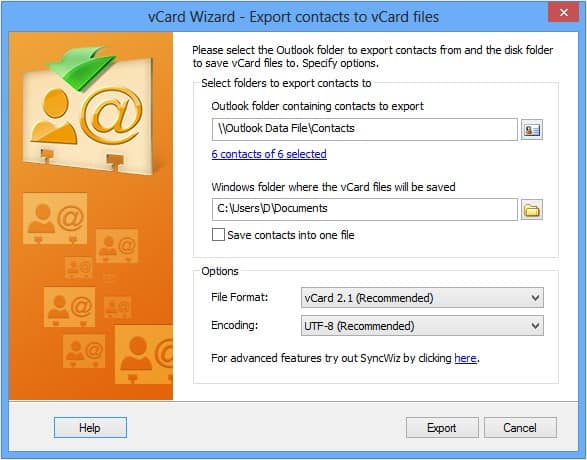
vCard
vCard is an Internet protocol for exchanging business information. vCard enables users to exchange the kind of information found on business cards by using standard Internet applications such as e-mail clients and Web browsers.
-
vCalendar
vCalendar is an Internet protocol for interoperability between scheduling programs running on different platforms. vCalendar allows Personal Data Interchange (PDI) programs to exchange scheduling information over the Internet.
-
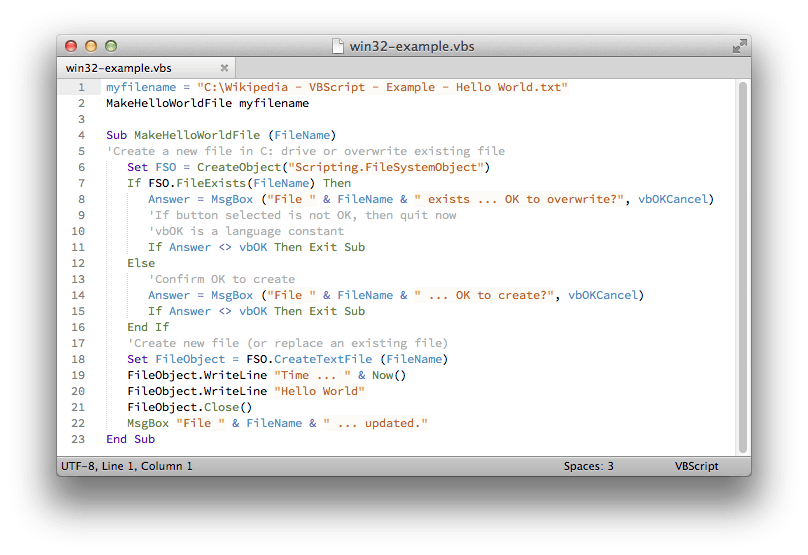
VBScript
VBScript stands for Visual Basic Scripting Edition, a scripting language developed by Microsoft and designed primarily for use in Web browsers such as Microsoft Internet Explorer.
-
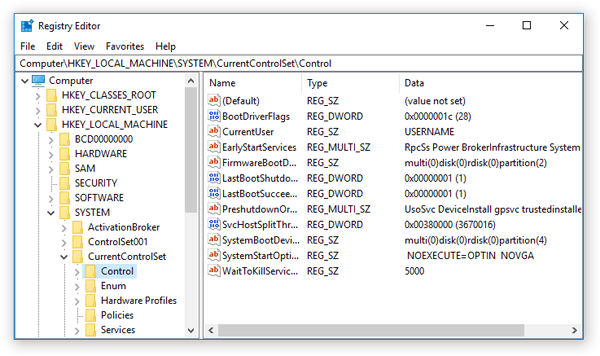
Decoding Value Entries: The Building Blocks of Windows Registry
Value Entry is a data entry in the Microsoft Windows registry.