
The Editorial Team is a collective of technology enthusiasts, computer network engineers, and industry professionals dedicated to creating meticulously curated content for a diverse readership. With a combined experience spanning several decades, our team distills complex technology topics into clear, informative articles. Whether it’s networking fundamentals, cutting-edge AI insights, or in-depth guides on blockchain technology, the Editorial Team strives to provide reliable information that advances the understanding of technology for everyone from students to seasoned professionals.

Editorial Team’s mission
The Editorial Team’s mission extends beyond mere reporting; we aim to be the architects of understanding, constructing bridges over the rivers of jargon and complexity. From the foundational bricks of networking to the ever-evolving skies of cloud computing, we guide you through the technological labyrinth.
We take pride in our meticulous attention to detail and our unwavering commitment to accuracy, ensuring that each piece of information is a thread in the vast tapestry of technological knowledge. As we chart the course through the evolving landscape of technology, we invite our readers to join us on this exhilarating journey of discovery and growth. Together, we not only explore the current terrain of technology but also anticipate the horizons of tomorrow’s innovations.
Our Latest Articles
-
AT Command
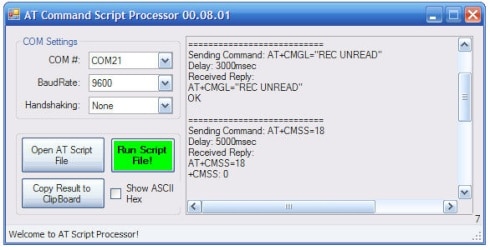
AT Command is a set of instructions used to control a modem. AT is the abbreviation of ATtention. Every command line starts with “AT” or “at” and that is why modem commands are called AT commands. AT Command is also a tool that can be used to schedule the execution of commands, batch files, and…
-

Asynchronous Transmission
Asynchronous Transmission is a mode of serial transmission for modems and other telecommunication devices in which the data is transmitted as a continuous stream of bytes separated by start and stop bits.
-
Synchronous Transmission
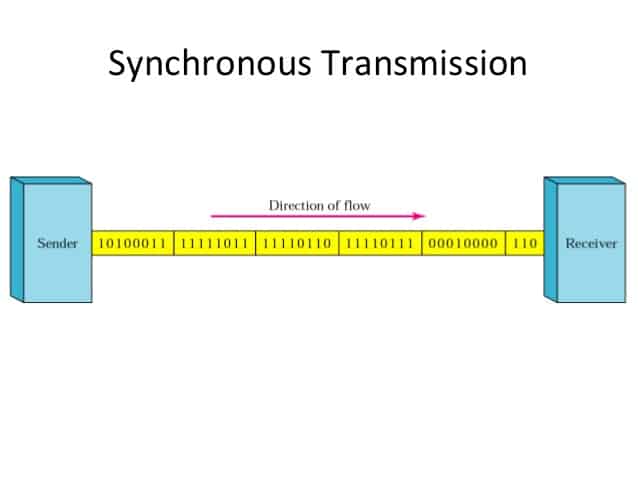
Synchronous transmission is a mode of serial transmission for digital modems, ISDN terminal adapters, Channel Service Unit/Data Service Units (CSU/DSUs), and other telecommunications devices.
-
Performance Monitor
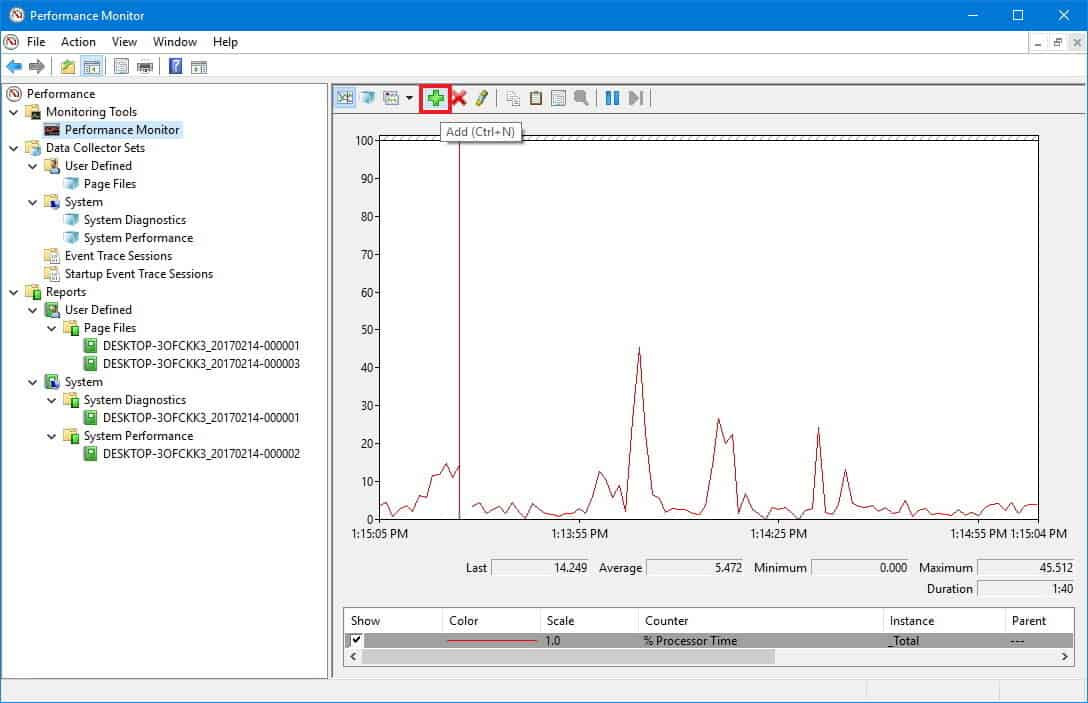
Performance Monitor is a system tool for monitoring the performance of a Microsoft operating system. (In Windows 9x, Windows 2000, and Windows XP this tool is called System Monitor.)
-
Client Access License (CAL)
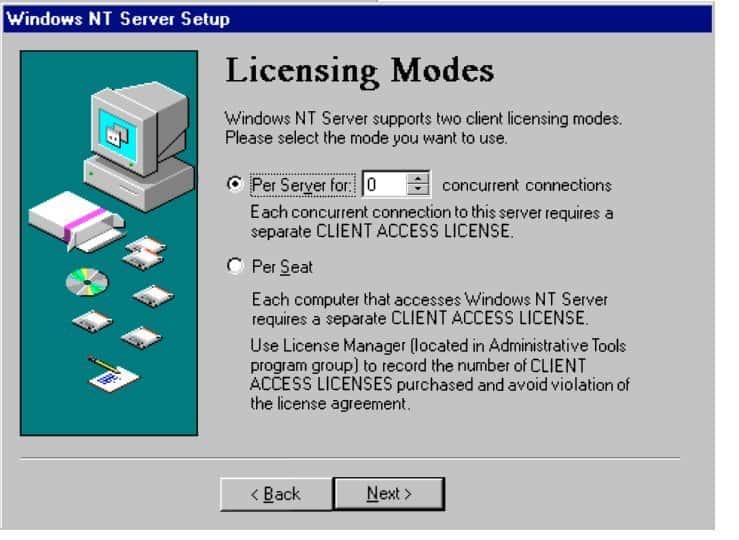
Client Access Licence is a license that grants a client machine access to a Microsoft BackOffice product running on a network of computers.
-
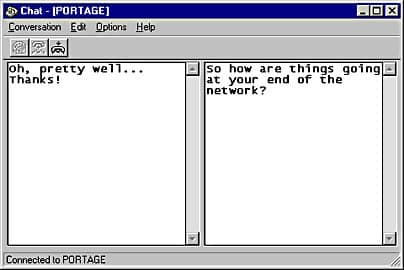
Chat (Windows 2000/NT)
Chat was an accessory in Microsoft Windows NT and Windows 2000 (winchat.exe) for communicating with text in real-time with other users on the network.
-
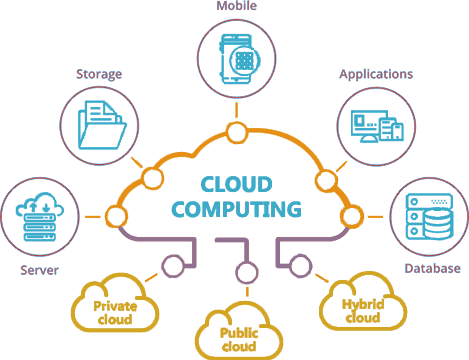
Cloud Computing
Cloud computing, often referred to as simply the cloud is the delivery of on-demand computing resources – everything from applications to data centers – over the internet on a pay-for-use basis.
-
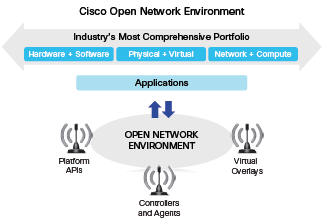
Open Network Environment
Open Network Environment: Organizations are looking to harness trends such as cloud, mobility, social networking, and video to fuel the next wave of business innovation.
-
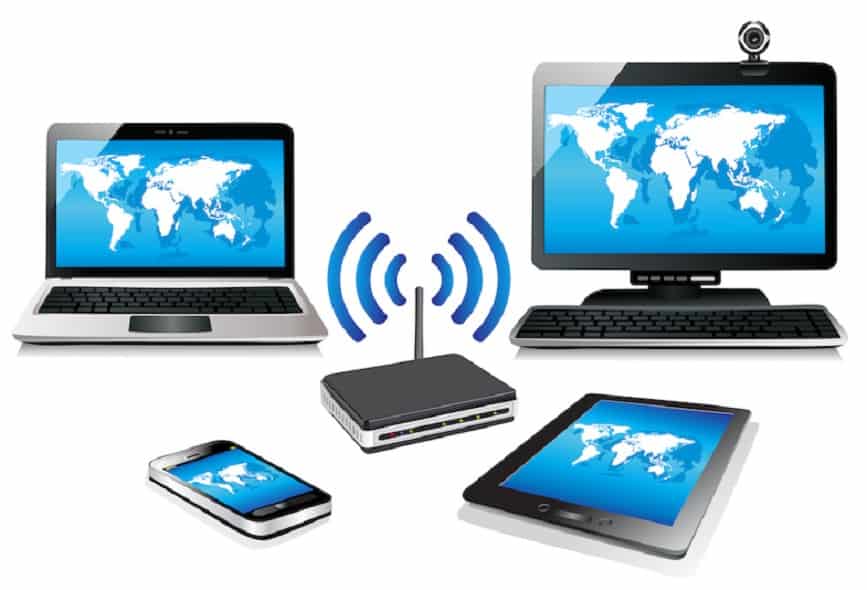
Wireless Networking
Wireless Networking is a network that uses electromagnetic waves traveling through free space to connect stations or devices.
-

Federal Communications Commission (FCC)
Federal Communications Commission (FCC) is a government agency overseeing all aspects of telecommunications.
-

Internet Information Services (IIS)
IIS or Internet Information Services is the service integrated into the Microsoft Windows Server operating system platform that provides support for application-layer Internet protocols.
-

Hypertext Transfer Protocol (HTTP)
Hypertext Transfer Protocol is a standard Internet protocol that specifies the client/server interaction processes between Web browsers such as Microsoft Internet Explorer or Chrome and Web servers such as Microsoft Internet Information Services (IIS) or Apache.