
The Editorial Team is a collective of technology enthusiasts, computer network engineers, and industry professionals dedicated to creating meticulously curated content for a diverse readership. With a combined experience spanning several decades, our team distills complex technology topics into clear, informative articles. Whether it’s networking fundamentals, cutting-edge AI insights, or in-depth guides on blockchain technology, the Editorial Team strives to provide reliable information that advances the understanding of technology for everyone from students to seasoned professionals.

Editorial Team’s mission
The Editorial Team’s mission extends beyond mere reporting; we aim to be the architects of understanding, constructing bridges over the rivers of jargon and complexity. From the foundational bricks of networking to the ever-evolving skies of cloud computing, we guide you through the technological labyrinth.
We take pride in our meticulous attention to detail and our unwavering commitment to accuracy, ensuring that each piece of information is a thread in the vast tapestry of technological knowledge. As we chart the course through the evolving landscape of technology, we invite our readers to join us on this exhilarating journey of discovery and growth. Together, we not only explore the current terrain of technology but also anticipate the horizons of tomorrow’s innovations.
Our Latest Articles
-
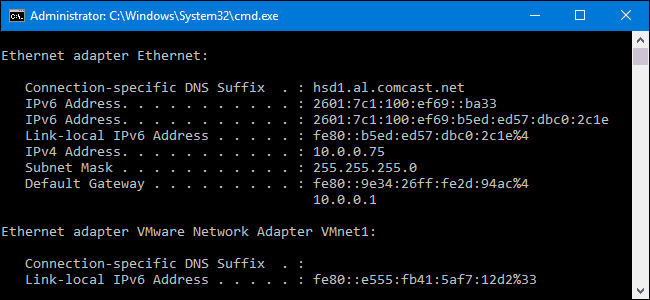
ipconfig
Ipconfig is a TCP/IP utility that displays the current TCP/IP configuration settings for each network interface card (NIC).
-

Interprocess Communication (IPC)
Interprocess Communication (IPC) is a mechanism for establishing a connection between processes, running on two computers or on a single multitasking computer, to allow data to flow between those processes.
-

Internet Network Information Center (InterNIC)
Delve into the history and role of the Internet Network Information Center (InterNIC) and understand its transition to ICANN. Explore how domain registration has evolved over the years.
-
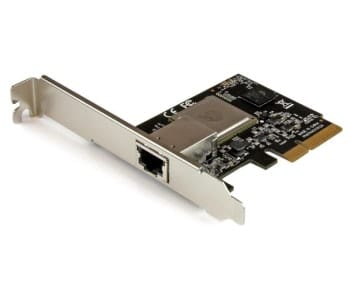
Network Interface Card (NIC)
NIC stands for Network Interface Card is an adapter card that plugs into the system bus of a computer and allows the computer to send and receive signals on a network.
-

RPCPing: Remote Procedure Call Ping
RPC Ping is a client/server utility included with Microsoft Exchange Server for testing for remote procedure call (RPC) connectivity between two locations on a network.
-
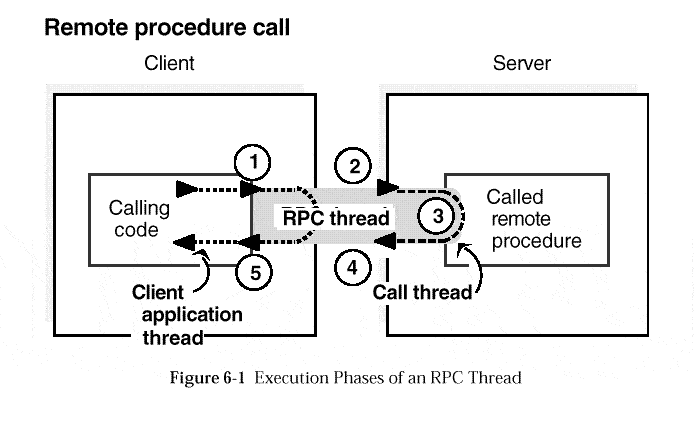
Remote Procedure Call (RPC)
Remote Procedure Call (RPC) is a message-passing programming technology developed by Sun Microsystems and extended by the Open Software Foundation (OSF) that allows an application to execute procedures and interact with services on a remote computer on the network.
-

Microsoft SQL Server
Microsoft SQL Server is a high-performance client/server relational database management system (RDBMS) for the Microsoft Windows Server operating systems.
-
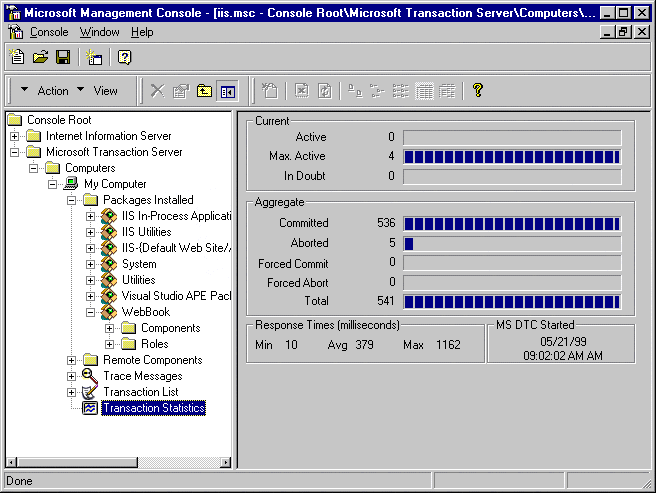
Navigating the Legacy of Microsoft Transaction Server: A Retrospective
Microsoft Transaction Server was a software included in the Microsoft Windows NT Option Pack and Windows NT Server, Enterprise Edition, that provided a variety of services for component-based applications, including transaction support, security, and thread pooling.
-

Component Object Model: Microsoft’s COM Architecture
Component Object Model (COM) is an object-based software architecture that allows applications to be built from binary software components.
-
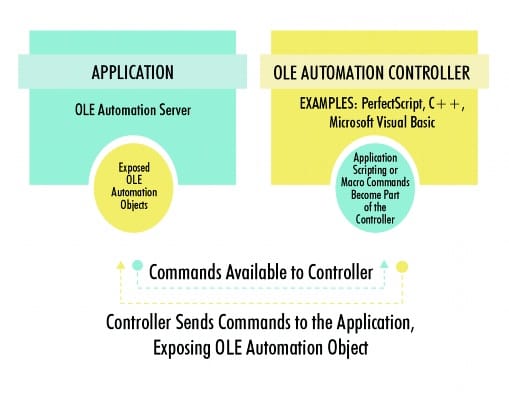
Automation (OLE Automation)
Automation makes it possible for one application to manipulate objects implemented in another application, or to expose objects so they can be manipulated.
-
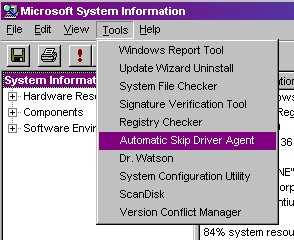
Automatic Skip Driver Agent (ASD)
Step back in time to explore the Automatic Skip Driver (ASD) Agent in Windows 98, a key player in system stability and user experience.
-
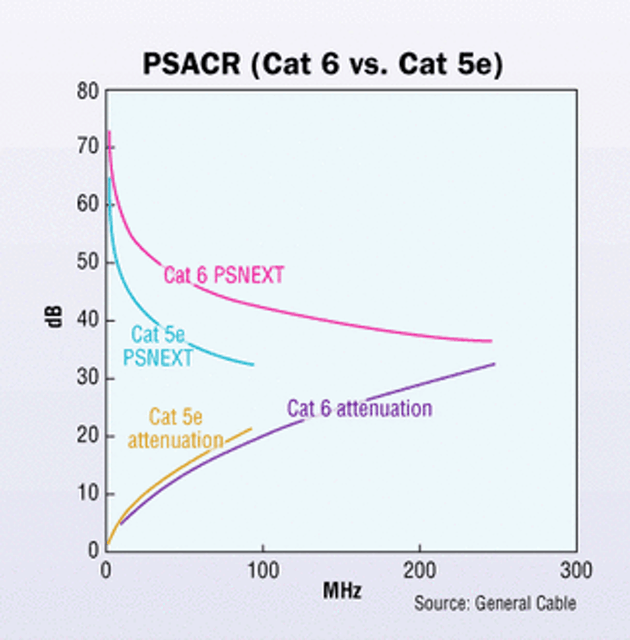
Attenuation to Crosstalk Ratio (ACR)
ACR stands for Attenuation to Crosstalk Ratio is the ratio of the received strength of a signal on a pair of wires to the amount of crosstalk between the wires.