
The Editorial Team is a collective of technology enthusiasts, computer network engineers, and industry professionals dedicated to creating meticulously curated content for a diverse readership. With a combined experience spanning several decades, our team distills complex technology topics into clear, informative articles. Whether it’s networking fundamentals, cutting-edge AI insights, or in-depth guides on blockchain technology, the Editorial Team strives to provide reliable information that advances the understanding of technology for everyone from students to seasoned professionals.

Editorial Team’s mission
The Editorial Team’s mission extends beyond mere reporting; we aim to be the architects of understanding, constructing bridges over the rivers of jargon and complexity. From the foundational bricks of networking to the ever-evolving skies of cloud computing, we guide you through the technological labyrinth.
We take pride in our meticulous attention to detail and our unwavering commitment to accuracy, ensuring that each piece of information is a thread in the vast tapestry of technological knowledge. As we chart the course through the evolving landscape of technology, we invite our readers to join us on this exhilarating journey of discovery and growth. Together, we not only explore the current terrain of technology but also anticipate the horizons of tomorrow’s innovations.
Our Latest Articles
-
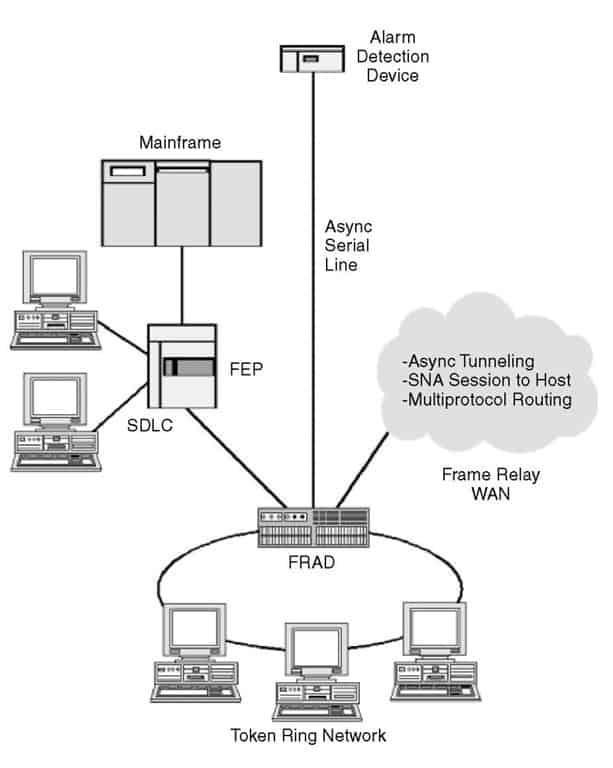
Frame Relay Access Device (FRAD)
Sometimes called a frame relay assembler/disassembler, FRAD is a telecommunications device that enables a customer site to be connected to a frame relay service.
-
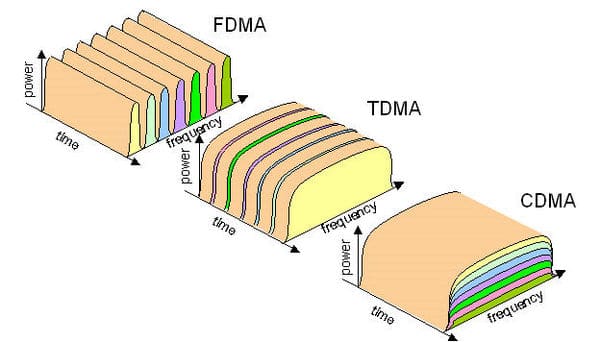
Code Division Multiple Access (CDMA)
CDMA is a digital cellular phone technology that uses spread-spectrum wireless networking technologies.
-

Channel Definition Format (CDF): The Web in Your Pocket
The Channel Definition Format (CDF) is an outdated technology. It was primarily used in the late 1990s and early 2000s as part of Microsoft’s Internet Explorer 4.0 to enable web content to be viewed in a push-like fashion, similar to a news feed.
-

Caching-Only Name Servers: Enhancing DNS Efficiency
Caching-only Name Server is a name server in the Domain Name System (DNS) that can resolve name lookup requests but does not maintain its own local DNS database or zone file of resource records.
-

Customer Premises
Customer Premises is a general term referring to your local company’s networking environment.
-

Telecommunications Industry Association (TIA): Pioneering the Telecommunications Revolution
Dive into the TIA’s impact on telecom, exploring its origin, role, and influence in shaping our connected world.
-

Cable Tester
A Cable Tester is a device for measuring the integrity and transmission characteristics of cabling.
-
ASCII
Delve into ASCII, the American Standard Code for Information Interchange, which encodes English text for digital communication, featuring a complete guide to its characters and practical uses.
-
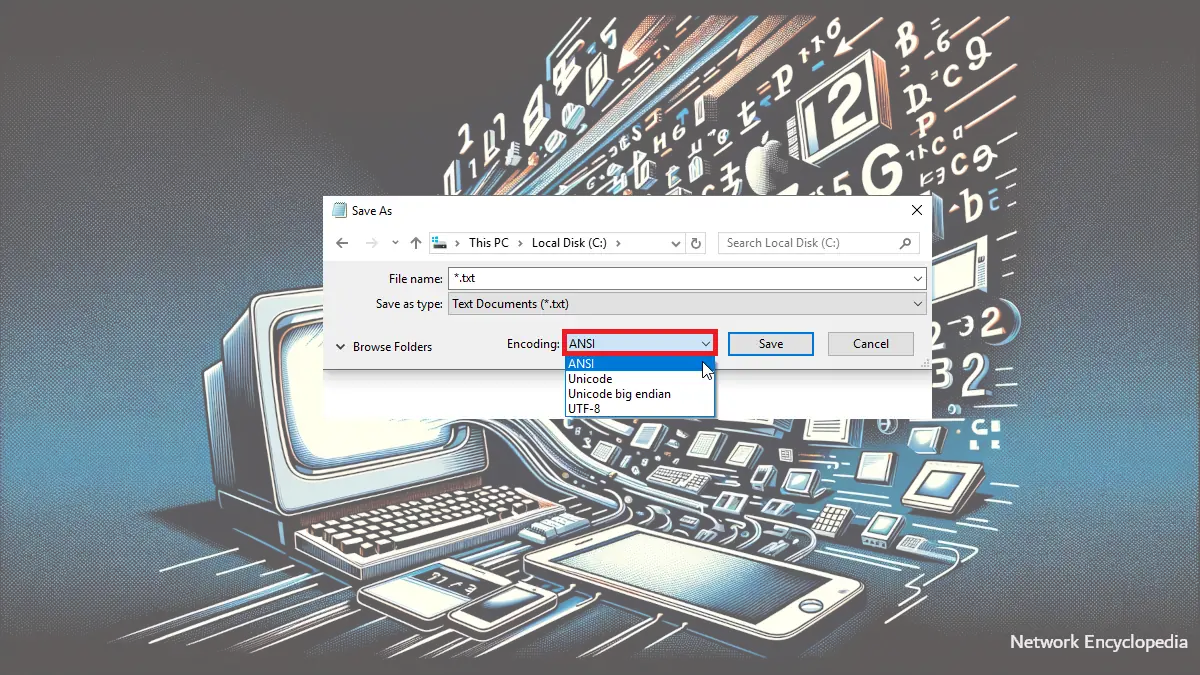
Understanding ASCII Files: The Basics of Text File Encoding
An ASCII File is a file that contains unformatted ASCII text: only characters, numbers, punctuation, tabs, and carriage return characters.
-
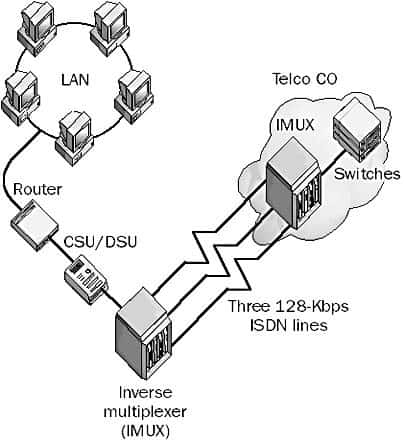
Inverse Multiplexing
Inverse Multiplexing is a networking and telecommunications technique of combining the bandwidths of a number of digital lines into a single virtual pathway for high-speed communication.
-
Inverse Multiplexer (IMUX)
Explore the ingenuity of IMUX in telecommunications, dissecting its role in efficient data streaming over multiple channels.
-

Understanding Time-Division Multiplexing: The Backbone of Efficient Communications
Time-Division Multiplexing (TDM) is a foundational technology in telecommunications that optimizes the use of bandwidth by dividing a single physical communication channel into multiple time slots.