
The Editorial Team is a collective of technology enthusiasts, computer network engineers, and industry professionals dedicated to creating meticulously curated content for a diverse readership. With a combined experience spanning several decades, our team distills complex technology topics into clear, informative articles. Whether it’s networking fundamentals, cutting-edge AI insights, or in-depth guides on blockchain technology, the Editorial Team strives to provide reliable information that advances the understanding of technology for everyone from students to seasoned professionals.

Editorial Team’s mission
The Editorial Team’s mission extends beyond mere reporting; we aim to be the architects of understanding, constructing bridges over the rivers of jargon and complexity. From the foundational bricks of networking to the ever-evolving skies of cloud computing, we guide you through the technological labyrinth.
We take pride in our meticulous attention to detail and our unwavering commitment to accuracy, ensuring that each piece of information is a thread in the vast tapestry of technological knowledge. As we chart the course through the evolving landscape of technology, we invite our readers to join us on this exhilarating journey of discovery and growth. Together, we not only explore the current terrain of technology but also anticipate the horizons of tomorrow’s innovations.
Our Latest Articles
-
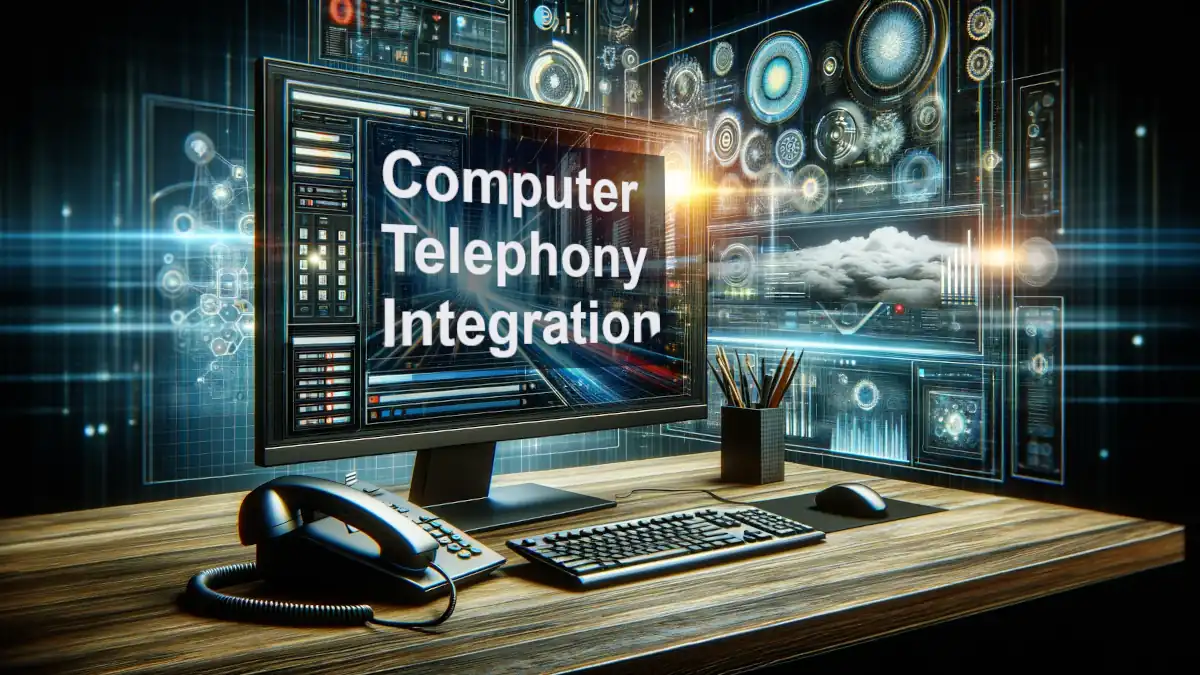
Computer-telephony Integration (CTI)
Uncover the evolution of Computer-Telephony Integration (CTI) and its impact on modern communication technologies in businesses and beyond.
-
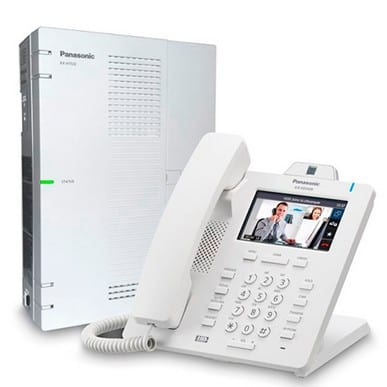
Private Branch Exchange (PBX)
Private Branch Exchange, also known as PBX, is a telephone switch at the customer premises that supports multiple independent telephone extensions.
-

Internet Society (ISOC)
Internet Society, aka ISOC, is a professional society founded in 1992 that provides leadership for the development and evolution of the Internet.
-

Security Identifier (SID)
Unlock the secrets of Windows Security with our deep dive into SIDs! Explore how these unique identifiers safeguard your system.
-

Uniform Resource Locator (URL)
Uniform Resource Locator, or URL, is an addressing scheme that enables browsers such as Microsoft Internet Explorer and software such as File Transfer Protocol (FTP) clients to access various resources on the Internet.
-

FQDN: Fully Qualified Domain Name
Dive into the essentials of FQDN, understanding its structure, significance in DNS, and its role in the digital world. A complete guide to fully qualified domain names.
-
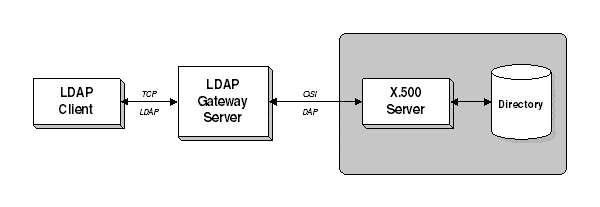
Lightweight Directory Access Protocol (LDAP)
LDAP stands for Lightweight Directory Access Protocol is an Internet protocol for accessing and updating information in an X.500-compliant directory.
-
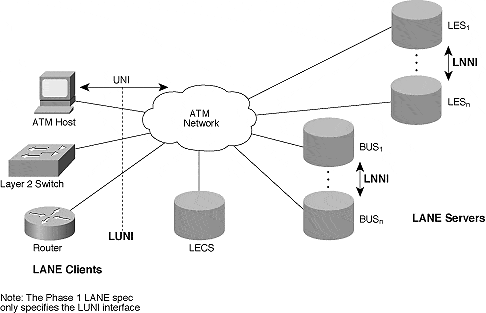
LAN emulation (LANE)
LAN Emulation, also known as LANE, is an Asynchronous Transfer Mode (ATM) technology that enables local area network (LAN) traffic such as Ethernet frames to be carried over an ATM network.
-
IEEE – Institute of Electrical and Electronics Engineers
IEEE stands for Institute of Electrical and Electronics Engineers is a worldwide nonprofit association of technical professionals that promotes the development of standards and acts as a catalyst for new technology in all aspects of the engineering industry, including computer networking, telecommunications, electric power, aerospace, and consumer electronics.
-

Fractional T1 Lines: Customizing Bandwidth for Efficiency
Explore Fractional T1, a scalable telecom solution offering a portion of the standard T1 line’s 1.544 Mbps bandwidth, tailored for specific business needs.
-
Domain Controller
Domain Controller is a Microsoft Windows Server that manages the domain security policy.
-
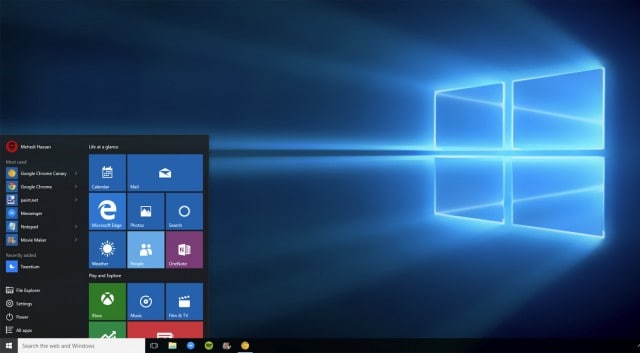
Windows Desktop
Explore the evolution and functionalities of the Windows Desktop, the user’s on-screen work area for managing tasks, files, and more. Learn how Windows Desktop has transformed from Windows 95 to Windows 10.