
The Editorial Team is a collective of technology enthusiasts, computer network engineers, and industry professionals dedicated to creating meticulously curated content for a diverse readership. With a combined experience spanning several decades, our team distills complex technology topics into clear, informative articles. Whether it’s networking fundamentals, cutting-edge AI insights, or in-depth guides on blockchain technology, the Editorial Team strives to provide reliable information that advances the understanding of technology for everyone from students to seasoned professionals.

Editorial Team’s mission
The Editorial Team’s mission extends beyond mere reporting; we aim to be the architects of understanding, constructing bridges over the rivers of jargon and complexity. From the foundational bricks of networking to the ever-evolving skies of cloud computing, we guide you through the technological labyrinth.
We take pride in our meticulous attention to detail and our unwavering commitment to accuracy, ensuring that each piece of information is a thread in the vast tapestry of technological knowledge. As we chart the course through the evolving landscape of technology, we invite our readers to join us on this exhilarating journey of discovery and growth. Together, we not only explore the current terrain of technology but also anticipate the horizons of tomorrow’s innovations.
Our Latest Articles
-
Central Office (CO)
Central Office is the main switching facility for a telco, providing access to the Plain Old Telephone Service (POTS), leased lines, and circuit-switched services that the telco offers to customers.
-
Switched Multimegabit Data Services (SMDS)
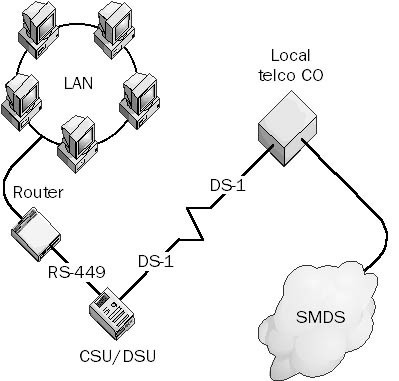
SMDS stands for Switched Multimegabit Data Services is a connectionless, packet-switched telecommunications service with speeds ranging from 56 Kbps to 34 Mbps.
-

Synchronous Optical Network (SONET)
SONET stands for Synchronous Optical Network is a physical layer specification for broadband synchronous transmission of voice, video, and data over long distances of fiber-optic cabling at speeds of more than 1 Gbps.
-
Understanding Data Source Name (DSN) in Database Management
DSN stands for Data Source Name, is a unique name used to create a data connection to a database using open database connectivity (ODBC).
-
Open Database Connectivity (ODBC)
ODBC stands for Open Database Connectivity is a Microsoft database technology that provides an application programming interface (API) that Microsoft Windows-based applications can use to access structured query language (SQL) databases.
-
Personal Communications Services (PCS)
Personal Communications Services is a general term for digital cellular phone technologies that are used for personal wireless mobile communication.
-
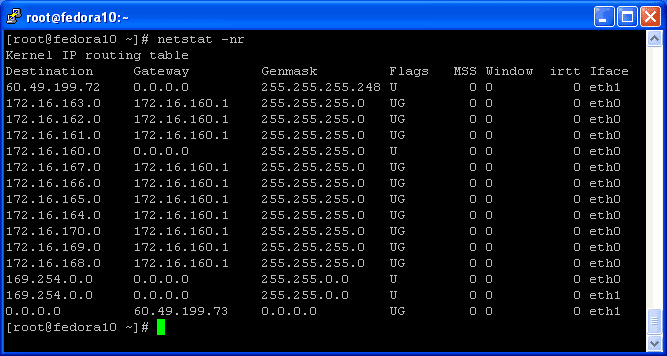
Routing Table
A Routing Table is an internal table that a computer or router uses to determine which router interface to send packets to, based on their destination network addresses.
-

Network Client: Understanding the Concept
Network Client is a software that runs on a client computer and allows it to establish connectivity with services running on server computers.
-
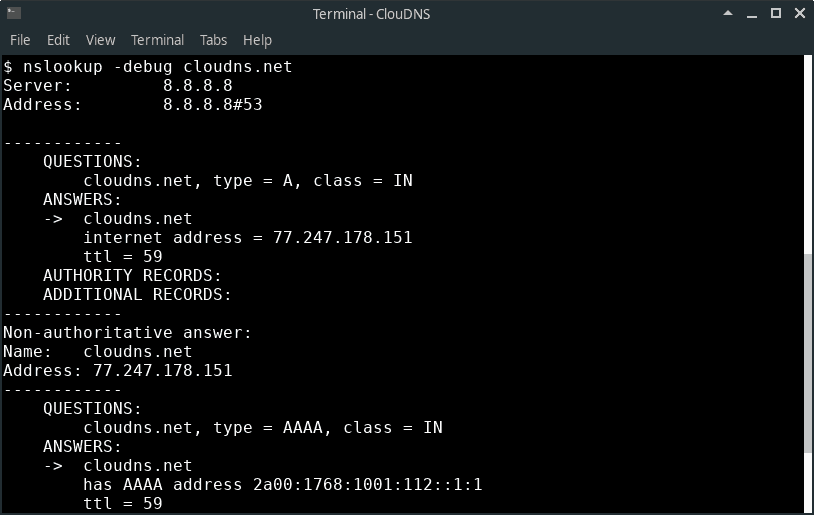
nslookup command
Nslookup is a TCP/IP utility on Microsoft Windows operating systems for diagnosing problems with name servers at the command prompt.
-

Network Access Point (NAP): Gateway to High-Speed Internet Connectivity
NAP stands for Network Access Point is a point at which sections of the Internet’s high-speed backbone are connected.
-
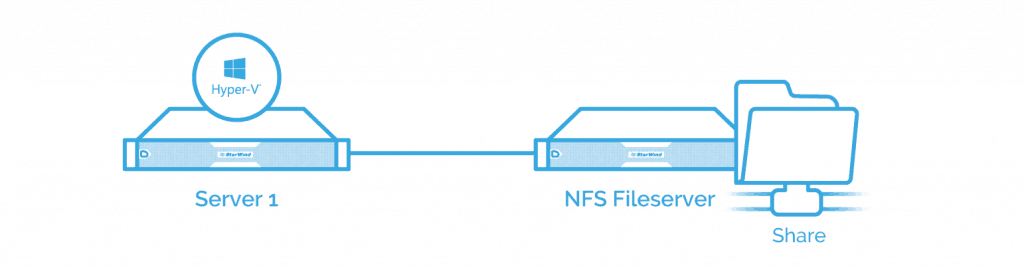
Network File System (NFS)
NFS stands for Network File System, is a client/server distributed file system developed by Sun Microsystems that has become the standard file system for various implementations of the UNIX platform.
-
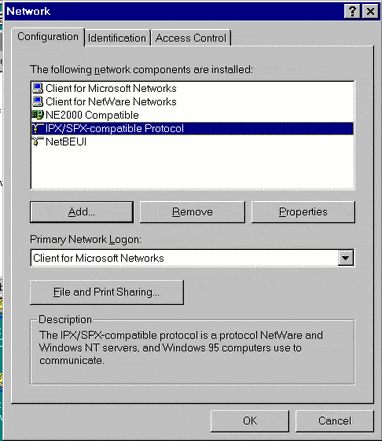
IPX/SPX – Compatible Protocol
IPX/SPX stands for Internetwork Packet Exchange/Sequenced Packet Exchange is a set of network protocols that provide packet switching and sequencing for small and large networks, used initially on networks using the Novell NetWare operating systems.