
The Editorial Team is a collective of technology enthusiasts, computer network engineers, and industry professionals dedicated to creating meticulously curated content for a diverse readership. With a combined experience spanning several decades, our team distills complex technology topics into clear, informative articles. Whether it’s networking fundamentals, cutting-edge AI insights, or in-depth guides on blockchain technology, the Editorial Team strives to provide reliable information that advances the understanding of technology for everyone from students to seasoned professionals.

Editorial Team’s mission
The Editorial Team’s mission extends beyond mere reporting; we aim to be the architects of understanding, constructing bridges over the rivers of jargon and complexity. From the foundational bricks of networking to the ever-evolving skies of cloud computing, we guide you through the technological labyrinth.
We take pride in our meticulous attention to detail and our unwavering commitment to accuracy, ensuring that each piece of information is a thread in the vast tapestry of technological knowledge. As we chart the course through the evolving landscape of technology, we invite our readers to join us on this exhilarating journey of discovery and growth. Together, we not only explore the current terrain of technology but also anticipate the horizons of tomorrow’s innovations.
Our Latest Articles
-
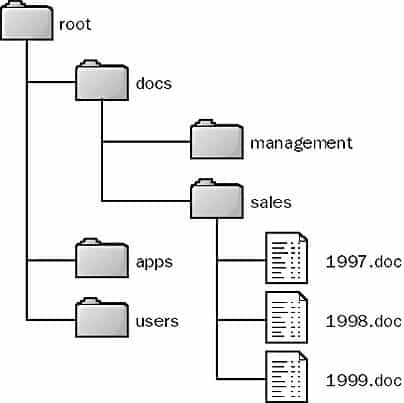
File System
File System is any technology for organizing, storing, and locating data on a system or network.
-
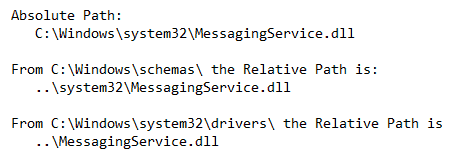
Relative Path
Relative Path is the hierarchical path that locates a file or folder on a file system starting from the current directory.
-
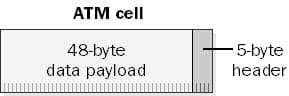
Cell in ATM
Cell in ATM is a 53-byte packet of data, the standard packet size used by Asynchronous Transfer Mode (ATM) communication technologies.
-
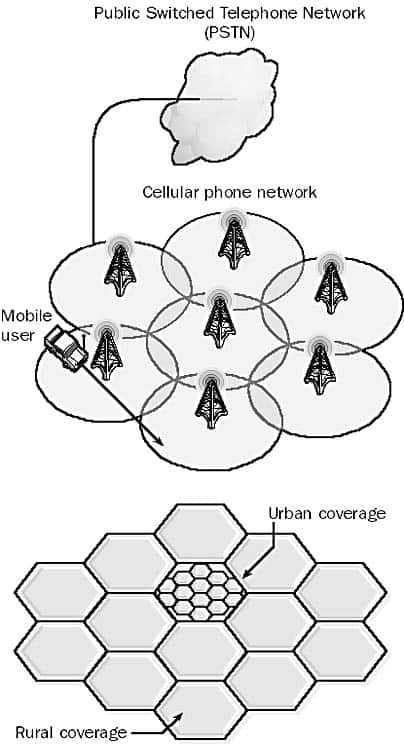
Cellular Phone Technology
Cellular Phone Technology is a general term for a series of different technologies that enable cell-based wireless communication.
-

IPv4
Master the world of IPv4 with this comprehensive guide. Explore its history, structure, working mechanisms, and more. Your one-stop resource on IPv4.
-
Network Address Translation (NAT)
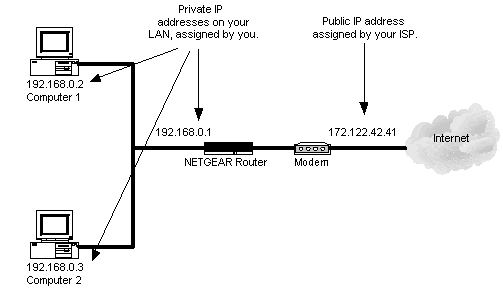
NAT stands for Network Address Translation is a form of packet filtering used in firewall products that protect a network from outside intrusion by hackers.
-
Routing and Remote Access Service (RRAS)
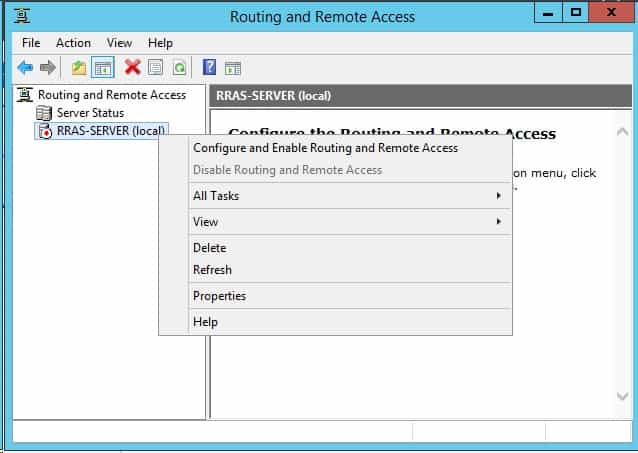
RRAS stands for Routing and Remote Access Service is a feature of Windows Server operating systems family that provides additional support for TCP/IP internetworking.
-
Dynamic Routing
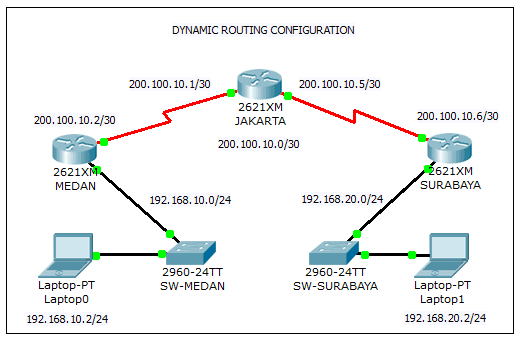
Dynamic Routing is a routing mechanism handled by a routing protocol, such as Routing Information Protocol (RIP) or Open Shortest Path First (OSPF) Protocol, that dynamically exchanges routing information among routers on an internetwork.
-

Static Routing: A Comprehensive Guide
Static Routing is a routing mechanism that is handled by the Internet Protocol (IP) and that depends on manually configured routing tables.
-

Optical Carrier (OC-x) Levels
Discover the intricate world of Optical Carrier Levels (OC-x), their role in SONET and ATM networks, and how they compare with the T-Carrier system. Learn about the modern technologies that have replaced these legacy systems.
-
Start of Authority (SOA) Record
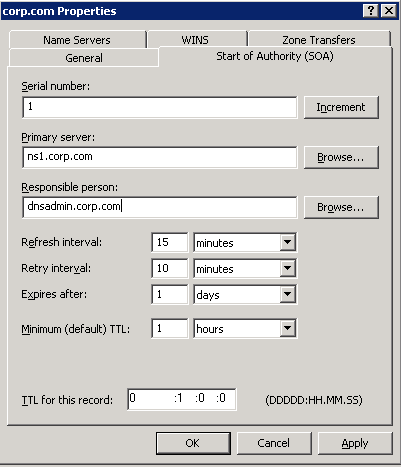
SOA Record stands for Start of Authority Record, is the first record in a zone file which defines the general properties of the zone for a name server.
-

Master Name Server: Understanding Its Role in DNS Architecture
Unravel the complexities of the Master Name Server in DNS systems, and explore its distinct role and differences from Primary Name Servers.