
The Editorial Team is a collective of technology enthusiasts, computer network engineers, and industry professionals dedicated to creating meticulously curated content for a diverse readership. With a combined experience spanning several decades, our team distills complex technology topics into clear, informative articles. Whether it’s networking fundamentals, cutting-edge AI insights, or in-depth guides on blockchain technology, the Editorial Team strives to provide reliable information that advances the understanding of technology for everyone from students to seasoned professionals.

Editorial Team’s mission
The Editorial Team’s mission extends beyond mere reporting; we aim to be the architects of understanding, constructing bridges over the rivers of jargon and complexity. From the foundational bricks of networking to the ever-evolving skies of cloud computing, we guide you through the technological labyrinth.
We take pride in our meticulous attention to detail and our unwavering commitment to accuracy, ensuring that each piece of information is a thread in the vast tapestry of technological knowledge. As we chart the course through the evolving landscape of technology, we invite our readers to join us on this exhilarating journey of discovery and growth. Together, we not only explore the current terrain of technology but also anticipate the horizons of tomorrow’s innovations.
Our Latest Articles
-
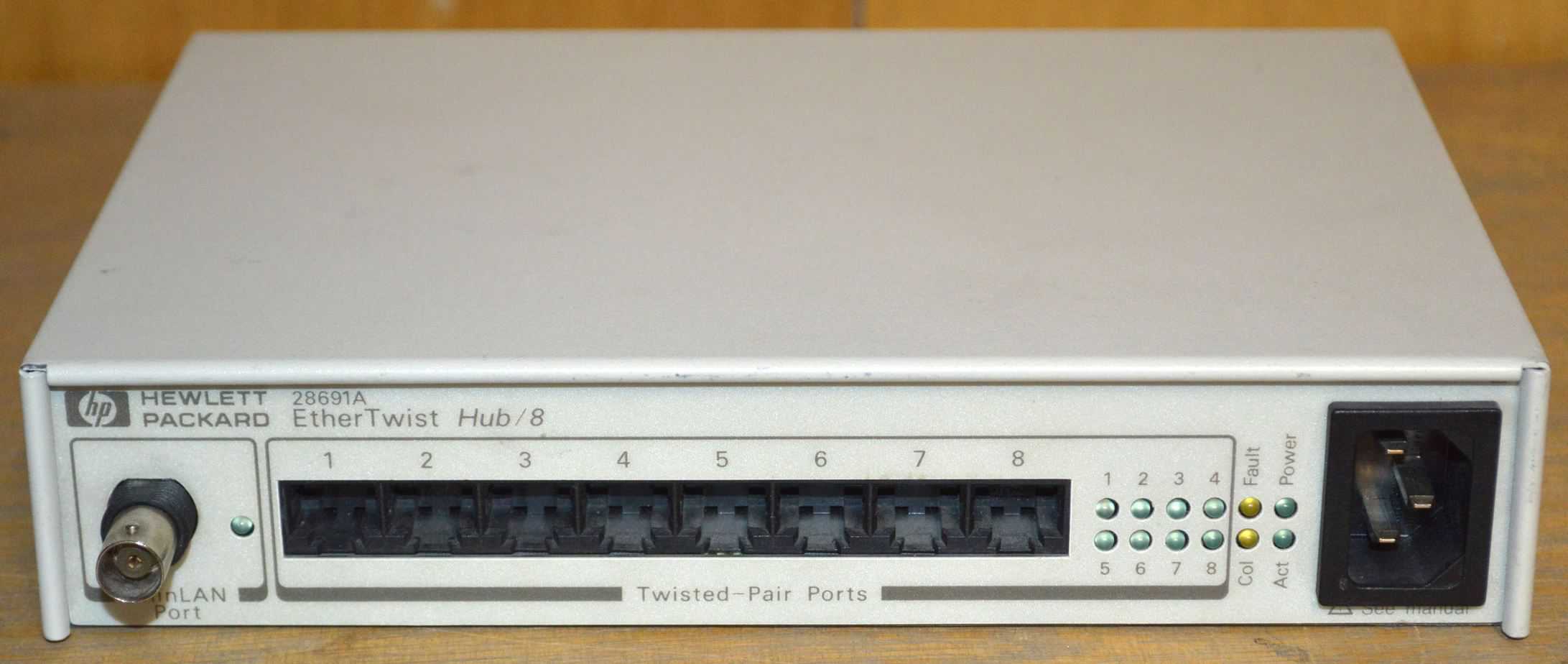
Hub
Hub also called a repeater hub, is the basic networking component used in traditional 10-Mbps Ethernet networks to connect network stations to form a local area network (LAN).
-
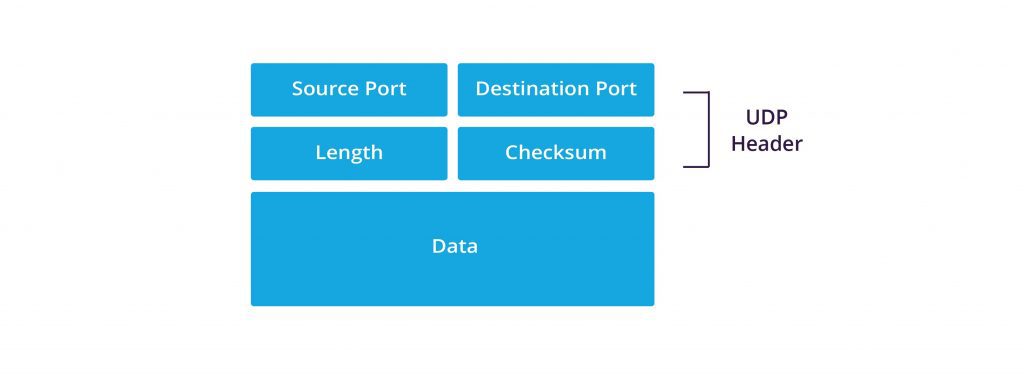
User Datagram Protocol (UDP)
User Datagram Protocol, known as UDP, is a TCP/IP transport layer protocol that supports unreliable, connectionless communication between hosts on a TCP/IP network.
-
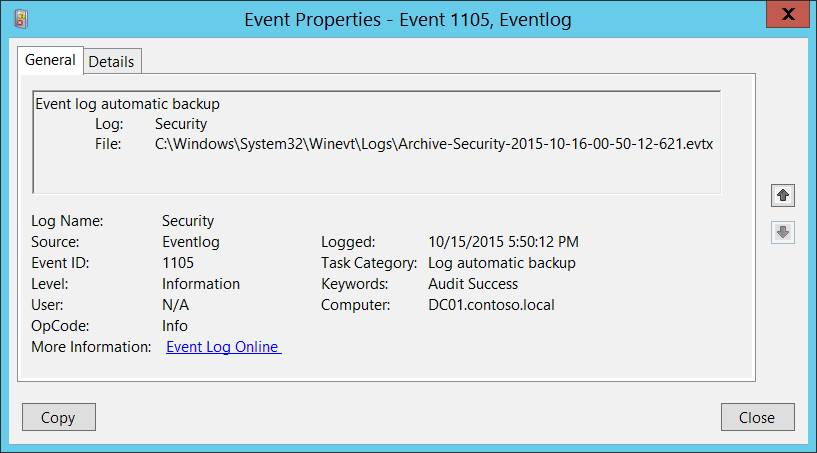
Security Log
Unravel the intricacies of the Windows OS Security Log. Explore its importance within the Event Viewer, alongside the System and Application Logs, and understand its role in bolstering system security.
-
System Log: A Comprehensive Guide
Dive deep into the Windows System Log: understand its functions, navigate Event Viewer, and leverage logs for optimal system management.
-
Online Analytical Processing (OLAP)
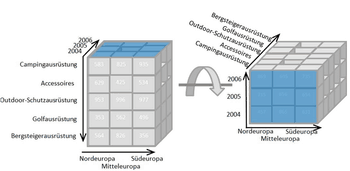
Online Analytical Processing, also known as OLAP, is a technology that allows users to perform sophisticated data analysis on typically large amounts of enterprise data to gain insight on the information it contains.
-
OLE DB
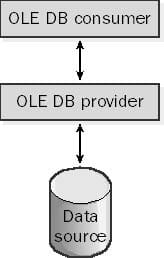
OLE DB is a set of open, extensible interfaces developed by Microsoft and based on OLE/COM technologies for providing applications with uniform methods of data access in diverse data sources.
-
Event Viewer
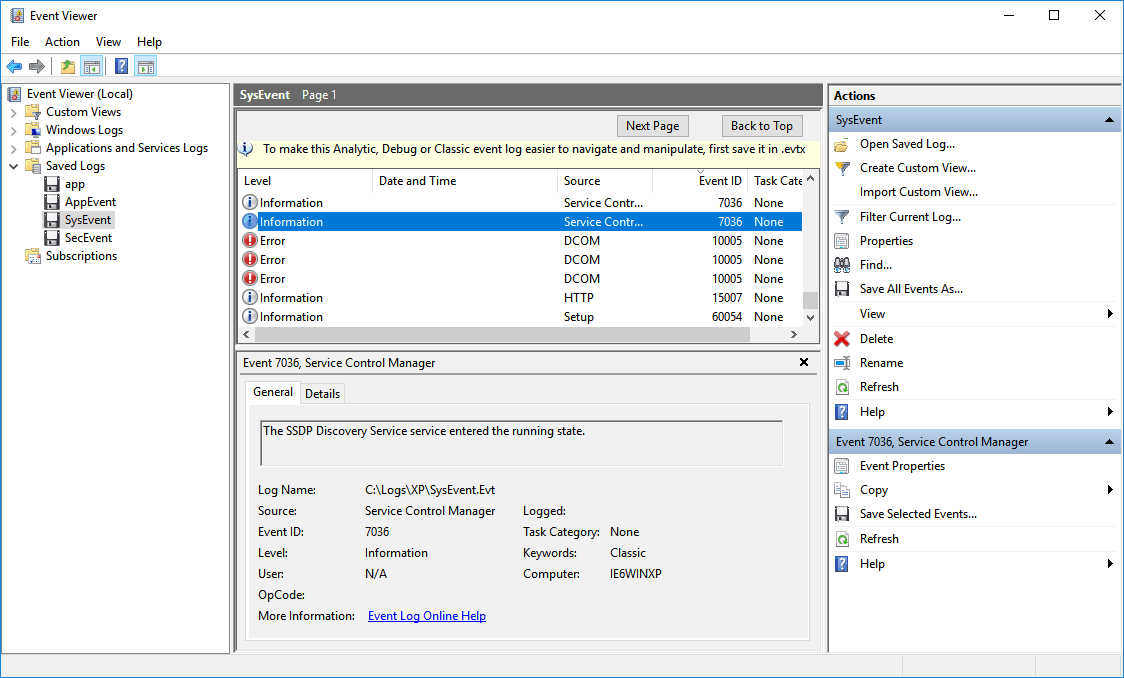
The Event Viewer is a Microsoft Management Console (MMC) snap-in that enables you to browse and manage event logs.
-

Common Internet File System (CIFS): Network File Sharing Made Easy
Unlock the capabilities of CIFS, the protocol at the heart of network file sharing and collaboration. Dive into its functionalities, uses, and impact.
-

Server Message Block (SMB): Beyond File Sharing
Server Message Block, also known as SMB, is a high-level file-sharing protocol jointly developed by Microsoft, IBM, and Intel for passing data between computers on a network.
-

Subnetting Simplified: Mastering Network Division in TCP/IP
Subnetting is the process of partitioning a single TCP/IP network into a number of separate networks called subnets.
-
Mastering the Line Printer Queue (LPQ) Command in UNIX and Windows
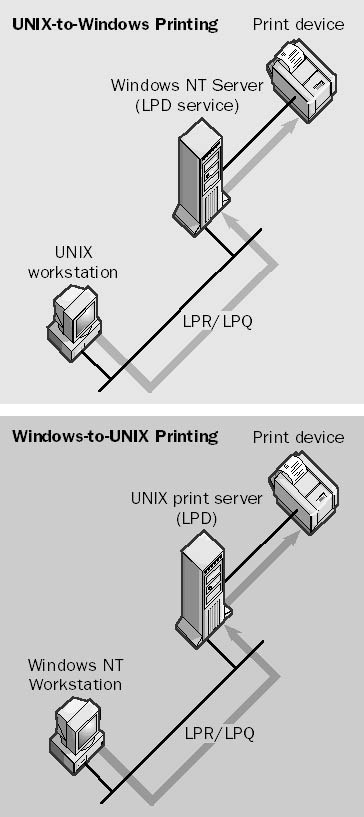
Dive deep into the LPQ command, a crucial tool for managing print queues in UNIX and Windows. Learn its functionalities, usage, and interoperability.
-
UNIX
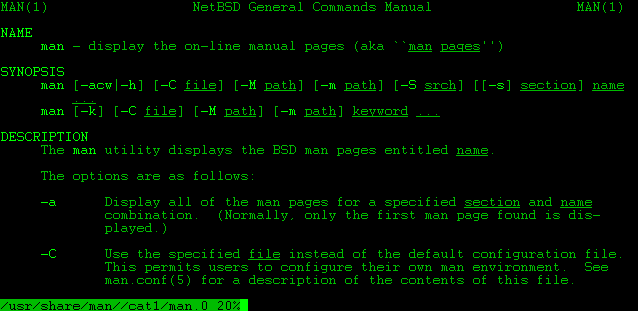
UNIX is an operating system developed at AT&T Bell Laboratories in 1969 and widely deployed today in the enterprise networking environment.