
The Editorial Team is a collective of technology enthusiasts, computer network engineers, and industry professionals dedicated to creating meticulously curated content for a diverse readership. With a combined experience spanning several decades, our team distills complex technology topics into clear, informative articles. Whether it’s networking fundamentals, cutting-edge AI insights, or in-depth guides on blockchain technology, the Editorial Team strives to provide reliable information that advances the understanding of technology for everyone from students to seasoned professionals.

Editorial Team’s mission
The Editorial Team’s mission extends beyond mere reporting; we aim to be the architects of understanding, constructing bridges over the rivers of jargon and complexity. From the foundational bricks of networking to the ever-evolving skies of cloud computing, we guide you through the technological labyrinth.
We take pride in our meticulous attention to detail and our unwavering commitment to accuracy, ensuring that each piece of information is a thread in the vast tapestry of technological knowledge. As we chart the course through the evolving landscape of technology, we invite our readers to join us on this exhilarating journey of discovery and growth. Together, we not only explore the current terrain of technology but also anticipate the horizons of tomorrow’s innovations.
Our Latest Articles
-
Connection Point Services (CPS)
Explore the functionalities and historical significance of Connection Point Services (CPS) in Microsoft RAS, and discover other meanings of the acronym CPS in networking.
-
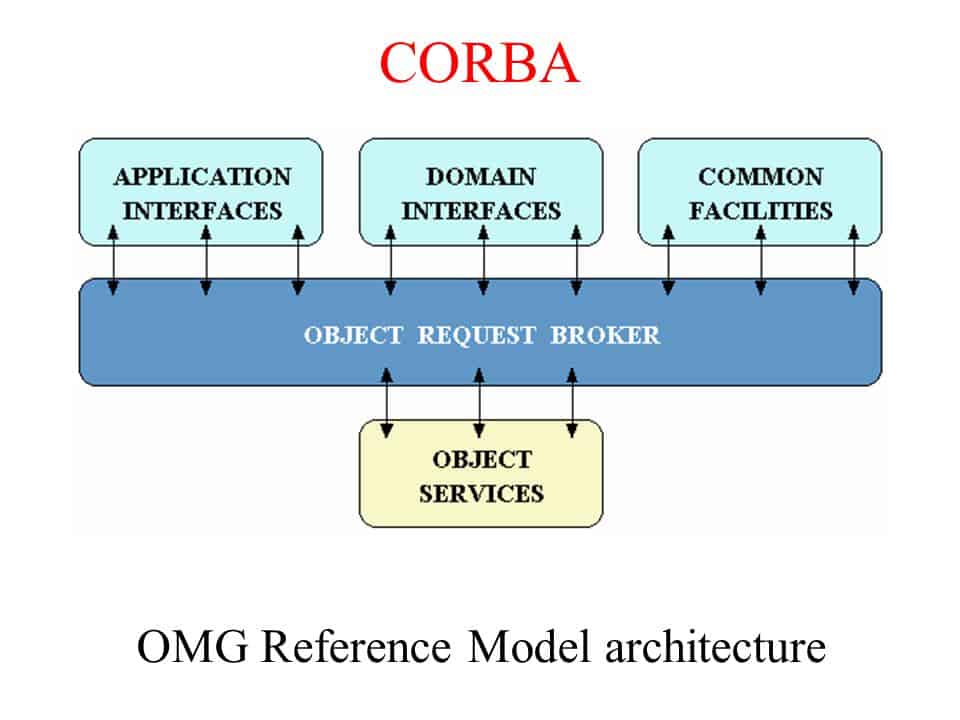
Common Object Request Broker Architecture (CORBA)
Common Object Request Broker Architecture, also known as CORBA, is a component architecture developed by the Object Management Group and its member companies that specify technologies for creating, distributing, and managing component programming objects over a network.
-
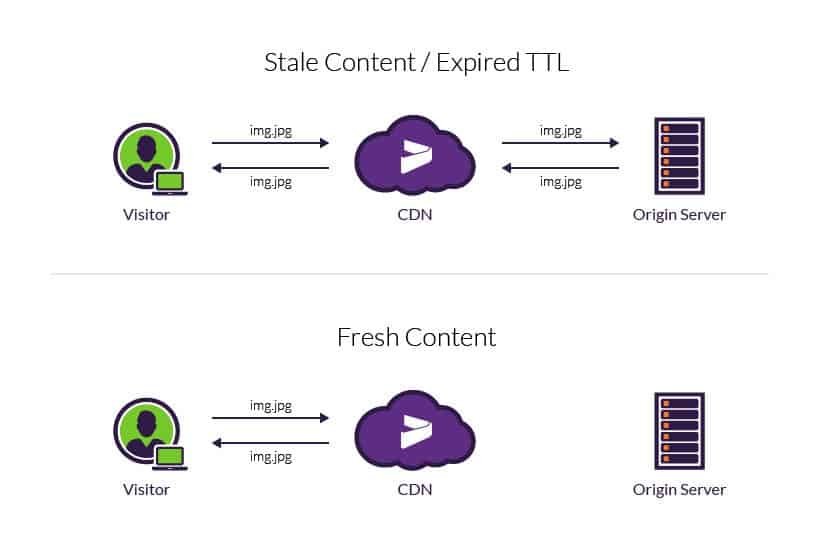
Time to Live (TTL)
Time to live, best known as TTL or Hop Limit, is a mechanism that limits the lifespan or lifetime of data in a computer or network. TTL may be implemented as a counter or timestamp attached to or embedded in the data.
-
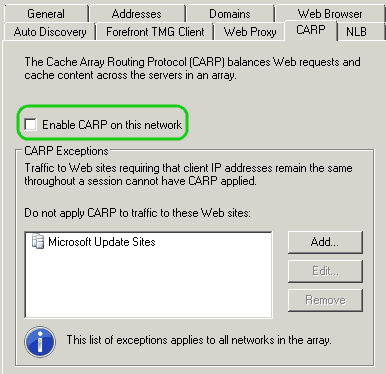
Caching Array Routing Protocol (CARP)
Caching Array Routing Protocol, also known as CARP, is a protocol developed by Microsoft and implemented in Microsoft Proxy Server that allows multiple proxy servers to be arrayed as a single logical cache for distributed content caching.
-

NetWare Protocols
NetWare protocols are the group of protocols developed for and specific to the Novell NetWare network operating system (NOS); popularized in NetWare versions 2 and 3. Some of the networking architecture of NetWare protocols evolved from the Xerox Network Systems (XNS) created in the late 1970s.
-

Novell NetWare: The Pioneering Network Operating System of the 1980s
NetWare was a network operating system from Novell that wass widely used in local area networks (LANs). NetWare was created by Novell in the early 1980s.
-
Windows 98
Windows 98 was Microsoft’s upgrade for users of Windows 95 and earlier versions of Microsoft Windows operating systems. With the code name Memphis, Windows 98 was released on June 25, 1998. Like its predecessor W95, Windows 98 was a hybrid 16-bit and 32-bit product with the boot stage based on MS-DOS. Windows 98 new features…
-
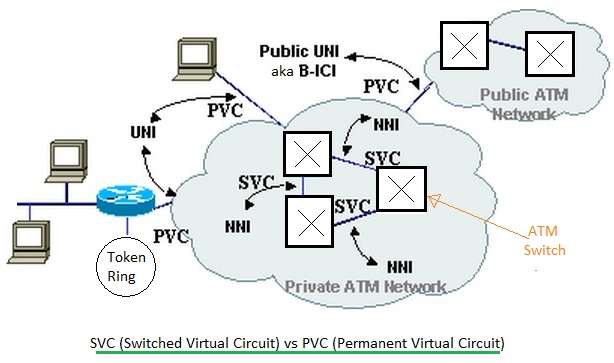
Navigating Switched Virtual Circuits: The SVC Guide
Switched Virtual Circuit, also known as SVC, is a form of telecommunications service that provides a path between two nodes in a packet-switched network.
-
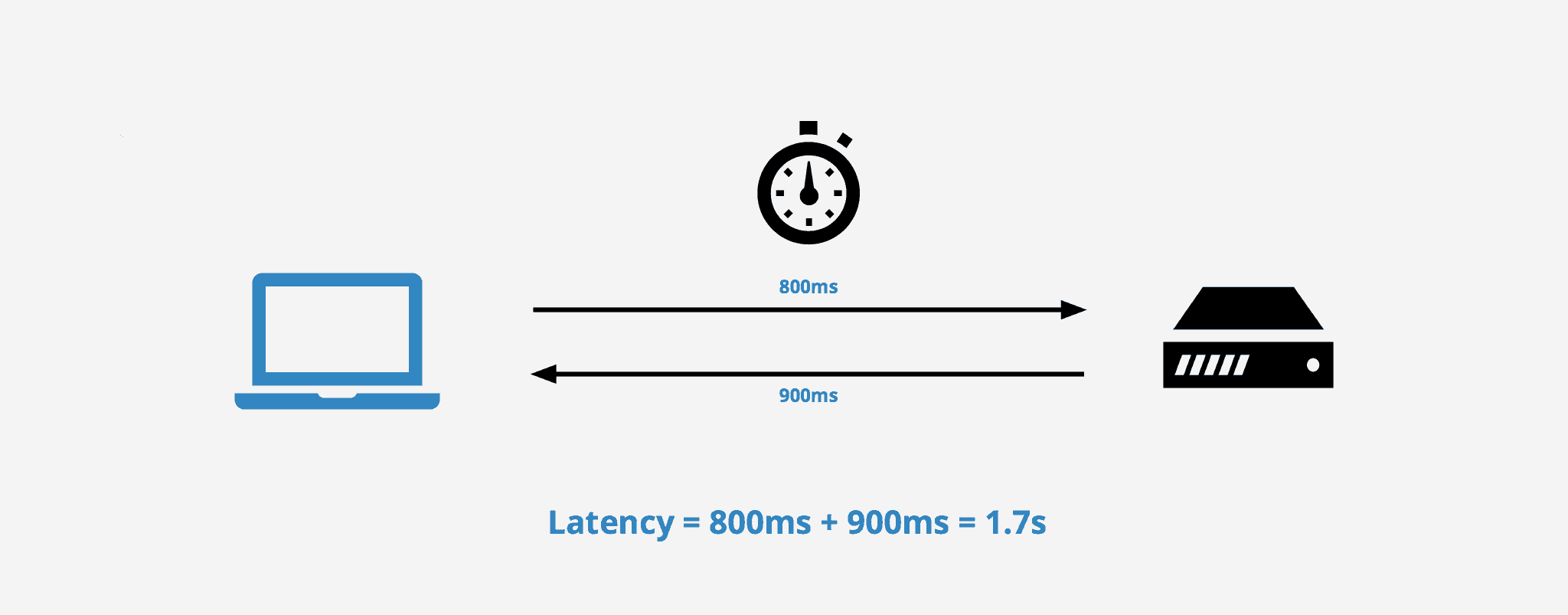
Latency
In this article we delve deeper into what latency is, its implications, its primary causes, and potential solutions.
-
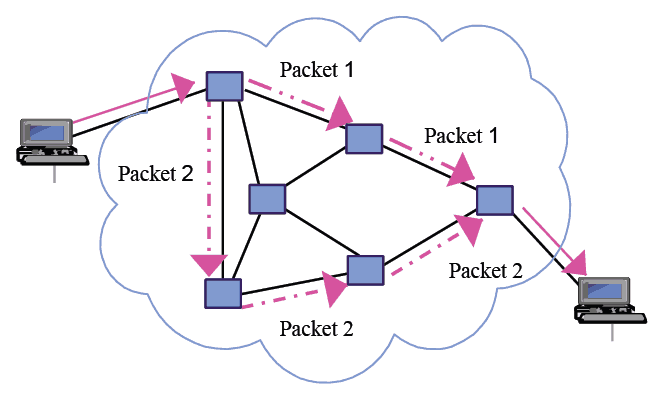
Packet Switching
Packet Switching is the process by which a networking or telecommunications device accepts a packet and switches it to a telecommunications device that will take it closer to its destination. (Learn More)
-
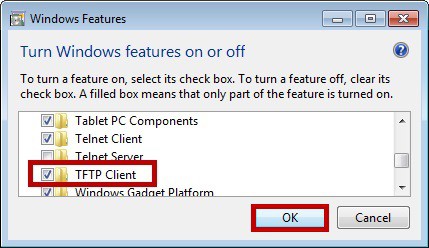
TFTP (Trivial File Transfer Protocol)
Explore TFTP: A concise guide to Trivial File Transfer Protocol, its functions, implementations, and modern network applications.
-
SQL Server Tools
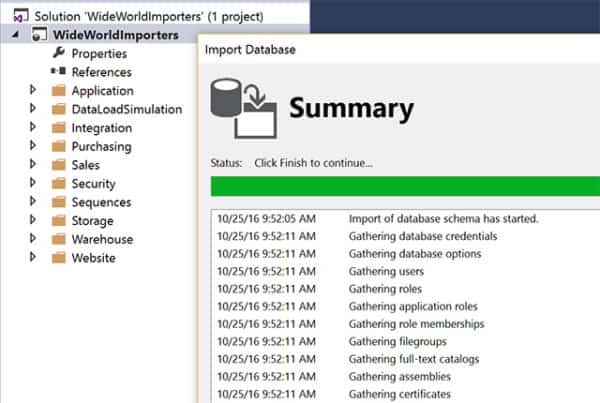
SQL developer tools Azure Data Studio Azure Data Studio is a cross-platform database tool for data professionals using the Microsoft family of on-premises and cloud data platforms on Windows, MacOS, and Linux. Previously released under the preview name SQL Operations Studio, Azure Data Studio offers a modern editor experience with IntelliSense, code snippets, source control…