
The Editorial Team is a collective of technology enthusiasts, computer network engineers, and industry professionals dedicated to creating meticulously curated content for a diverse readership. With a combined experience spanning several decades, our team distills complex technology topics into clear, informative articles. Whether it’s networking fundamentals, cutting-edge AI insights, or in-depth guides on blockchain technology, the Editorial Team strives to provide reliable information that advances the understanding of technology for everyone from students to seasoned professionals.

Editorial Team’s mission
The Editorial Team’s mission extends beyond mere reporting; we aim to be the architects of understanding, constructing bridges over the rivers of jargon and complexity. From the foundational bricks of networking to the ever-evolving skies of cloud computing, we guide you through the technological labyrinth.
We take pride in our meticulous attention to detail and our unwavering commitment to accuracy, ensuring that each piece of information is a thread in the vast tapestry of technological knowledge. As we chart the course through the evolving landscape of technology, we invite our readers to join us on this exhilarating journey of discovery and growth. Together, we not only explore the current terrain of technology but also anticipate the horizons of tomorrow’s innovations.
Our Latest Articles
-
Collaboration Data Objects (CDO)
Unlock the enigma of Microsoft’s Collaboration Data Objects (CDO) in this comprehensive guide. Explore its evolution, modern alternatives, and where it’s still relevant today. A must-read for IT professionals and enthusiasts.
-
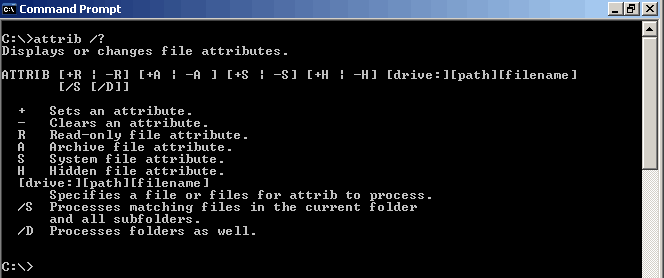
Attrib Command
ATTRIB is a Microsoft Windows command that can be used to display and modify the attributes of files and directories. You can use the attrib command to display and modify the archive, system, hidden, and read-only attributes that can be assigned to files and directories.
-
ALIAS Meaning in Computer Networking
Explore the diverse applications of the term “ALIAS” in the realms of computer networking and technology. From UNIX commands to email management, learn how aliases simplify complex processes and improve efficiency.
-
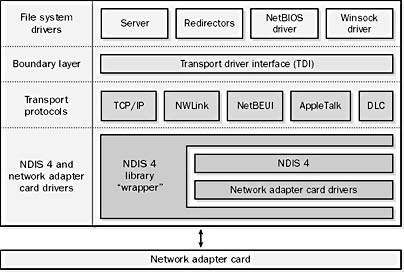
I/O Manager
Explore the pivotal role of the I/O Manager in the Windows OS architecture. From facilitating file operations to device management, learn how it serves as the linchpin for all Input/Output activities.
-

NDIS: Unveiling the Network Driver Interface Specification
Network Driver Interface Specification, also known as NDIS, is a standard or specification that simplifies the process of writing drivers for network interface cards (NICs) and enables them to interact transparently with various transport protocols.
-

NWLink IPX/SPX-Compatible Transport
Dive into the world of NWLink IPX/SPX-Compatible Transport, exploring its significance in networking, features, and legacy impact.
-
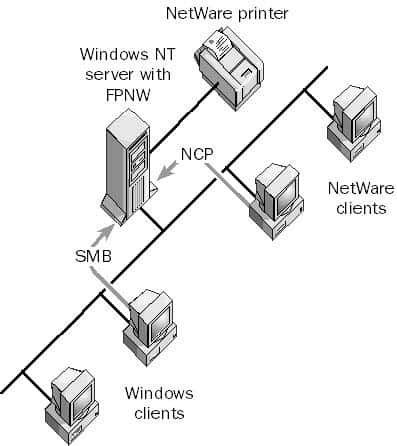
File and Print Services for NetWare (FPNW)
FPNW is a Microsoft Windows NT and Windows 2000 add-on utility that enables a server running Windows NT or Windows 2000 to allow NetWare client machines to access resources on a server running Microsoft Windows NT
-
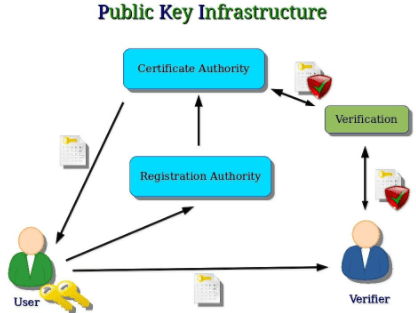
Public Key Infrastructure (PKI)
Public Key Infrastructure, also known as PKI, is a set of services that support the use of public-key cryptography in a corporate or public setting. A public key infrastructure (PKI) enables key pairs to be generated, securely stored, and securely transmitted to users so that users can send encrypted transmissions and digital signatures over distrusted…
-

Digital Signature
Digital Signature is an electronic signature that you can use to sign a document being transmitted by electronic means such as e-mail. Digital signatures validate the identity of the sender and ensure that the document they are attached to has not been altered by unauthorized parties during the transmission.
-

Linux
Linux is an operating system derived from the UNIX family of operating systems that is POSIX-compliant and freely distributed through many sites on the Internet. Linux was developed in 1991 by a student from Finland named Linus Torvalds, who still controls the development of the Linux operating system kernel.
-
![NS Record [DNS System]](https://test.fikaki.com/wp-content/uploads/2019/10/ns-record-dns-system.webp)
NS Record [DNS System]
Explore the intricacies of NS Records, a type of DNS resource record vital for identifying name servers. Learn how it interacts with other DNS components like A Records, MX Records, and more.
-
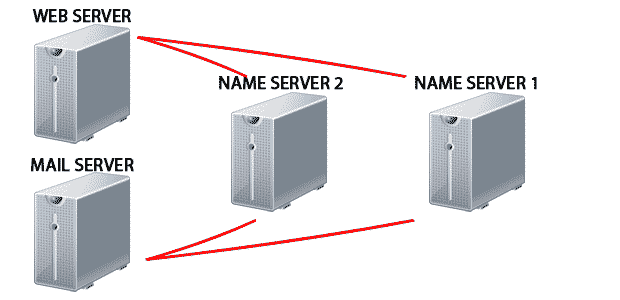
Name Server
Name Server is a host on the Internet or on a TCP/IP internetwork that can be used to resolve host names into IP addresses. Name servers are an essential component of the Domain Name System (DNS), which provides the namespace of all hosts on the Internet or on a private TCP/IP internetwork.