
The Editorial Team is a collective of technology enthusiasts, computer network engineers, and industry professionals dedicated to creating meticulously curated content for a diverse readership. With a combined experience spanning several decades, our team distills complex technology topics into clear, informative articles. Whether it’s networking fundamentals, cutting-edge AI insights, or in-depth guides on blockchain technology, the Editorial Team strives to provide reliable information that advances the understanding of technology for everyone from students to seasoned professionals.

Editorial Team’s mission
The Editorial Team’s mission extends beyond mere reporting; we aim to be the architects of understanding, constructing bridges over the rivers of jargon and complexity. From the foundational bricks of networking to the ever-evolving skies of cloud computing, we guide you through the technological labyrinth.
We take pride in our meticulous attention to detail and our unwavering commitment to accuracy, ensuring that each piece of information is a thread in the vast tapestry of technological knowledge. As we chart the course through the evolving landscape of technology, we invite our readers to join us on this exhilarating journey of discovery and growth. Together, we not only explore the current terrain of technology but also anticipate the horizons of tomorrow’s innovations.
Our Latest Articles
-

Access Mask: Managing Permissions and Access Control
Explore the evolution and functionality of access masks in contemporary OS environments, including Windows and Linux.
-
![Access Control Entry (ACE) [Active Directory]](https://test.fikaki.com/wp-content/uploads/2019/08/ace.jpg)
Access Control Entry (ACE) [Active Directory]
Delve into the comprehensive guide on Access Control Entries (ACE) in Windows Active Directory. Understand what ACEs are, their types, and their role in DACLs and SACLs, enriched with real-world examples.
-

Access Token: The Digital Kingdom Key
Explore the multifaceted world of Access Tokens: unraveling their role in Windows security and diverse applications in computer networking.
-
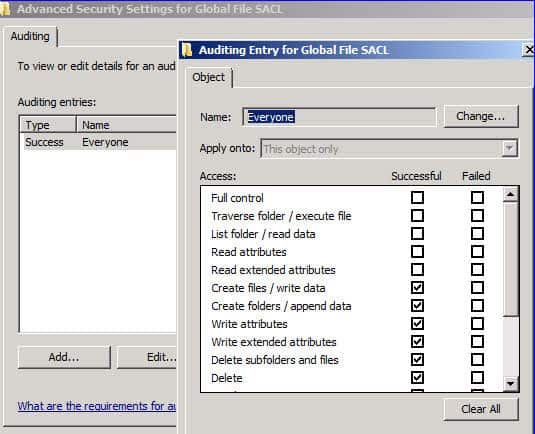
Access Control List (ACL)
An Access Control List (ACL), is any mechanism for implementing access control on an operating system, file system, directory service, or other software.
-
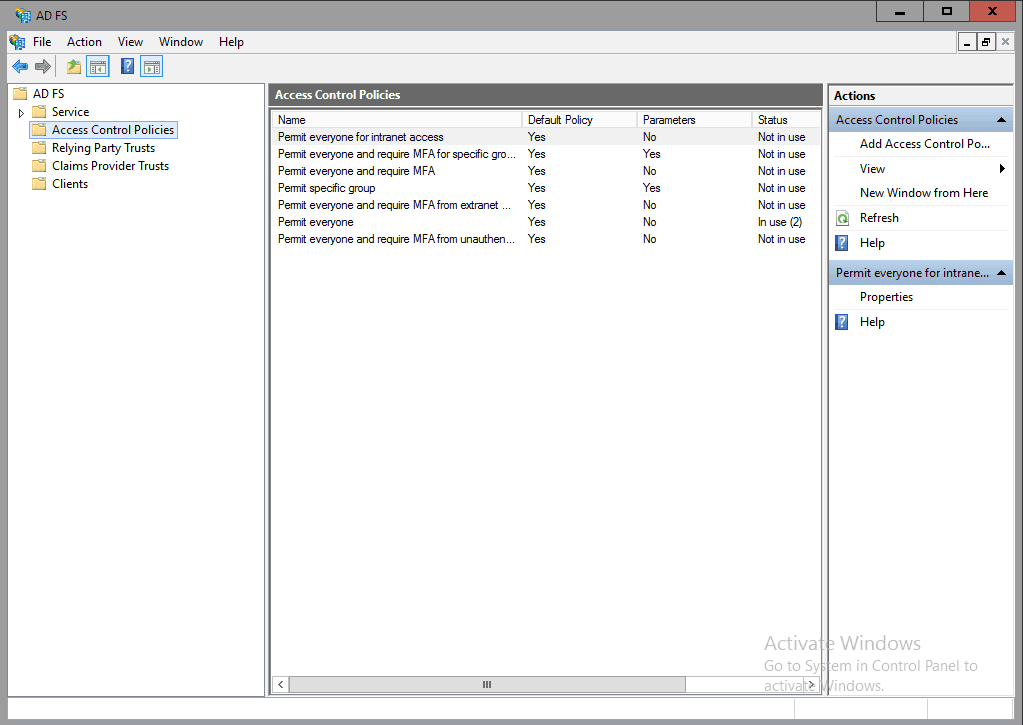
Access Control
Access Control is a general term describing how administrators can secure access to objects in Active Directory.
-

Network Access Control (NAC) – Securing the Modern Network
Explore the critical role of Network Access Control (NAC) in enhancing network security. Learn about its features, deployment strategies, and future trends.
-

Acceptable Use Policy
Acceptable Use Policy is a policy created by management to specify acceptable usage for corporate network services as well as the consequences of violating these standards.
-
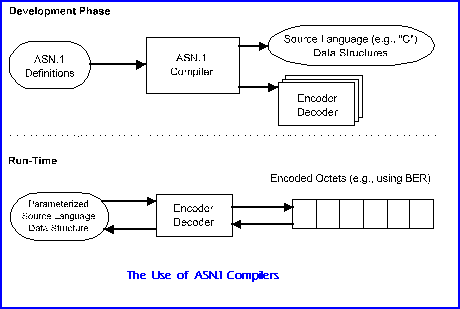
ASN.1 – Abstract Syntax Notation One
ASN.1 is an ISO standard that provides a mechanism for encoding human-readable symbols into condensed binary form.
-

Absolute Path: Navigating Computing Systems
Absolute Path is the hierarchical path that locates a file or folder in a file system starting from the root. The absolute path of a file enables the location of the file to be precisely specified, independent of where the user’s current directory is located.
-
![Address Record (A Record) [DNS]](https://test.fikaki.com/wp-content/uploads/2019/08/dns-manager-address-record.png)
Address Record (A Record) [DNS]
Unlock the essentials of A Records in DNS. This comprehensive guide covers what an A Record is, how it works, its practical uses, and common configurations. Make DNS work for you.
-
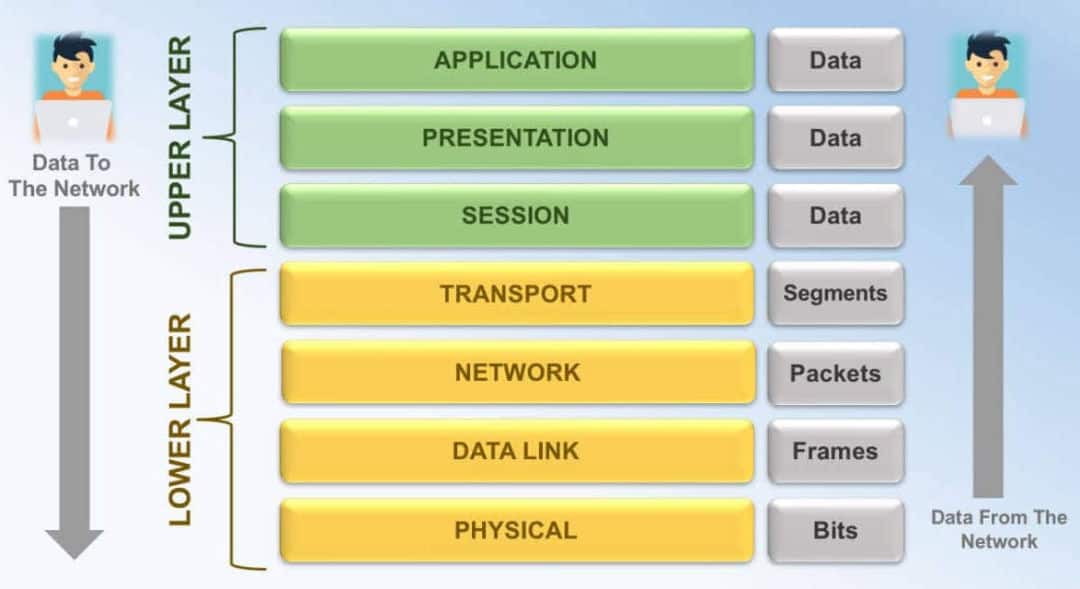
OSI Model
OSI – An architectural model for open networking systems that was developed by the International Organization for Standardization (ISO) in Europe in 1974.
-

Network Topology
Network Topology is the physical layout of computers, cables, switches, routers, and other components of a network. This term can also refer to the underlying network architecture, such as Ethernet or Token Ring.