
The Editorial Team is a collective of technology enthusiasts, computer network engineers, and industry professionals dedicated to creating meticulously curated content for a diverse readership. With a combined experience spanning several decades, our team distills complex technology topics into clear, informative articles. Whether it’s networking fundamentals, cutting-edge AI insights, or in-depth guides on blockchain technology, the Editorial Team strives to provide reliable information that advances the understanding of technology for everyone from students to seasoned professionals.

Editorial Team’s mission
The Editorial Team’s mission extends beyond mere reporting; we aim to be the architects of understanding, constructing bridges over the rivers of jargon and complexity. From the foundational bricks of networking to the ever-evolving skies of cloud computing, we guide you through the technological labyrinth.
We take pride in our meticulous attention to detail and our unwavering commitment to accuracy, ensuring that each piece of information is a thread in the vast tapestry of technological knowledge. As we chart the course through the evolving landscape of technology, we invite our readers to join us on this exhilarating journey of discovery and growth. Together, we not only explore the current terrain of technology but also anticipate the horizons of tomorrow’s innovations.
Our Latest Articles
-
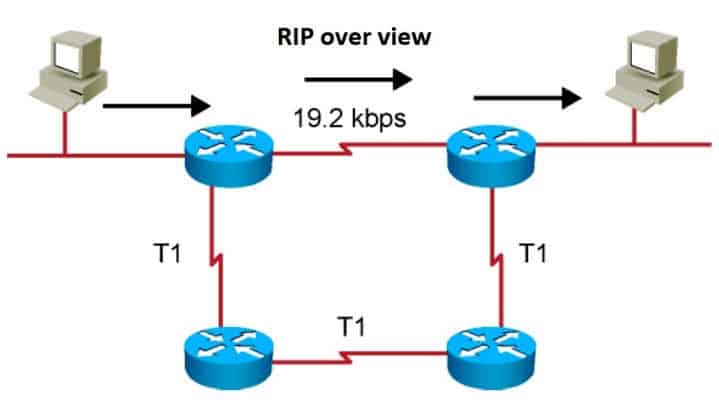
Routing Information Protocol (RIP)
RIP stands for Routing Information Protocol, is a routing protocol that is used to exchange routing information between dynamic routers on IP Protocol or IPX. You should read the article to fully understand this concept.
-
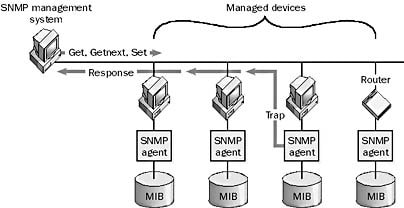
Simple Network Management Protocol (SNMP)
SNMP is an Internet-standard application layer (layer 7) protocol for exchanging device management information between network devices on a TCP/IP network.
-
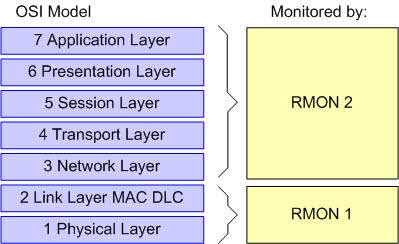
Remote Network Monitoring (RMON)
Remote Network Monitoring, or RMON, is an extension of the Simple Network Management Protocol (SNMP) that allows detailed monitoring of network statistics for Ethernet networks.
-

Point of Presence (POP)
Dive deep into the intricacies of Point of Presence (PoP). Unravel its definition, architecture, and significance in the vast networking landscape.
-
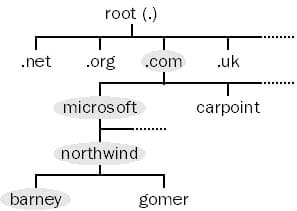
Domain Name System (DNS)
DNS, or Domain Name System, is a hierarchical system for identifying hosts on the Internet or on a private, corporate TCP/IP internetwork.
-
![PTR Record [DNS System]](https://test.fikaki.com/wp-content/uploads/2019/08/ptr-pointer.png)
PTR Record [DNS System]
Discover the role of PTR Records in DNS. Learn why they matter for email verification, system logging, and security, and how to manage them effectively.
-
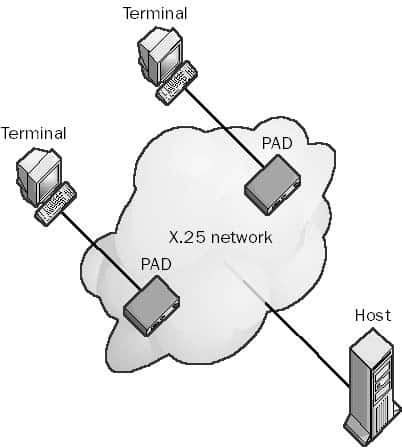
Packet Assembler/Disassembler (PAD)
PAD, stands for packet assembler-disassembler, is a telecommunications device that breaks a data stream into individual packets and formats the packet headers for asynchronous transmission over an X.25 network.
-
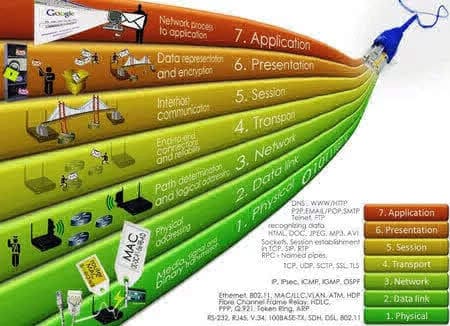
Open Systems Interconnection (OSI) reference model
OSI is an architectural model for open networking systems that was developed by the International Organization for Standardization (ISO) in Europe in 1974.
-
Object in Active Directory
Object is the basic element of Active Directory in Microsoft Windows Server family that represents something on the network, such as a user, a group, a computer, an application, a printer, or a shared folder.
-
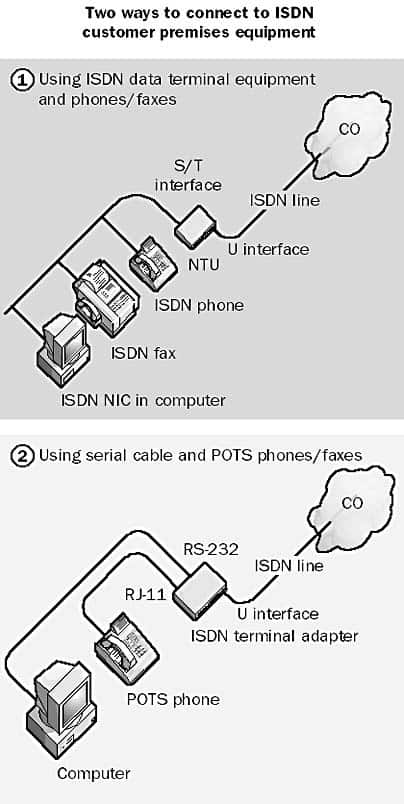
Integrated Services Digital Network (ISDN)
ISDN, Integrated Services Digital Network, is a digital communication service provided by telcos.
-

Network Termination Unit (NTU)
Network Termination Unit is a device for connecting digital ISDN customer premises equipment to ISDN lines allows customer premises equipment to be connected to the switching equipment at the telco’s central office.
-
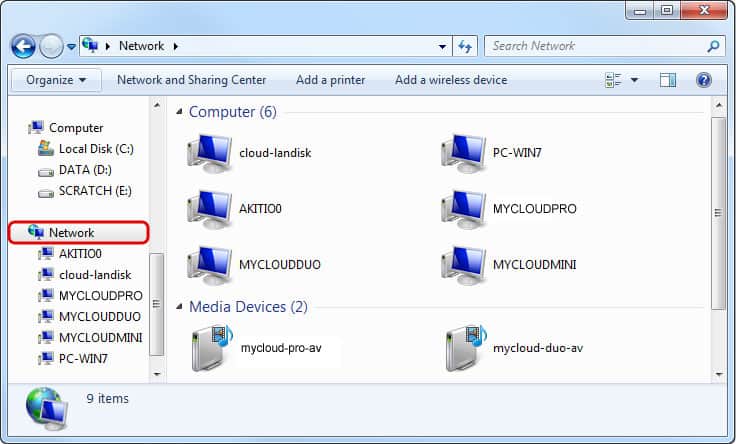
Network Neighborhood: Evolution and Relevance
Discover the legacy of Network Neighborhood in Windows OS, its evolution, and its lasting impact on today’s network understanding.