
The Editorial Team is a collective of technology enthusiasts, computer network engineers, and industry professionals dedicated to creating meticulously curated content for a diverse readership. With a combined experience spanning several decades, our team distills complex technology topics into clear, informative articles. Whether it’s networking fundamentals, cutting-edge AI insights, or in-depth guides on blockchain technology, the Editorial Team strives to provide reliable information that advances the understanding of technology for everyone from students to seasoned professionals.

Editorial Team’s mission
The Editorial Team’s mission extends beyond mere reporting; we aim to be the architects of understanding, constructing bridges over the rivers of jargon and complexity. From the foundational bricks of networking to the ever-evolving skies of cloud computing, we guide you through the technological labyrinth.
We take pride in our meticulous attention to detail and our unwavering commitment to accuracy, ensuring that each piece of information is a thread in the vast tapestry of technological knowledge. As we chart the course through the evolving landscape of technology, we invite our readers to join us on this exhilarating journey of discovery and growth. Together, we not only explore the current terrain of technology but also anticipate the horizons of tomorrow’s innovations.
Our Latest Articles
-

Point-to-Point (Networking)
Point-to-Point is a form of communication that provides a direct path from one fixed point to another.
-
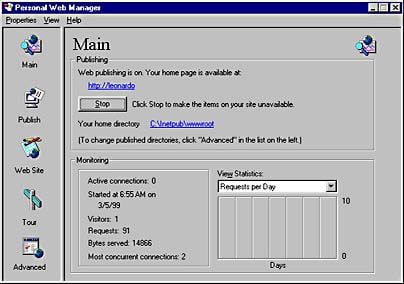
Microsoft Personal Web Server (PWS)
PWS (Microsoft Personal Web Server) is a workgroup-level Web server that is installed instead of the full Internet Information Server (IIS) version 4 when IIS is installed on a machine running Microsoft Windows NT Workstation, Windows 95, or Windows 98.
-
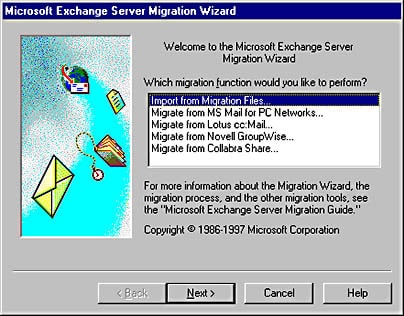
Migration Wizard (Exchange)
Migration Wizard is a tool in Microsoft Exchange Server for migrating mail users from other mail systems to Exchange.
-
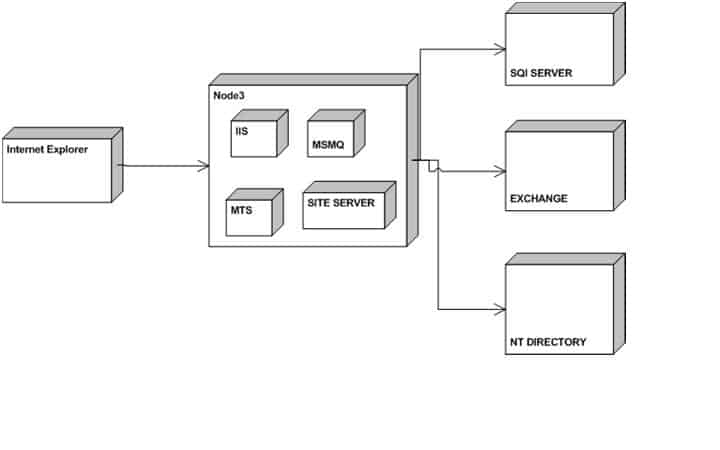
Microsoft Windows Distributed interNet Applications (DNA) Architecture
Windows DNA Architecture is an application development model from Microsoft for highly adaptable business solutions that use Microsoft’s digital nervous system paradigm.
-

Windows Backup: File History
Windows Backup is the procedure of securing your data when you run a Microsoft Windows Operating System. How to Backup in Windows 10.
-
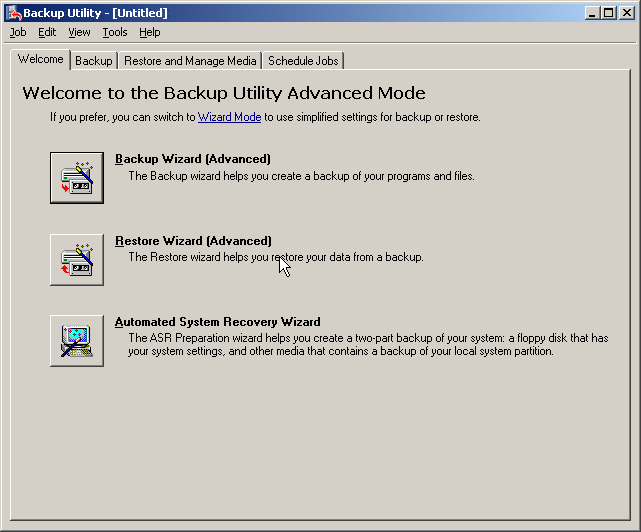
Windows NT Backup
Windows NT Backup (NTBackup) was a Microsoft Windows NT utility for backing up and restoring important data to tape.
-
Backup Domain Controller (BDC)
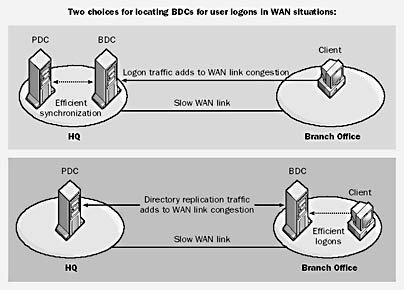
A Backup Domain Controller is a Microsoft Windows NT domain controller containing a read-only copy of the master domain directory database located on the primary domain controller (PDC).
-
Border Gateway Protocol (BGP)
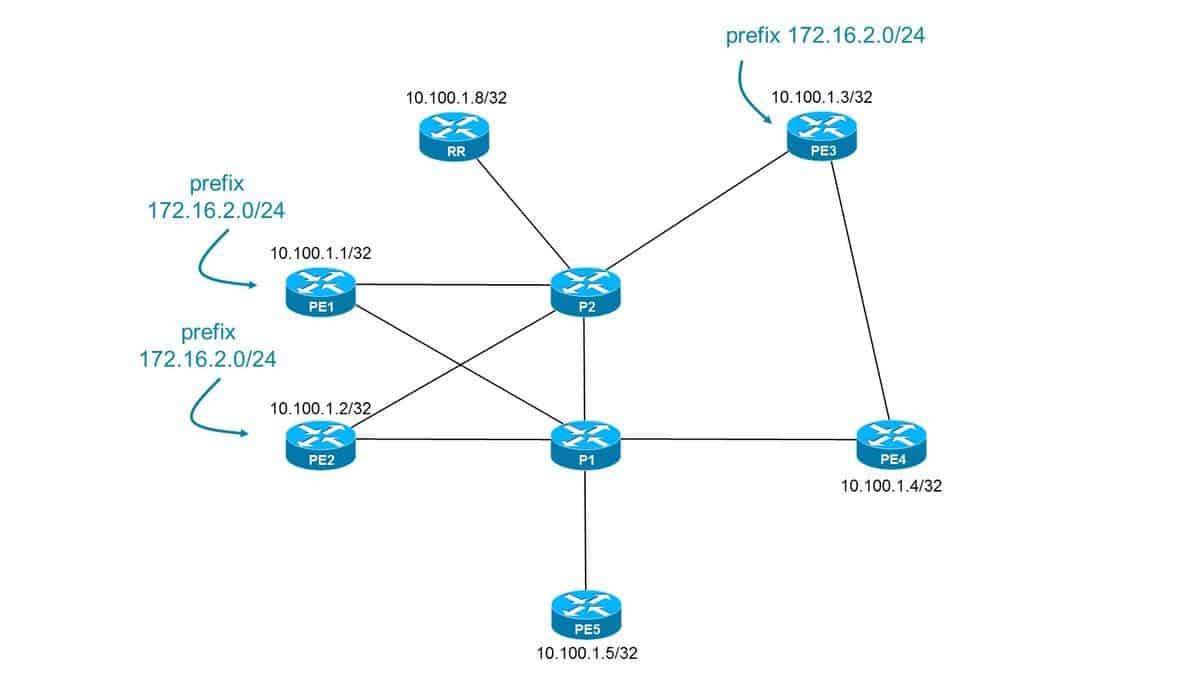
BGP (Border Gateway Protocol) is a standard TCP/IP protocol based on the distance-vector routing algorithm that enables groups of routers to share their routing information in an efficient manner.
-

Breakout Box
Breakout Box is a troubleshooting tool used to determine the wiring of an RS-232 interface on a networking device or computer.
-
Built-in Account
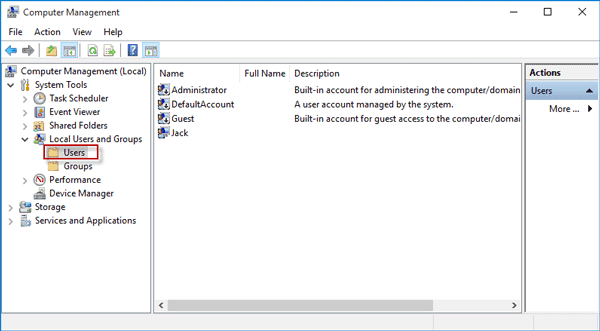
Built-in Account is a type of user account that is created during installation.
-
Built-in Local Group
Built-in Local Group is a Microsoft Windows local group created during installation that has preassigned rights and permissions.
-

Broadcast Storm
Broadcast Storm is a network condition in which so many broadcasts are occurring (for example, for address verification purposes) that normal communication is disrupted.