
The Editorial Team is a collective of technology enthusiasts, computer network engineers, and industry professionals dedicated to creating meticulously curated content for a diverse readership. With a combined experience spanning several decades, our team distills complex technology topics into clear, informative articles. Whether it’s networking fundamentals, cutting-edge AI insights, or in-depth guides on blockchain technology, the Editorial Team strives to provide reliable information that advances the understanding of technology for everyone from students to seasoned professionals.

Editorial Team’s mission
The Editorial Team’s mission extends beyond mere reporting; we aim to be the architects of understanding, constructing bridges over the rivers of jargon and complexity. From the foundational bricks of networking to the ever-evolving skies of cloud computing, we guide you through the technological labyrinth.
We take pride in our meticulous attention to detail and our unwavering commitment to accuracy, ensuring that each piece of information is a thread in the vast tapestry of technological knowledge. As we chart the course through the evolving landscape of technology, we invite our readers to join us on this exhilarating journey of discovery and growth. Together, we not only explore the current terrain of technology but also anticipate the horizons of tomorrow’s innovations.
Our Latest Articles
-

Keyboard Emulator
Discover the historical role of Keyboard Emulators in server management. Learn what they were, why they were essential, and how tech advancements have rendered them obsolete.
-
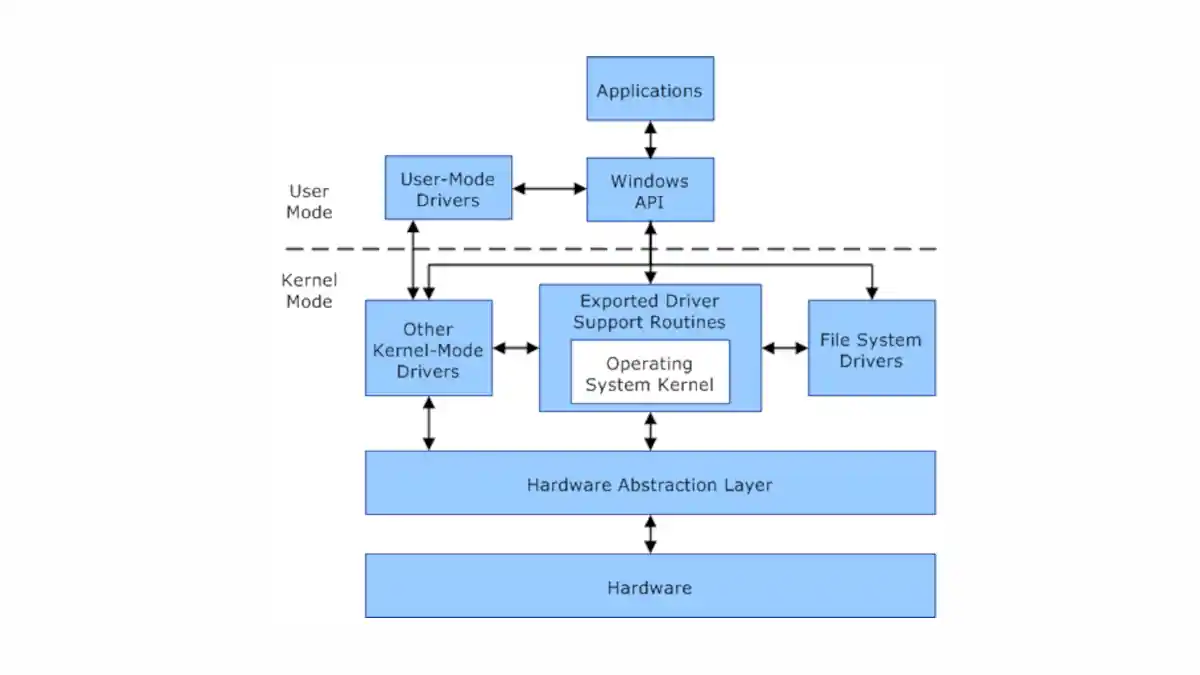
Kernel Mode
Unlock the mysteries of Kernel Mode in Windows OS. Learn its functionalities, differences from User Mode, and its role in system performance and security.
-
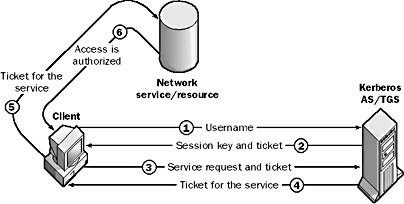
Kerberos v5 Security Protocol
Kerberos Protocol is a method of securely authenticating users’ requests for access to services on a network.
-

Keepalives: Enhancing Efficiency
Keepalives is a feature of Hypertext Transfer Protocol (HTTP) version 1.1 that minimizes the number of connections that Web browsers need to make to access content on Web servers.
-

Y Splitter in Networking: Expand Your Connections
Explore the essential role of Y Splitters in computer networking, from Ethernet to fiber optics, and how they expand connectivity options.
-

Y-connector
Dive deep into the utility and functionality of Y-connectors—adapters that bridge a single device to multiple outlets. Learn about various types such as RJ-11, SCSI, and more, as well as their advantages, limitations, and potential applications.
-
Remote Boot: A Comprehensive Guide
Discover the Remote Boot technology, its use cases, and how it differs from Local Boot. Ideal for tech enthusiasts and professionals alike. Learn also what the Remoteboot Service (Windows NT service) was.
-

Understanding RADIUS: Remote Authentication Dial-In User Service
RADIUS is a protocol for authentication, authorization, and accounting of remote access connections using dial-up networking and virtual private network (VPN) functionality.
-

Registration Authority
Registration Authority is a company or organization that is responsible for receiving and validating requests for digital certificates and public/private key pairs.
-
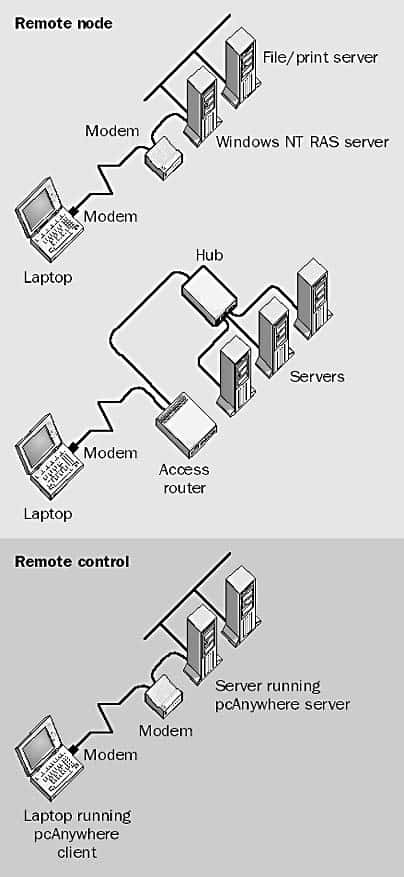
Remote Access to a Network
What is Remote Access to a Network and how does it work?
-
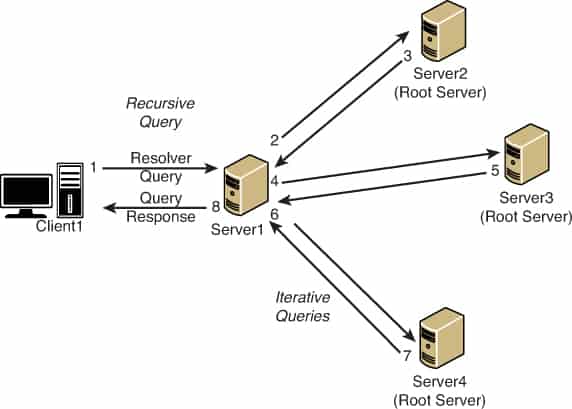
Recursive Query
Explore the concept of Recursive Queries in DNS, where resolvers seek complete answers from name servers, essential for web navigation.
-

Iterative Query Decoded: Navigating the DNS Resolution Process
Iterative Query is a DNS query in which a name server contacts a second name server to perform a name lookup.