
The Editorial Team is a collective of technology enthusiasts, computer network engineers, and industry professionals dedicated to creating meticulously curated content for a diverse readership. With a combined experience spanning several decades, our team distills complex technology topics into clear, informative articles. Whether it’s networking fundamentals, cutting-edge AI insights, or in-depth guides on blockchain technology, the Editorial Team strives to provide reliable information that advances the understanding of technology for everyone from students to seasoned professionals.

Editorial Team’s mission
The Editorial Team’s mission extends beyond mere reporting; we aim to be the architects of understanding, constructing bridges over the rivers of jargon and complexity. From the foundational bricks of networking to the ever-evolving skies of cloud computing, we guide you through the technological labyrinth.
We take pride in our meticulous attention to detail and our unwavering commitment to accuracy, ensuring that each piece of information is a thread in the vast tapestry of technological knowledge. As we chart the course through the evolving landscape of technology, we invite our readers to join us on this exhilarating journey of discovery and growth. Together, we not only explore the current terrain of technology but also anticipate the horizons of tomorrow’s innovations.
Our Latest Articles
-
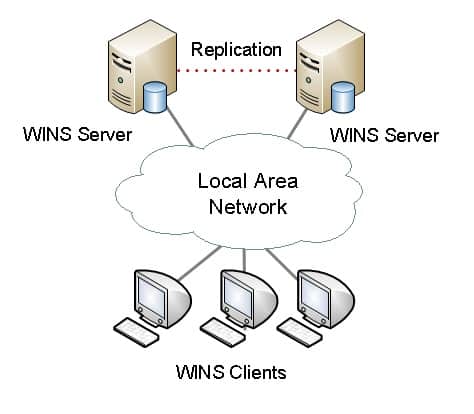
Windows Internet Name Service (WINS)
Windows Internet Name Service, or WINS, is a Microsoft Windows service that dynamically registers NetBIOS names of computers on the network.
-

NetBIOS Name
Master the intricate world of NetBIOS names. This comprehensive guide for computer engineering students explains all you need to know.
-
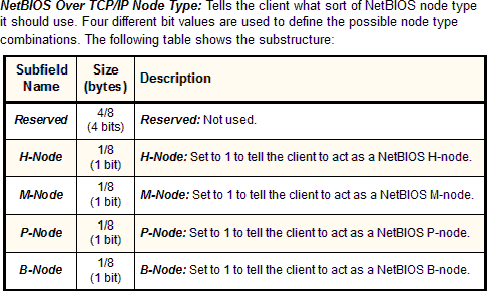
NetBIOS over TCP/IP node types
NetBIOS over TCP/IP node types are different configurations or node types of NetBIOS over TCP/IP (NetBT) hosts.
-
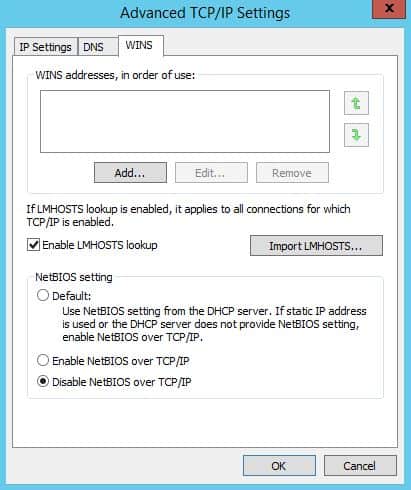
NetBT: NetBIOS over TCP/IP
Discover the inner workings of NetBT, the protocol enabling NetBIOS functionalities over TCP/IP networks. Learn how NetBT is critical for name resolution and session support, especially in Windows environments.
-

NetBEUI
NetBEUI stands for NetBIOS Extended User Interface, is a networking protocol developed by IBM and Microsoft in 1985 that is used for workgroup-size local area networks (LANs) with up to 200 stations.
-

NetBIOS (Network Basic Input/Output System)
NetBIOS stands for Network Basic Input/Output System, is a specification created by IBM and Microsoft that allows distributed applications to access each other’s network services independent of the transport protocol used.
-
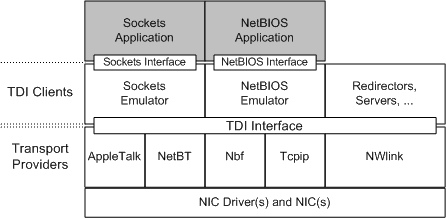
Transport Driver Interface (TDI)
Explore the evolving role of the Transport Driver Interface (TDI) in Microsoft Windows. Learn how it serves as an abstraction layer between file systems and network protocols.
-

Transmission Control Protocol (TCP)
Unlock the mysteries of TCP, the backbone of modern internet communication. From its history to its inner workings, discover how TCP makes the internet tick.
-

T.120 Standard
T.120 Standard is an umbrella standard representing a suite of eight International Telecommunication Union (ITU) standards that define how real-time multipoint communication for tasks such as data conferencing and interactive game playing takes place over a network.
-

Certificate Services (Windows Server)
Certificate Services is a service running on a Windows server operating system that receives requests for new digital certificates over transports such as RPC or HTTP.
-

Certificate Revocation List (CRL): Ensuring Digital Trust
In this article, we’ll explore the ins and outs of Certificate Revocation Lists – their definition, historical evolution, and their indispensable role in today’s digital security landscape.
-

Network Cabinet Essentials: Organizing Your Network Infrastructure
Discover the pivotal role of Network Cabinets in managing IT infrastructure. Learn about types, technical features, and best practices in our guide.