
The Editorial Team is a collective of technology enthusiasts, computer network engineers, and industry professionals dedicated to creating meticulously curated content for a diverse readership. With a combined experience spanning several decades, our team distills complex technology topics into clear, informative articles. Whether it’s networking fundamentals, cutting-edge AI insights, or in-depth guides on blockchain technology, the Editorial Team strives to provide reliable information that advances the understanding of technology for everyone from students to seasoned professionals.

Editorial Team’s mission
The Editorial Team’s mission extends beyond mere reporting; we aim to be the architects of understanding, constructing bridges over the rivers of jargon and complexity. From the foundational bricks of networking to the ever-evolving skies of cloud computing, we guide you through the technological labyrinth.
We take pride in our meticulous attention to detail and our unwavering commitment to accuracy, ensuring that each piece of information is a thread in the vast tapestry of technological knowledge. As we chart the course through the evolving landscape of technology, we invite our readers to join us on this exhilarating journey of discovery and growth. Together, we not only explore the current terrain of technology but also anticipate the horizons of tomorrow’s innovations.
Our Latest Articles
-
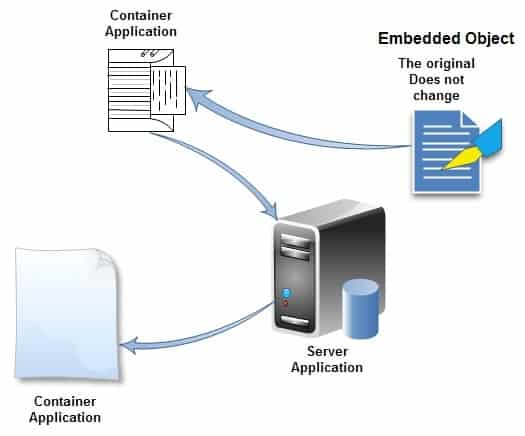
Object Linking and Embedding (OLE)
OLE stands for object linking and embedding, is a feature that allows users to create and edit documents that contain objects created by different applications.
-
OLE
OLE is a low-level object-oriented technology based on the Component Object Model (COM) that provides services to applications for creating compound documents.
-
Microsoft Windows
Microsoft Windows is a family of operating systems with a common graphical user interface (GUI) that lies at the core of Microsoft’s strategy to make PCs easier to use, reduce the cost of PC ownership, advance the PC platform, and integrate PCs with the Internet.
-

Windows Explorer: Navigating Through Windows’ Evolution to File Explorer
Discover what Windows Explorer is, how it functions, its historical journey from inception to becoming File Explorer in Windows 10, and its integral role in file management.
-

Fault Tolerance
Discover the world of fault tolerance in computing. Learn how systems stay resilient through redundancy, replication, and more!
-
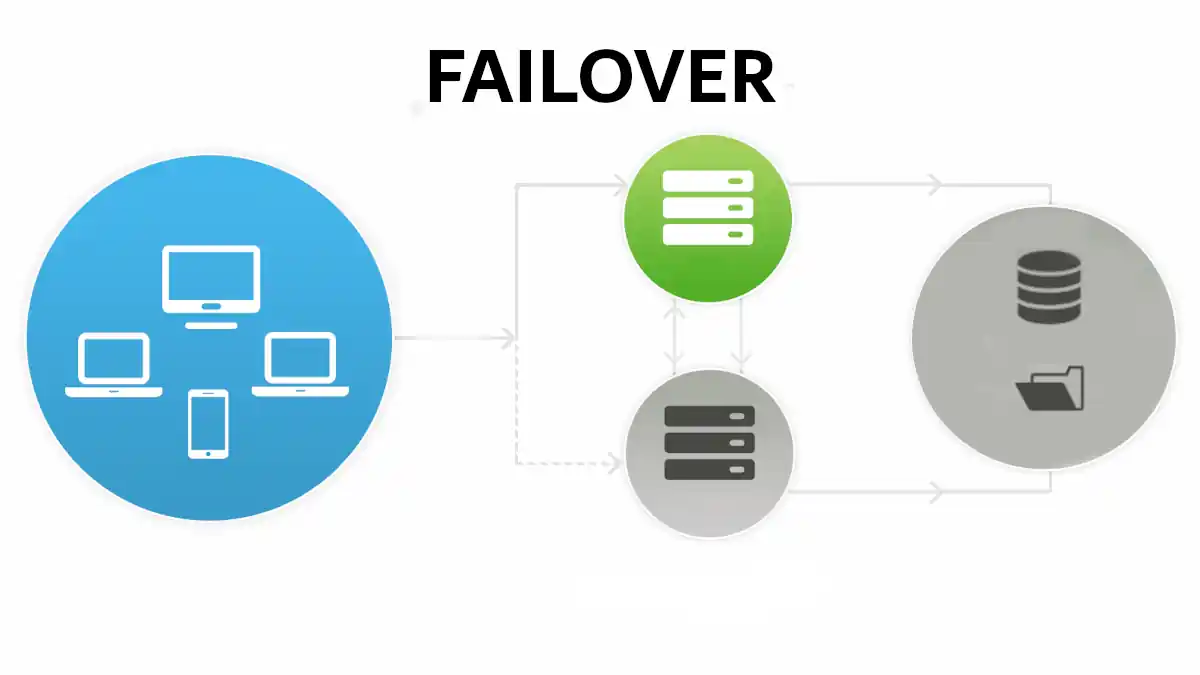
Failover
Discover the mechanics of failover in computing. From types and configurations to real-world applications, get the ultimate guide on failover systems.
-

Failback
Unlock the complexities of Failback in computer networking. Explore definitions, technical mechanisms, and best practices. Your guide to system resilience.
-

Local Address
Local Address is the address that a computer on a TCP/IP network uses to access another computer on the same subnet of the network.
-
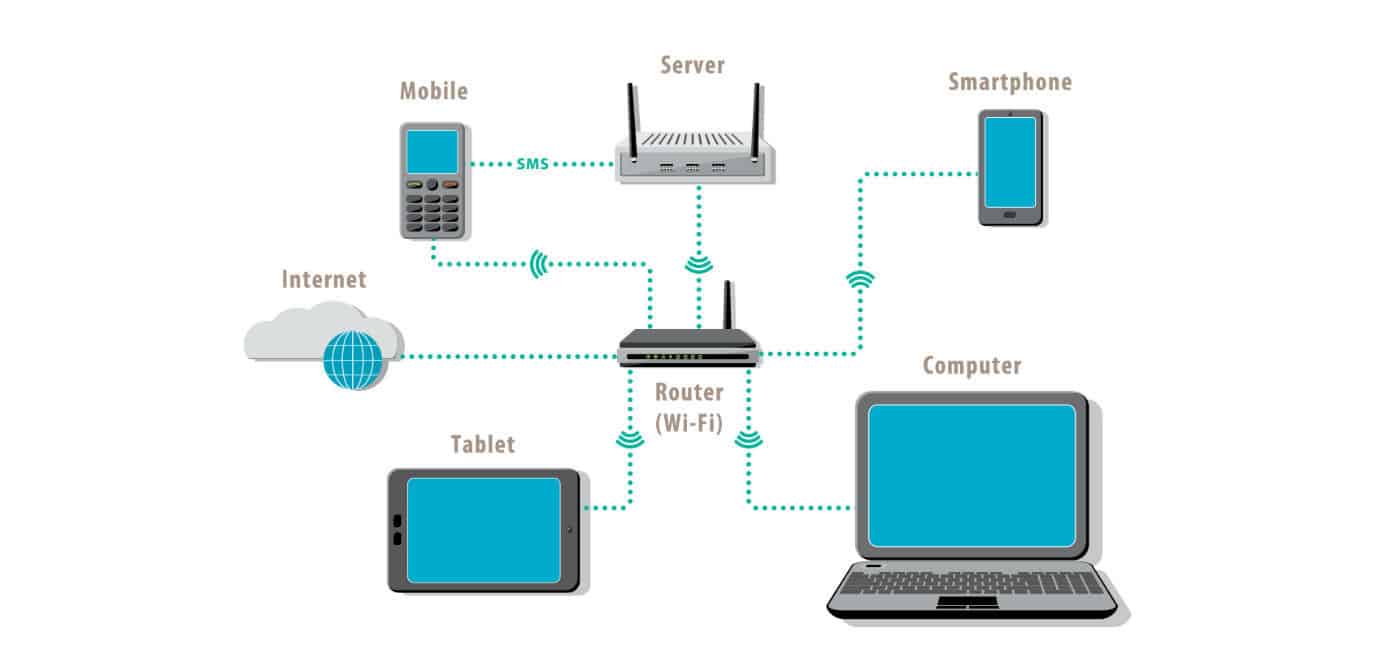
Local Area Network (LAN)
LAN stands for Local Area Network, is a group of computers located in the same room, on the same floor, or in the same building that are connected to form a single network.
-
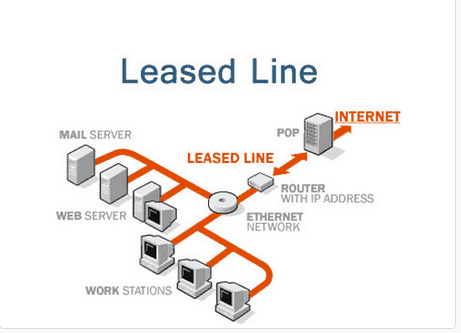
Leased Line
Leased Libe, also called a dedicated line, is a telecommunications service provided to businesses by telcos and long distance carriers that provides a permanent direct connection between two geographically separate local area networks (LANs).
-
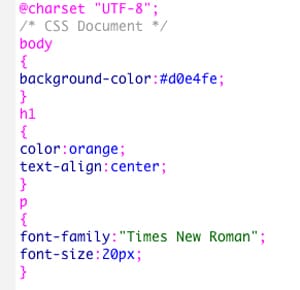
Cascading Style Sheets (CSS)
CSS stands for Cascading Style Sheets is a standard from the World Wide Web Consortium (W3C) that gives Web developers more control over how the pages of a Web site will look when displayed on a Web browser.
-
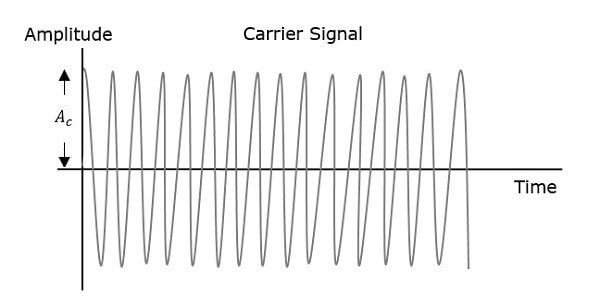
Carrier Signal
Carrier Signal (or Carrier Wave) is an alternating electromagnetic signal with a steady frequency upon which information is superimposed by some form of modulation.