
The Editorial Team is a collective of technology enthusiasts, computer network engineers, and industry professionals dedicated to creating meticulously curated content for a diverse readership. With a combined experience spanning several decades, our team distills complex technology topics into clear, informative articles. Whether it’s networking fundamentals, cutting-edge AI insights, or in-depth guides on blockchain technology, the Editorial Team strives to provide reliable information that advances the understanding of technology for everyone from students to seasoned professionals.

Editorial Team’s mission
The Editorial Team’s mission extends beyond mere reporting; we aim to be the architects of understanding, constructing bridges over the rivers of jargon and complexity. From the foundational bricks of networking to the ever-evolving skies of cloud computing, we guide you through the technological labyrinth.
We take pride in our meticulous attention to detail and our unwavering commitment to accuracy, ensuring that each piece of information is a thread in the vast tapestry of technological knowledge. As we chart the course through the evolving landscape of technology, we invite our readers to join us on this exhilarating journey of discovery and growth. Together, we not only explore the current terrain of technology but also anticipate the horizons of tomorrow’s innovations.
Our Latest Articles
-
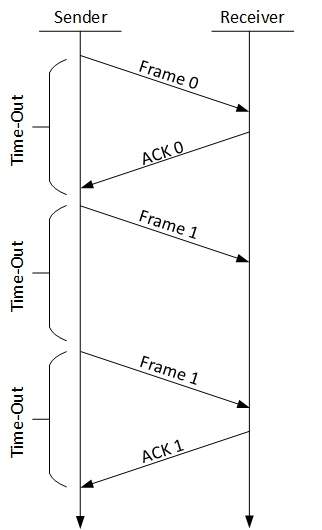
Data Link Control (DLC)
DLC, or Data Link Control, is generally, the services that the data-link layer of the OSI reference model provides to adjacent layers of the OSI protocol stack.
-
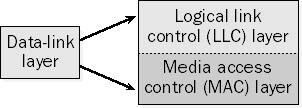
Data-Link Layer
Data-link Layer is the second layer of the OSI model, which converts frames of data into raw bits for the physical layer and is responsible for framing, flow control, error correction, and retransmission of frames.
-
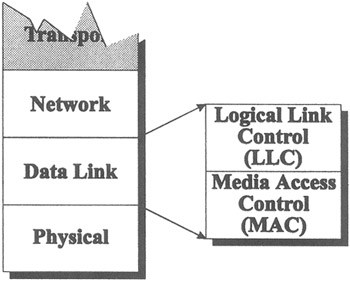
Logical Link Control (LLC) Layer
Logical Link Control, or LLC, is one of the two sublayers into which the data-link layer of the Open Systems Interconnection (OSI) reference model is subdivided for data-link protocols used on local area networks (LANs).
-
Copper Cabling
n the vast universe of networking, the arteries that keep the data flowing are often made of a familiar, yet crucial material: copper cabling. But what makes copper cabling the backbone of so many networks?
-
Coaxial Cable: Structure, Types, and Applications
Coaxial Cabling is a form of network cabling used primarily in older Ethernet networks and in electrically noisy industrial environments.
-
Cat 4 Cable: Tracing the Legacy of a Networking Milestone
Cat 4 or Category 4 Cabling is the fourth-lowest grade of unshielded twisted-pair (UTP) cabling. Category 4 cabling was designed to support digital voice and data communication at speeds up to 16 Mbps.
-
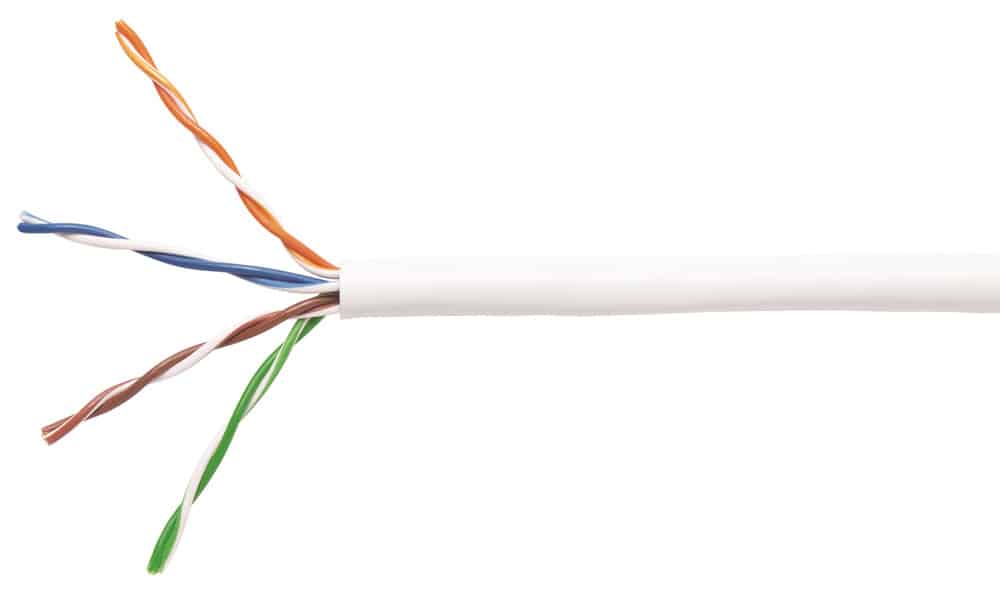
Cat 3 Cable: Exploring its Legacy
Category 3 Cabling is the third-lowest grade of unshielded twisted-pair (UTP) cabling. Category 3 cabling was designed to support digital voice and data communication at speeds up to 10 Mbps.
-
![Category 2 Cabling [Cat2 Cable]](https://test.fikaki.com/wp-content/uploads/2019/09/cat-2-pair-cables.jpg)
Category 2 Cabling [Cat2 Cable]
Dive into the history and specifications of Category 2 (Cat2) cabling, a foundational yet outdated technology in networking. Learn about its common uses, technical limitations, and why it was phased out.
-
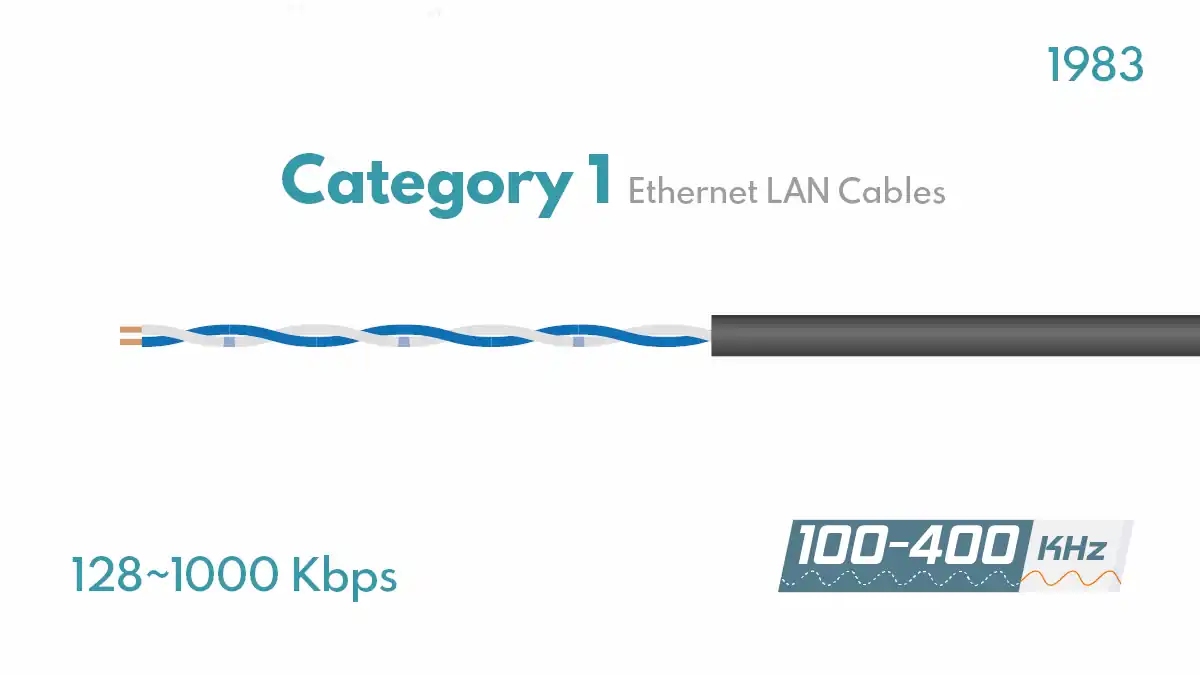
Category 1 Cabling (CAT1 Cable)
Discover the history and limitations of Cat1 cable, a voice-only communication relic. Learn why it’s phased out and how it compares to modern cables.
-
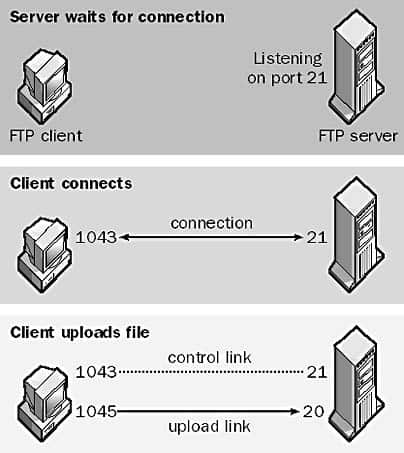
File Transfer Protocol (FTP)
FTP stands for File Transfer Protocol is an Internet standard application-level TCP/IP protocol that can be used for transferring files between hosts on a TCP/IP internetwork.
-
FAT32
FAT32 is an enhanced version of file allocation table (FAT), supported by Microsoft Windows 95 OSR2, Windows 98, and Windows 2000.
-
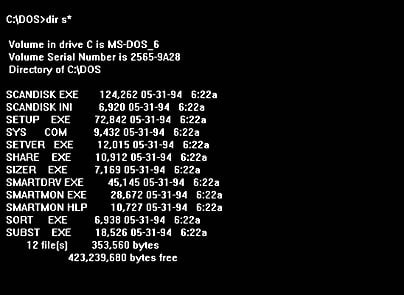
MS-DOS
MS-DOS is the venerable operating system created by Microsoft for the first IBM personal computer in 1981. In this article: How DOS works, History, list of commands, list of versions, and more.