
The Editorial Team is a collective of technology enthusiasts, computer network engineers, and industry professionals dedicated to creating meticulously curated content for a diverse readership. With a combined experience spanning several decades, our team distills complex technology topics into clear, informative articles. Whether it’s networking fundamentals, cutting-edge AI insights, or in-depth guides on blockchain technology, the Editorial Team strives to provide reliable information that advances the understanding of technology for everyone from students to seasoned professionals.

Editorial Team’s mission
The Editorial Team’s mission extends beyond mere reporting; we aim to be the architects of understanding, constructing bridges over the rivers of jargon and complexity. From the foundational bricks of networking to the ever-evolving skies of cloud computing, we guide you through the technological labyrinth.
We take pride in our meticulous attention to detail and our unwavering commitment to accuracy, ensuring that each piece of information is a thread in the vast tapestry of technological knowledge. As we chart the course through the evolving landscape of technology, we invite our readers to join us on this exhilarating journey of discovery and growth. Together, we not only explore the current terrain of technology but also anticipate the horizons of tomorrow’s innovations.
Our Latest Articles
-
Understanding the Loopback Address
A loopback address, in computer networking, is a virtual network interface primarily used for testing and network diagnostics. Technically, it refers to an IP address that routes the data back to the same device, bypassing external physical network interfaces.
-
KVM Switch: Maximizing Workspace
This article is going to demystify the KVM Switch, explaining its functionality, types, benefits, and usage scenarios, making it an indispensable resource for anyone looking to enhance their multi-computer experience.
-
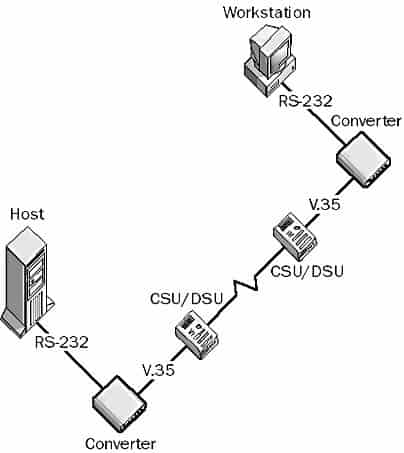
Interface Converter
Interface Converter is any device that converts one hardware interface to another. These devices are generally stand-alone, powered devices for midline use or rack-mounted devices for use in wiring closets. There are interface converters for serial and parallel interfaces, asynchronous and synchronous communication, half-duplex and full-duplex communication, single-node and host converters, copper and fiber-optic converters,…
-

FTP Utility
FTP utility is a TCP/IP utility for copying files to and from remote hosts on machines running Microsoft Windows family operating systems. The remote host must be running the FTP service and authenticate the client before the client can transfer files. The FTP utility provides a command-line interface only for uploading and downloading files to…
-
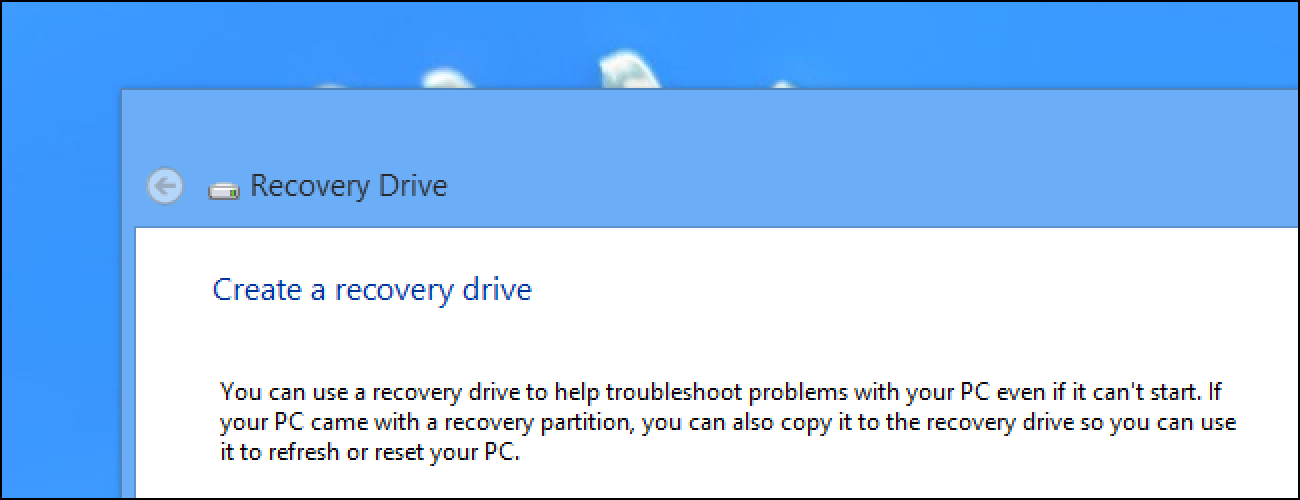
Emergency Repair Disk (ERD)
ERD or Emergency Repair Disk is a recovery tool for repairing missing or corrupt files or restoring the registry on a Microsoft Windows system. Having a current copy of the emergency repair disk for each server on your network is an important part of preparing for disaster recovery. In Windows 7, 8.1 and Windows 10…
-
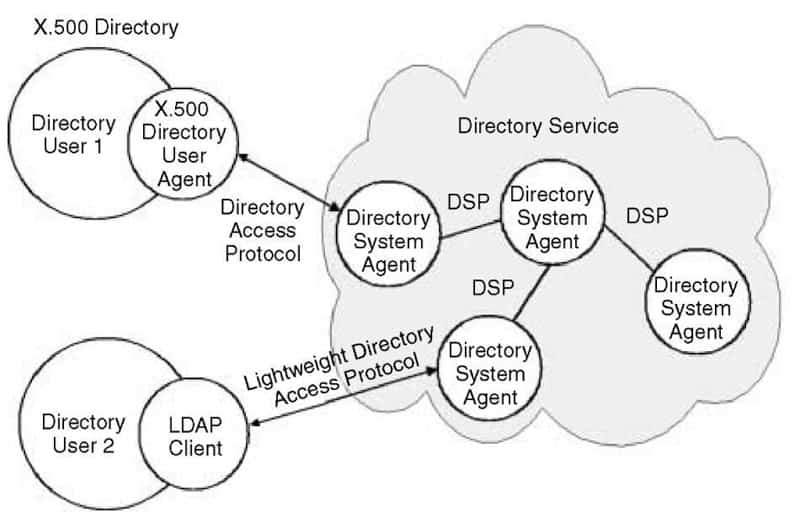
Directory Service
Directory Service is a tool for locating, managing, and organizing network resources, which can include volumes, folders, files, printers, users, groups, and other objects. A directory service is a core component of a network operating system (NOS) and functions much like the yellow pages of a phone book. For example, if you look up “printers,”…
-
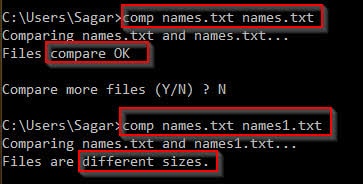
Comp Command
Comp Command is a Microsoft Windows command for performing a bytewise comparison of the contents of different files. The comp command is typically used for byte-by-byte comparison of text files, or for a comparison of the contents of two directories. Comp Command examples To compare C:\file1.txt and C:\file2.txt and show the differences between them as…
-

BSD UNIX
BSD UNIX stands for Berkeley Software Distribution UNIX, a version of UNIX that originated many common UNIX features such as the vi editor, C shell, and TCP/IP networking. BSD UNIX was developed in the 1970s at the University of California at Berkeley, which licensed the UNIX operating system from AT&T and then made a number…
-
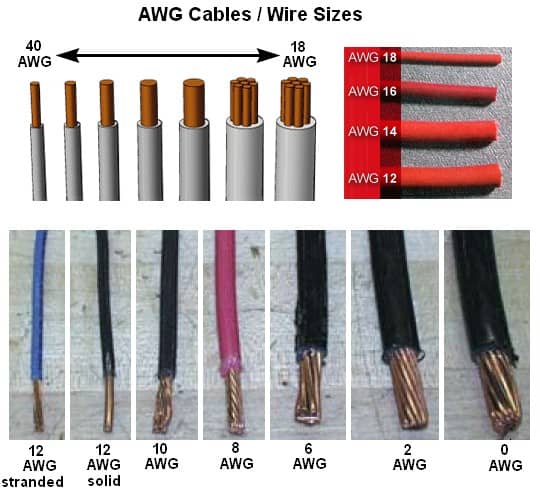
AWG (American Wire Gauge)
AWG is an acronym for American Wire Gauge, a specification for the diameter of conducting wires. The higher the AWG number, the thinner the wire. Category 5 cabling is usually AWG 24 wire (0.020 inch or 0.511 millimeter in diameter), while thicknet generally uses AWG 12 wire (0.080 inch or 2.050 millimeters in diameter). The…
-
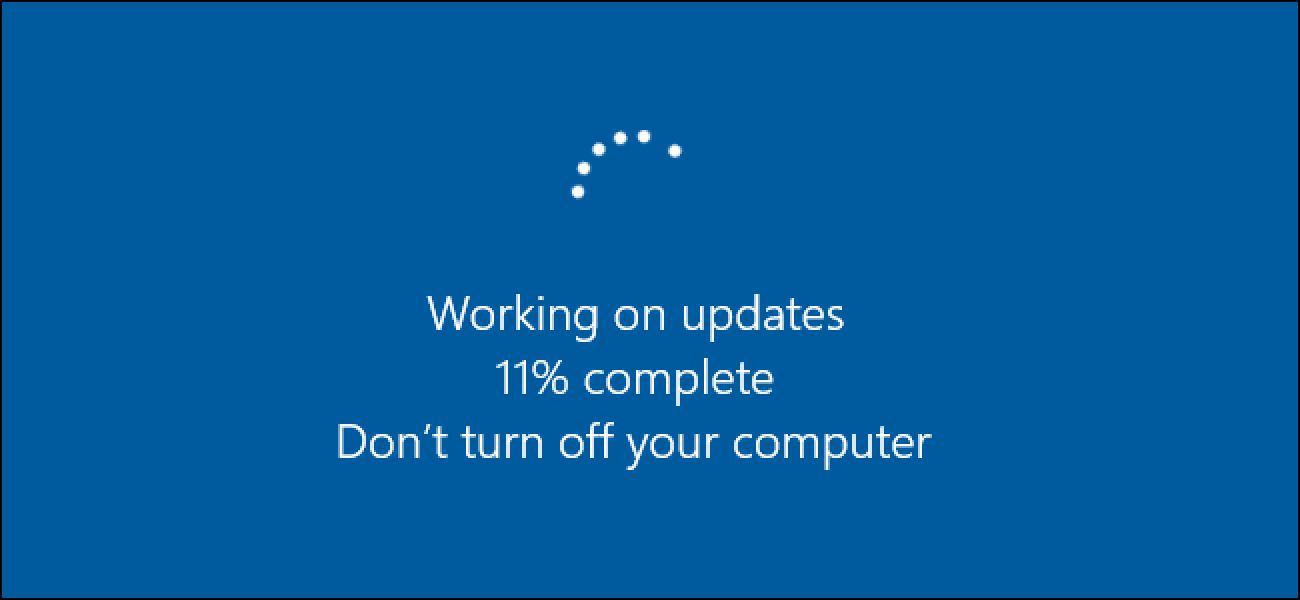
Windows Update
Windows Update is an Internet-based tool for locating and installing updates and enhancements to the Microsoft Windows operating system’s families (workstations and servers). Windows Update can be thought of as an online extension of Microsoft Windows and is designed to help you get the most out of your computer. Windows Update was introduced as a…
-
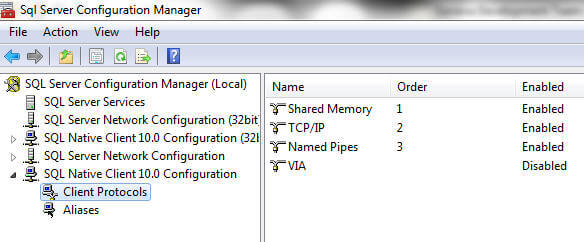
Net-Library (SQL Server)
Net-library is a network interface layer that Microsoft SQL Server uses to communicate with database client software. How It Works Net-Libraries are specific to each type of interprocess communication (IPC) mechanism. A Net-Library can be loaded for each IPC mechanism being used – for example, one Net-Library for named pipes communication and another for TCP/IP…
-
Named Pipes: Bridging Processes Across Platforms
In this article, we delve into the evolution, functionality, and the pivotal role of named pipes in both Unix and Windows systems, providing a comprehensive guide that unravels their complexities and showcases their modern-day applications.