
Category: General Concepts
-
Mastering ACPI: Elevating Power Management in Modern Computing
ACPI, or Advanced Configuration and Power Interface, is an open industry specification that enables software designers to integrate features for power management throughout a computer system, including the hardware, operating system, and application software.
-
Association for Computing Machinery (ACM)
Association for Computing Machinery (ACM) is the oldest and largest educational and scientific computing society in the world. Learn more about it.
-

ACK in Networking
Explore the essentials of ACK in networking: its meaning, function, and significance in error-free data transmission.
-
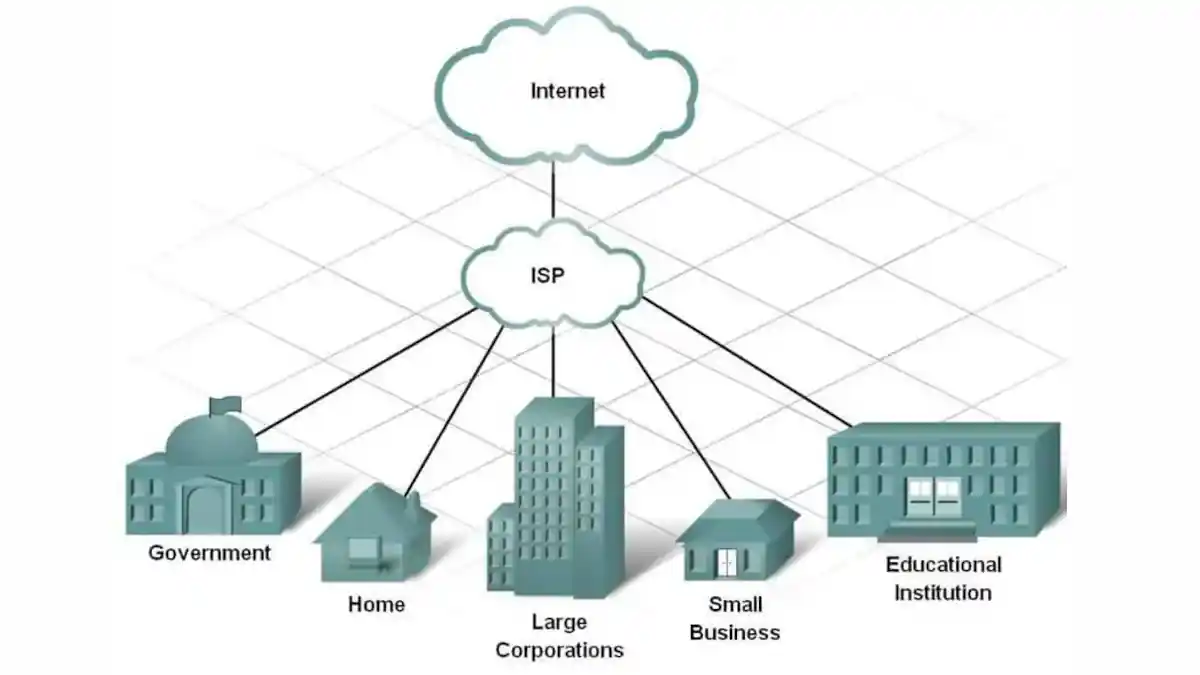
Internet Service Provider (ISP)
Unlock the world of Internet Service Providers! Learn their history, the top ISPs in the US, and their ever-evolving role in a connected world.
-
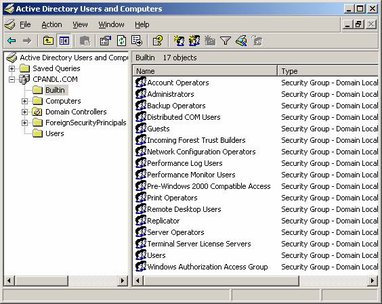
Account Operators Group
Account Operators Group is a built-in group whose users can create, delete, and modify the properties of users, global groups, and local groups.
-

Access Token: The Digital Kingdom Key
Explore the multifaceted world of Access Tokens: unraveling their role in Windows security and diverse applications in computer networking.
-
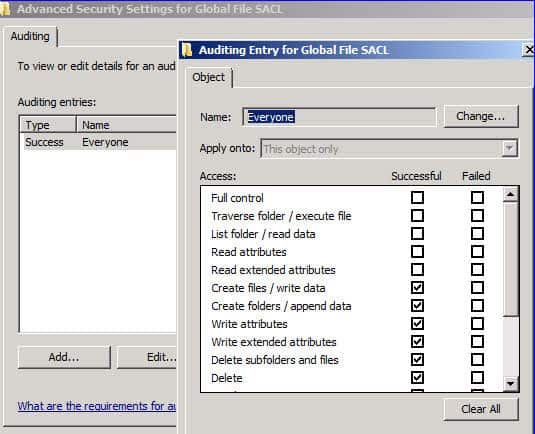
Access Control List (ACL)
An Access Control List (ACL), is any mechanism for implementing access control on an operating system, file system, directory service, or other software.
-
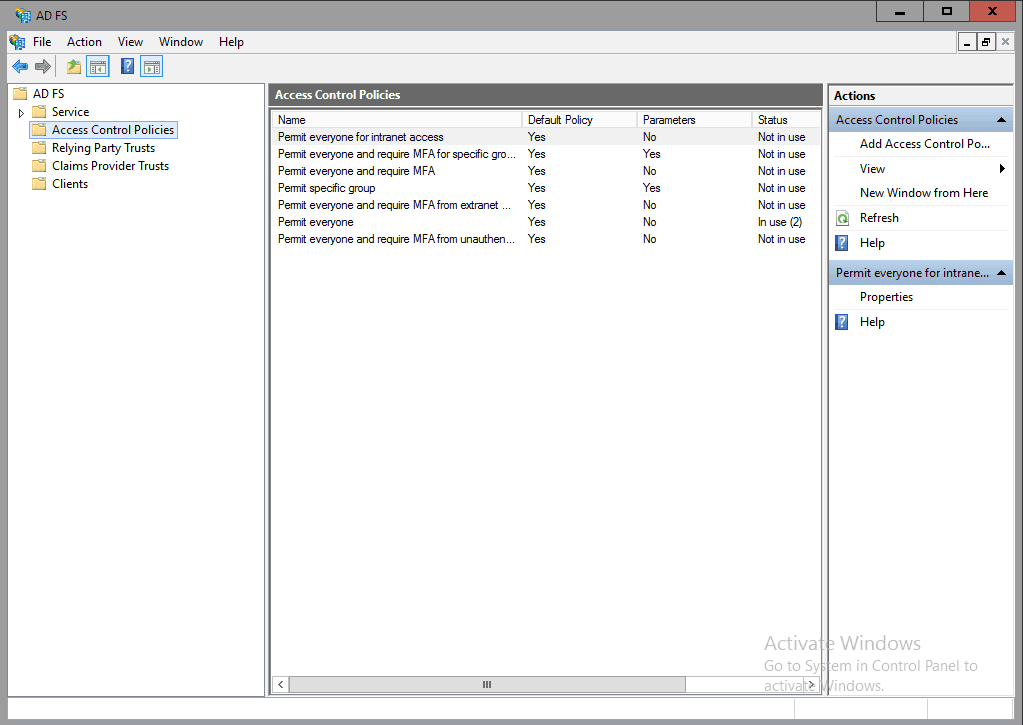
Access Control
Access Control is a general term describing how administrators can secure access to objects in Active Directory.
-
Absolute Path: Navigating Computing Systems
Absolute Path is the hierarchical path that locates a file or folder in a file system starting from the root. The absolute path of a file enables the location of the file to be precisely specified, independent of where the user’s current directory is located.
-
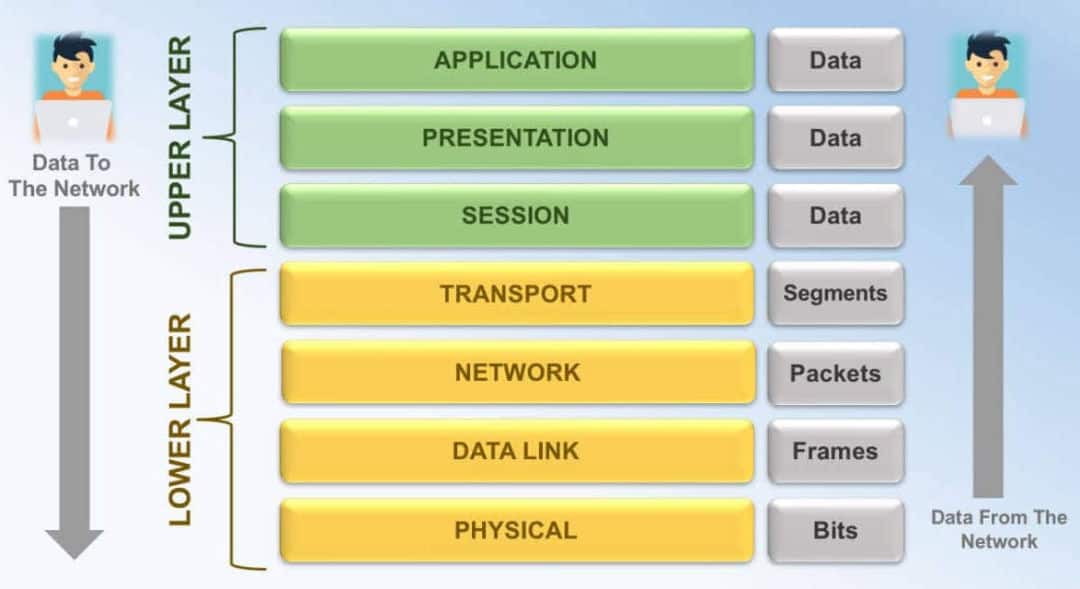
OSI Model
OSI – An architectural model for open networking systems that was developed by the International Organization for Standardization (ISO) in Europe in 1974.
-
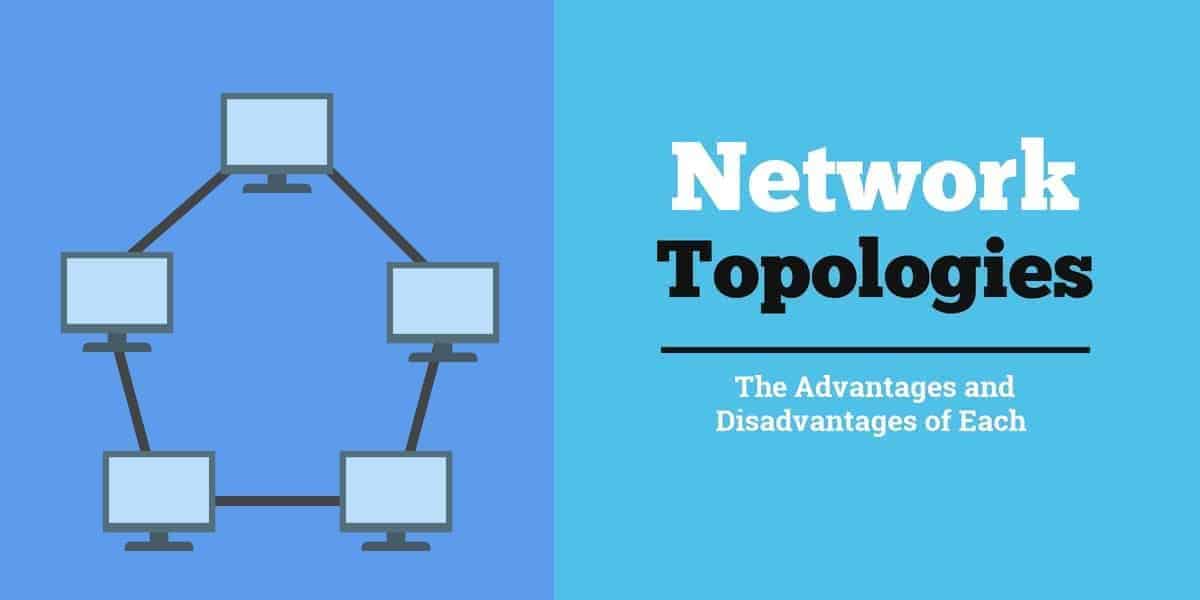
Network Topology
Network Topology is the physical layout of computers, cables, switches, routers, and other components of a network. This term can also refer to the underlying network architecture, such as Ethernet or Token Ring.
-

The Dark Side of The Network
Despite the positive benefits of the Internet, there is a dark side that you should be aware of. Publishers and advertisers can decide how to present their content and what technology vendors to use, all while maintaining and improving key performance indicators.