
Category: General Concepts
-
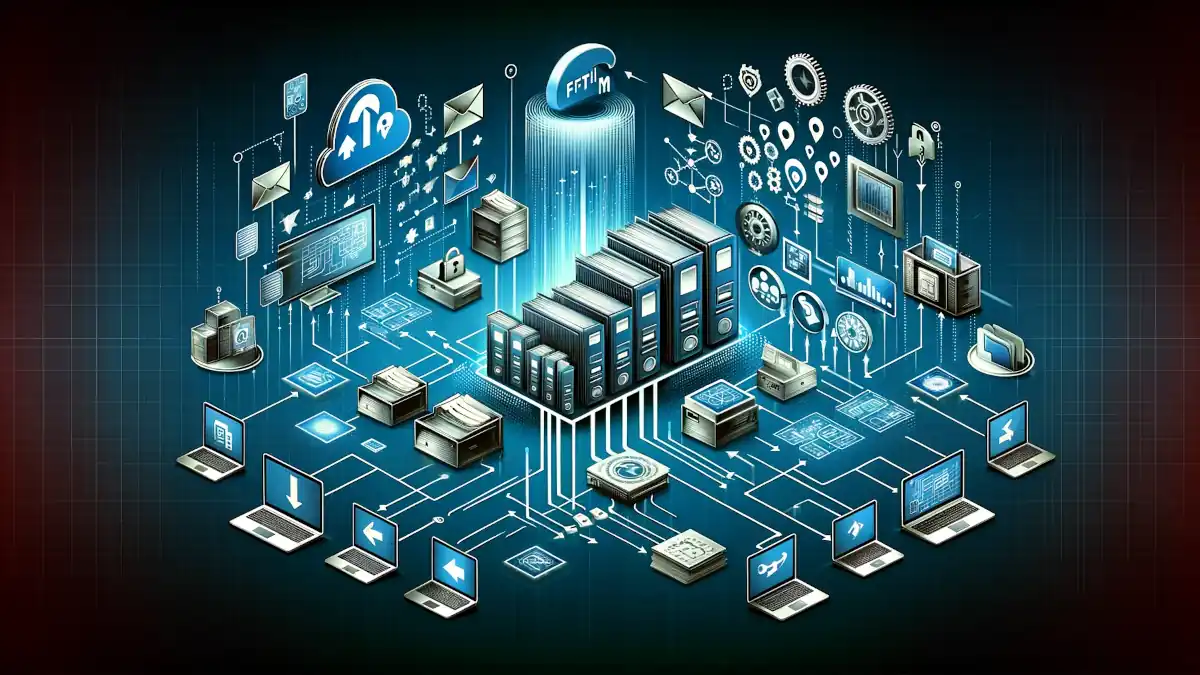
File-Transfer Access and Management (FTAM)
File-Transfer Access and Management (FTAM) is an ISO standard, part of the Open Systems Interconnection (OSI) suite of protocols, designed to enable file transfer and management operations between different systems.
-

Exterior Gateway Protocol (EGP): Navigating Complex Networks
EGP, or Exterior Gateway Protocol, is a type of routing protocol used to distribute routing information between different autonomous systems in large internetworks based on the TCP/IP protocol.
-

Electronic Industries Alliance (EIA)
EIA was the main trade organization representing the U.S. high-tech community. The Electronic Industries Alliance (EIA) was founded in 1924 as the Radio Manufacturers Association.
-
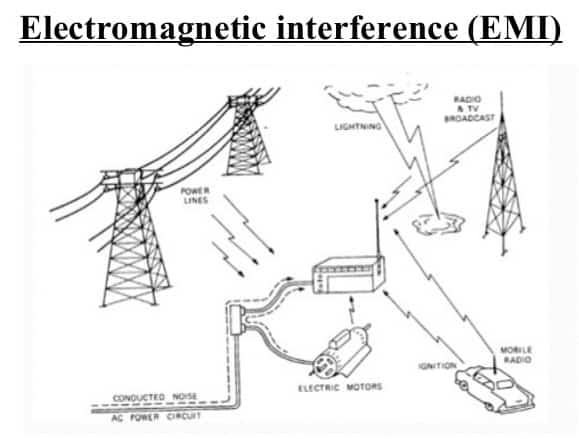
Electromagnetic Interference (EMI)
EMI, Electromagnetic Interference, is electrical noise induced in cabling by the presence of nearby electrical equipment such as motors, air conditioners, fluorescent lights, and power lines.
-
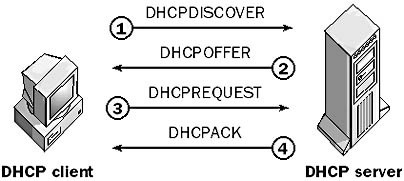
Dynamic Host Configuration Protocol (DHCP)
Master the ins and outs of DHCP with our definitive guide. From basic configurations to advanced features, become a DHCP pro today!
-
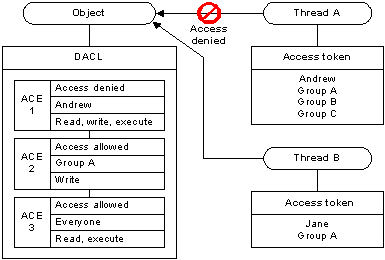
Discretionary Access Control List (DACL)
DACL, or Discretionary Access Control List, is an internal list attached to an object in Active Directory that specifies which users and groups can access the object and what kinds of operations they can perform.
-
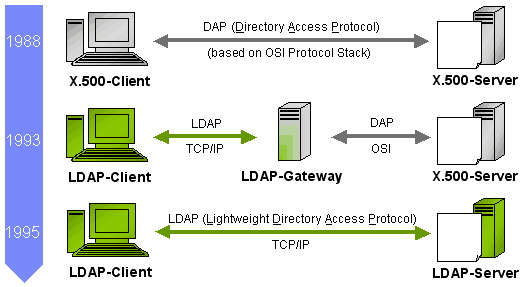
Directory Access Protocol (DAP)
Dive into the intricate world of the Directory Access Protocol (DAP) with our comprehensive guide. Discover how it powers X.500 directory services, explore its features and operations, and compare it with alternative protocols like LDAP. Ideal for IT professionals and students alike, this article is your go-to resource for understanding DAP’s real-world applications and more.
-

Digital Transmission Explained
Explore the fundamentals of digital transmission, the backbone of contemporary digital communications, and its impact on technology.
-
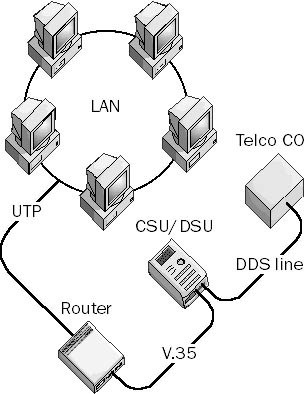
Digital Data Service (DDS)
Digital Data Service is a family of leased line data communication technologies that provides a dedicated synchronous transmission connection at speeds of 56 Kbps.
-

Decoding Customer Premises Equipment (CPE): A Comprehensive Guide
This guide will explore the diverse world of CPE, its types, functionalities, and the significant role it plays in modern telecommunications networks.
-
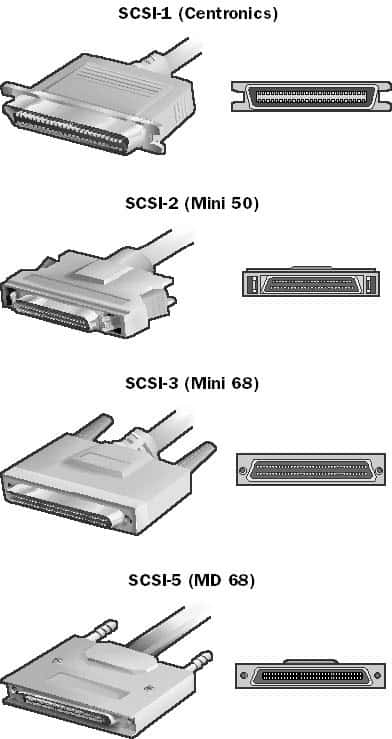
Small Computer System Interface (SCSI)
SCSI stands for Small Computer System Interface, is a hardware bus specification for connecting peripherals to a computer using a parallel transmission interface.
-
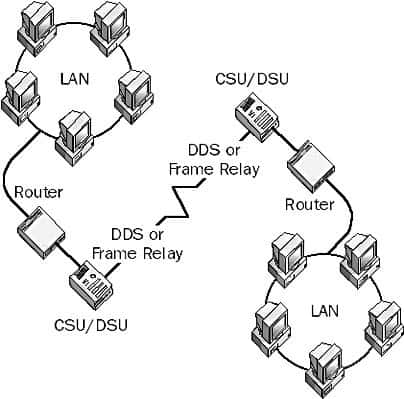
Channel Service Unit/Data Service Unit (CSU/DSU)
CSU/DSU stands for Channel Service Unit/Data Service Unit, is a digital communications device that combines the functions of both a Channel Service Unit (CSU) and a Data Service Unit (DSU).