
Category: Networking Fundamentals
-
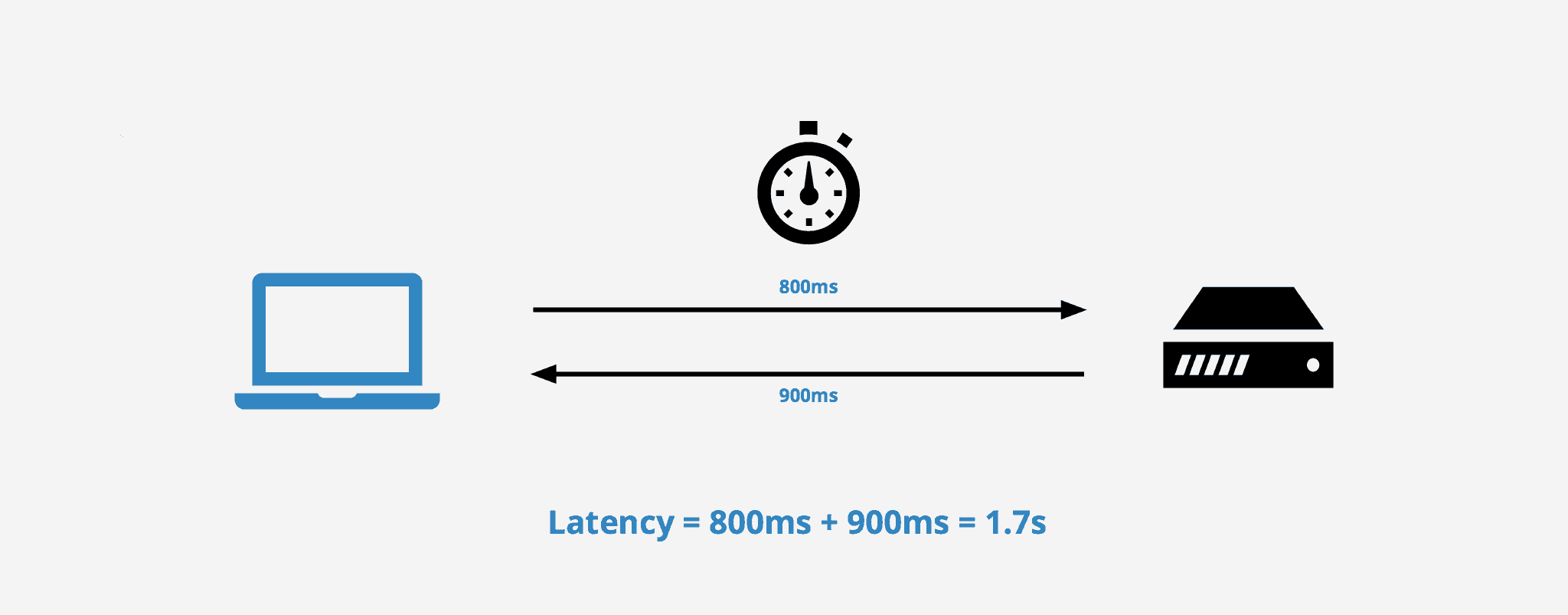
Latency
In this article we delve deeper into what latency is, its implications, its primary causes, and potential solutions.
-
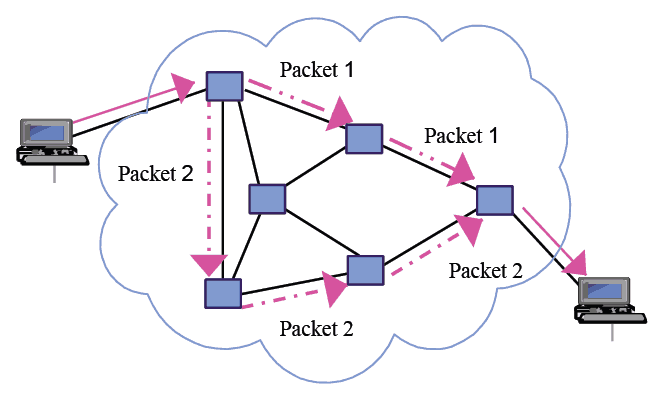
Packet Switching
Packet Switching is the process by which a networking or telecommunications device accepts a packet and switches it to a telecommunications device that will take it closer to its destination. (Learn More)
-
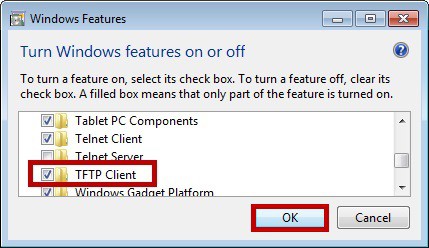
TFTP (Trivial File Transfer Protocol)
Explore TFTP: A concise guide to Trivial File Transfer Protocol, its functions, implementations, and modern network applications.
-
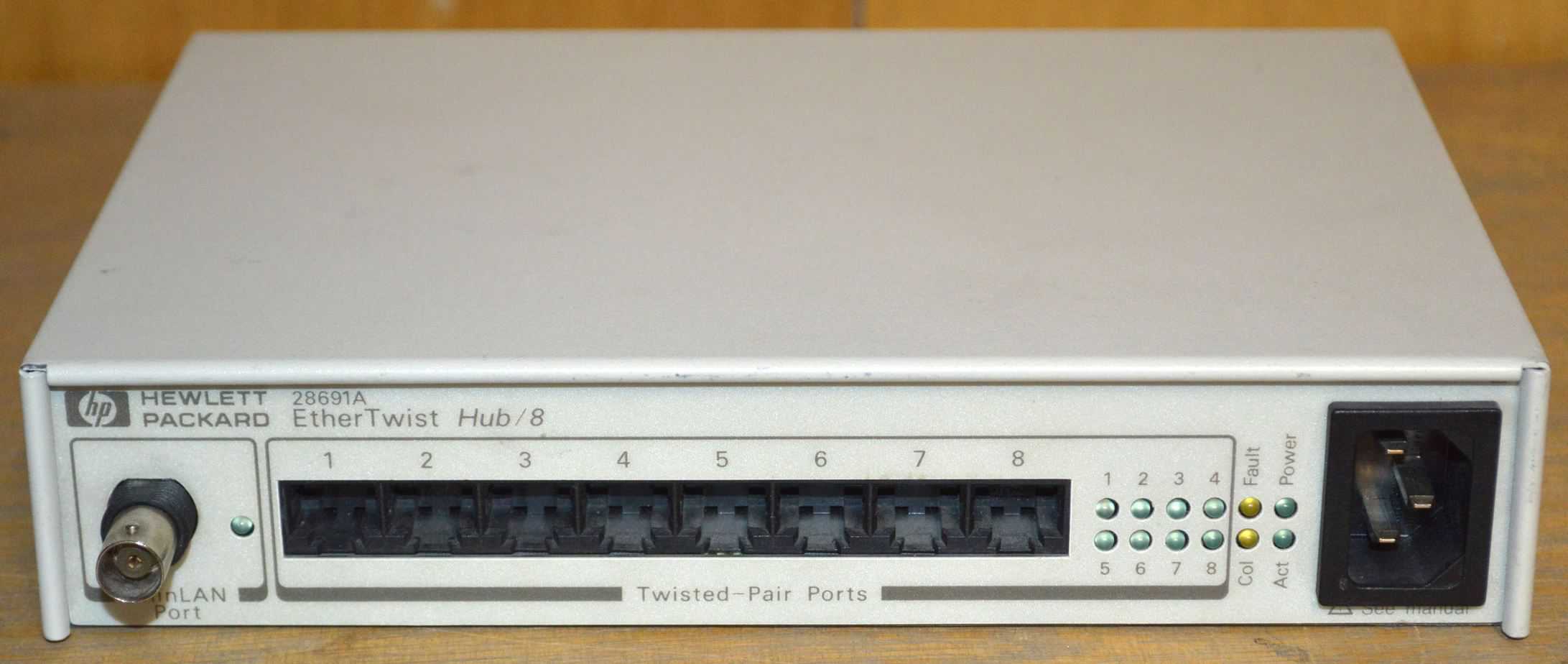
Hub
Hub also called a repeater hub, is the basic networking component used in traditional 10-Mbps Ethernet networks to connect network stations to form a local area network (LAN).
-
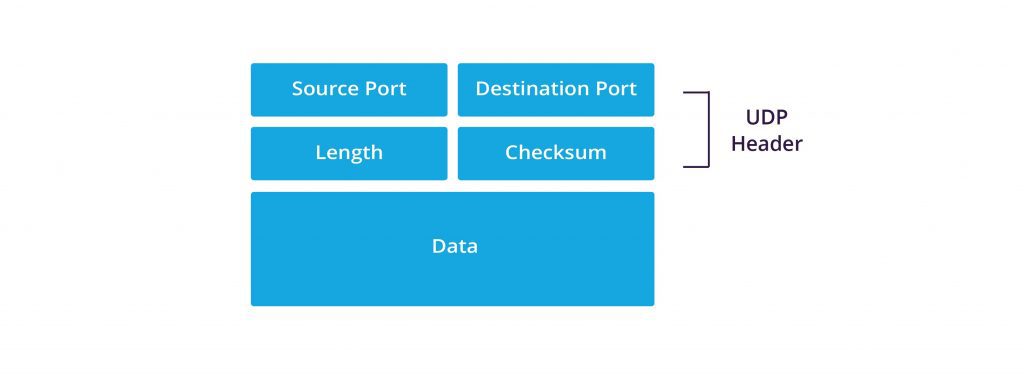
User Datagram Protocol (UDP)
User Datagram Protocol, known as UDP, is a TCP/IP transport layer protocol that supports unreliable, connectionless communication between hosts on a TCP/IP network.
-

Common Internet File System (CIFS): Network File Sharing Made Easy
Unlock the capabilities of CIFS, the protocol at the heart of network file sharing and collaboration. Dive into its functionalities, uses, and impact.
-

Server Message Block (SMB): Beyond File Sharing
Server Message Block, also known as SMB, is a high-level file-sharing protocol jointly developed by Microsoft, IBM, and Intel for passing data between computers on a network.
-

Subnetting Simplified: Mastering Network Division in TCP/IP
Subnetting is the process of partitioning a single TCP/IP network into a number of separate networks called subnets.
-

Interexchange Carrier (IXC)
Interexchange Carrier, also known as IXC, is a telco that mainly provides long-distance communication services.
-

Top-Level Domain: Everything You Need to Know
This article unveils the mysteries of Top-Level Domains, from their definition to their pivotal role in establishing online identities and services. Have you ever wondered how a simple ‘.com’ or ‘.org’ can influence your website’s reach and credibility?
-
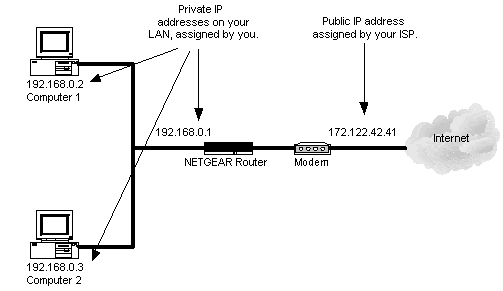
Network Address Translation (NAT)
NAT stands for Network Address Translation is a form of packet filtering used in firewall products that protect a network from outside intrusion by hackers.
-

Static Routing: A Comprehensive Guide
Static Routing is a routing mechanism that is handled by the Internet Protocol (IP) and that depends on manually configured routing tables.