
Category: A to Z
-
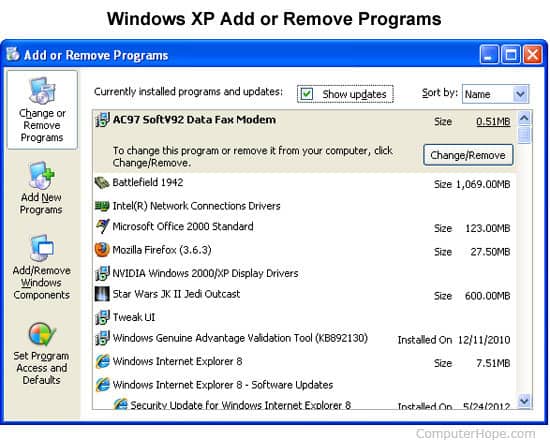
Add/Remove Programs
Explore the history and functionality of the Add/Remove Programs utility in early Windows versions. Learn about its evolution and modern alternatives for software management.
-

Advanced Infrared (AIr) Technology
Explore the history, functionality, and applications of Advanced Infrared (AIr) technology, a pivotal wireless communication method that laid the groundwork for today’s networking systems.
-
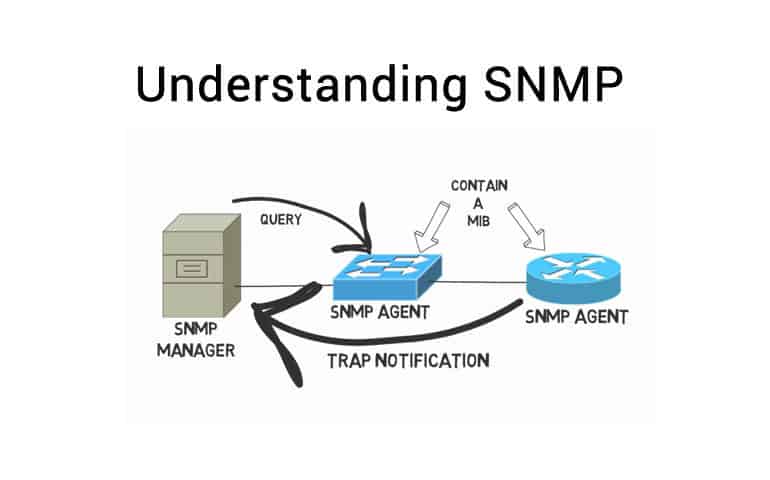
Agent (SNMP)
Agent in SNMP is a Simple Network Management Protocol client software that runs on a hub, a router, or another networking component.
-

X.400
X.400 is a set of standards defined in 1984 and 1988 by the International Telecommunication Union (ITU) for computer-based handling of e-mail.
-

Wiring Closet
Wiring closet is also called an equipment room or server room (and various other names). It is a room on the floor of a building that contains hubs, switches, and other network components.
-
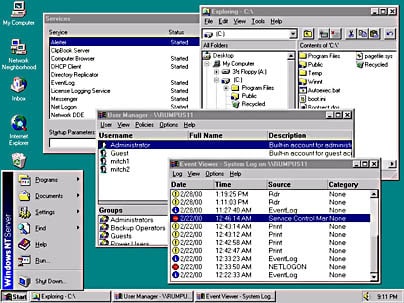
Windows NT
Windows NT was Microsoft’s most popular operating system for all types of networks ranging from workgroups to enterprise-level installations.
-
Windows for Workgroups 3.11
Windows for Workgroups 3.11 was a version of Microsoft Windows 3.1 released in 1994 that includes integrated networking components.
-
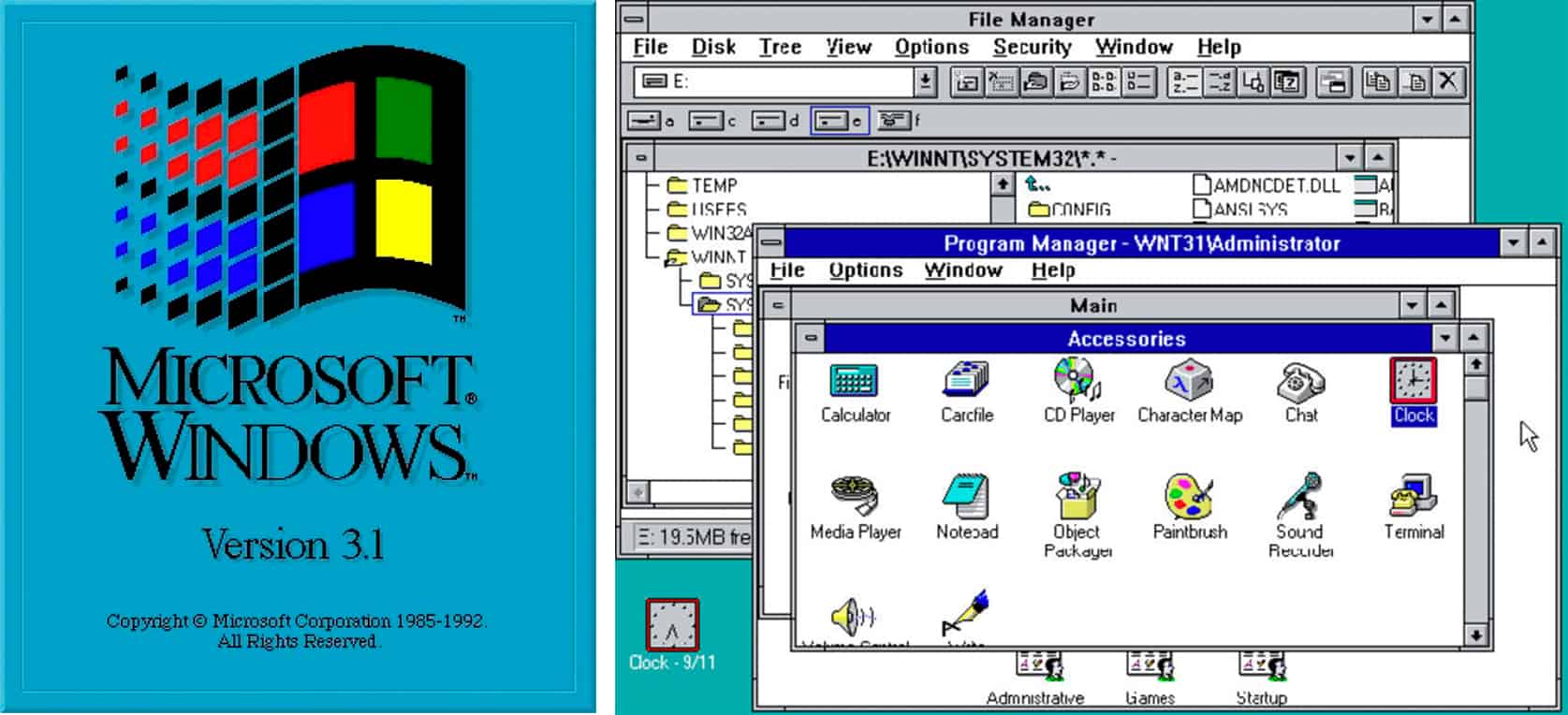
Windows 3.1
Windows 3.1 is the GUI-based operating system from Microsoft that made personal computers easier and more fun to use.
-
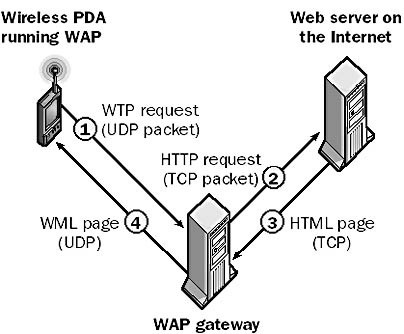
Wireless Application Protocol (WAP)
Wireless Application Protocol, or WAP, is a set of technologies developed by a consortium of mobile telephony equipment vendors that is designed to bring Web content to wireless handheld communication devices such as Personal Digital Assistants (PDAs) and mobile phones.
-
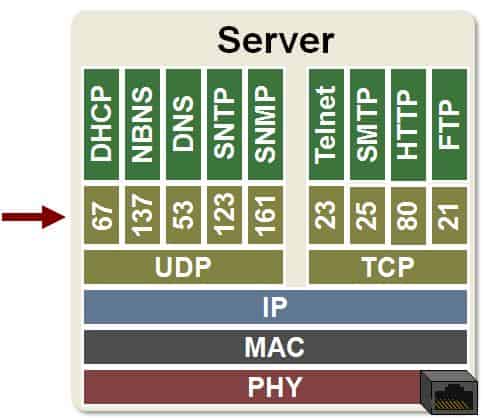
Well-Known Port Numbers
Well-known port numbers are port numbers for Transmission Control Protocol (TCP) or User Datagram Protocol (UDP) that have been assigned to specific TCP/IP applications or services by the Internet Assigned Numbers Authority (IANA).
-

Decoding Update Sequence Numbers (USN): The Backbone of Data Integrity
An Update Sequence Number (USN) is a system used primarily within computer storage and database management to track changes or updates made to a file system or database records.
-

Trust Relationship
Definition of TRUST RELATIONSHIP in Network Encyclopedia. What is Trust Relationship (in computer networking)? Trust relationship is a secure communication channel between two domains in Microsoft Windows Server Operating Systems. Trust relationships allow users in one domain to access resources in another domain. Trusts work by having one domain trust the authority of the other…