
Category: A to Z
-

VoIP Gateway
VoIP Gateway is a device that allows telephone calls to be transmitted over Internet Protocol (IP) backbone networks by converting voice signals into IP packets and transmitting them over the network.
-
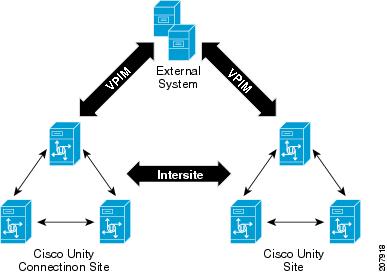
Voice Profile for Internet Mail (VPIM)
Voice Profile for Internet Mail (VPIM) is an Internet Engineering Task Force (IETF)specification that defines a unified way of transmitting voice mail and fax messages over the Internet.
-

Understanding VoIP (Voice over IP)
So, what is VoIP and how does it work? What’s the difference between VoIP and a cellular phone? Find these answers and much more in this comprehensive article.
-

Virus (in computer systems)
A Virus is any piece of code that is deliberately written to cause damage or annoyance to computer users on a network.
-

Virtual Server: Architecting the Future
Virtual Server is a technology that allows multiple independent Web sites to be hosted on a single Web server.
-

Virtual Private Network (VPN)
Virtual Private Network, or VPN, is a technology for connecting the components and resources of one network over another.
-
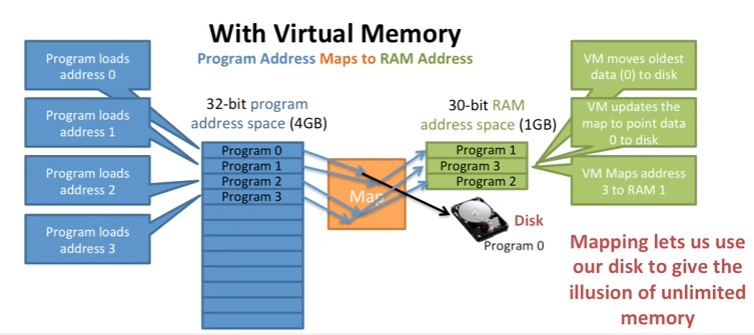
Virtual Memory
Virtual Memory is a mechanism by which applications function as though the system has more RAM than it actually does.
-
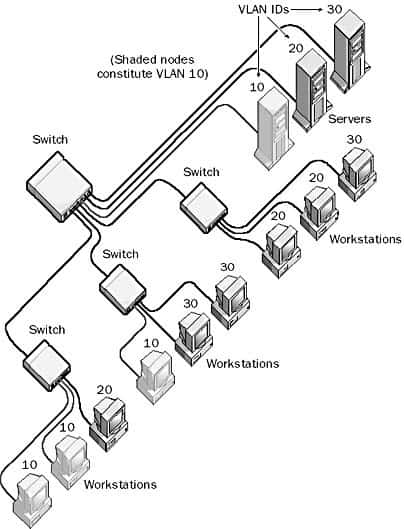
Virtual LAN (VLAN)
Virtual LAN, or VLAN, is a networking technology that allows networks to be segmented logically without having to be physically rewired.
-
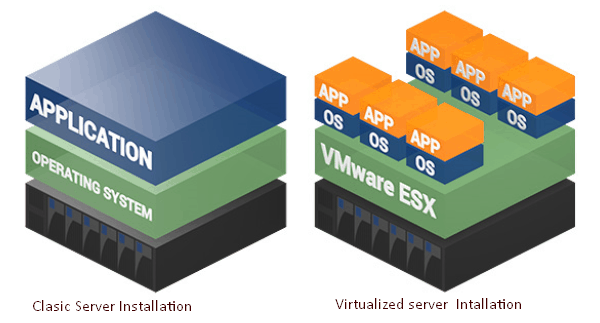
Virtualization
Virtualization refers to the act of creating a virtual version of any computer network resources like a server, switch, router, computer hardware platforms, storage device, etc.
-
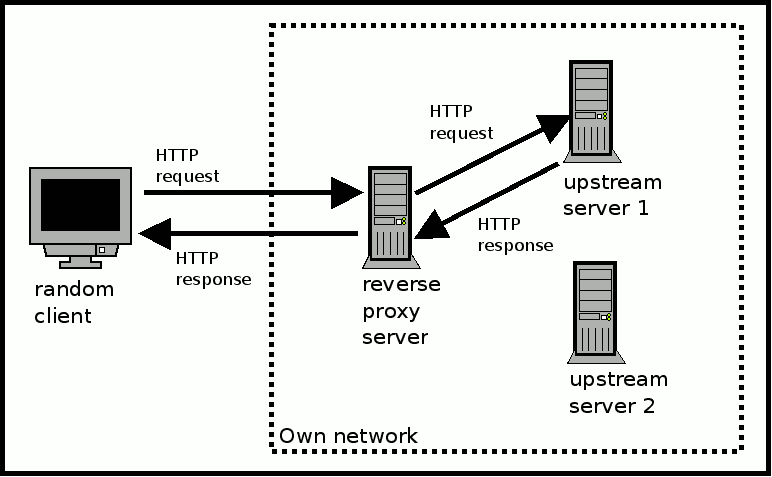
Reverse Hosting (proxy server)
Reverse Hosting, also called virtual hosting, is an extension to reverse proxying that is supported by Microsoft Proxy Server.
-
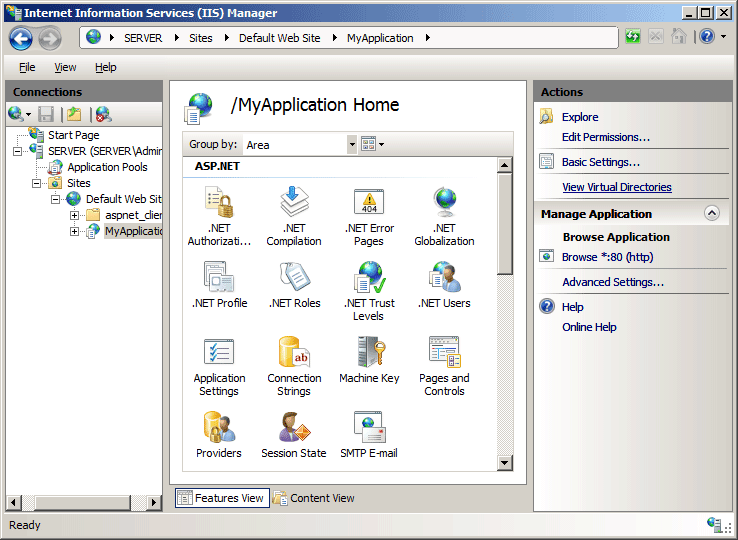
Virtual Directory
Virtual Directory is a directory that appears to Web browser users as a subdirectory of a Web site’s home directory but in fact might be located in a different folder, drive, or server.
-
Dynamic HTML
Dynamic HTML is a proposed World Wide Web Consortium (W3C) standard developed by Microsoft for creating interactive multimedia Web content.