
Category: A to Z
-
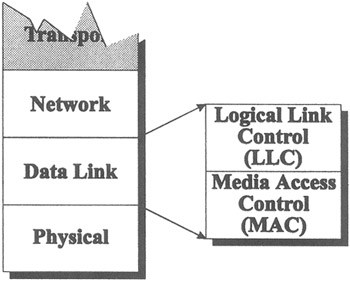
Logical Link Control (LLC) Layer
Logical Link Control, or LLC, is one of the two sublayers into which the data-link layer of the Open Systems Interconnection (OSI) reference model is subdivided for data-link protocols used on local area networks (LANs).
-

Copper Cabling
n the vast universe of networking, the arteries that keep the data flowing are often made of a familiar, yet crucial material: copper cabling. But what makes copper cabling the backbone of so many networks?
-

Coaxial Cable: Structure, Types, and Applications
Coaxial Cabling is a form of network cabling used primarily in older Ethernet networks and in electrically noisy industrial environments.
-

Cat 4 Cable: Tracing the Legacy of a Networking Milestone
Cat 4 or Category 4 Cabling is the fourth-lowest grade of unshielded twisted-pair (UTP) cabling. Category 4 cabling was designed to support digital voice and data communication at speeds up to 16 Mbps.
-
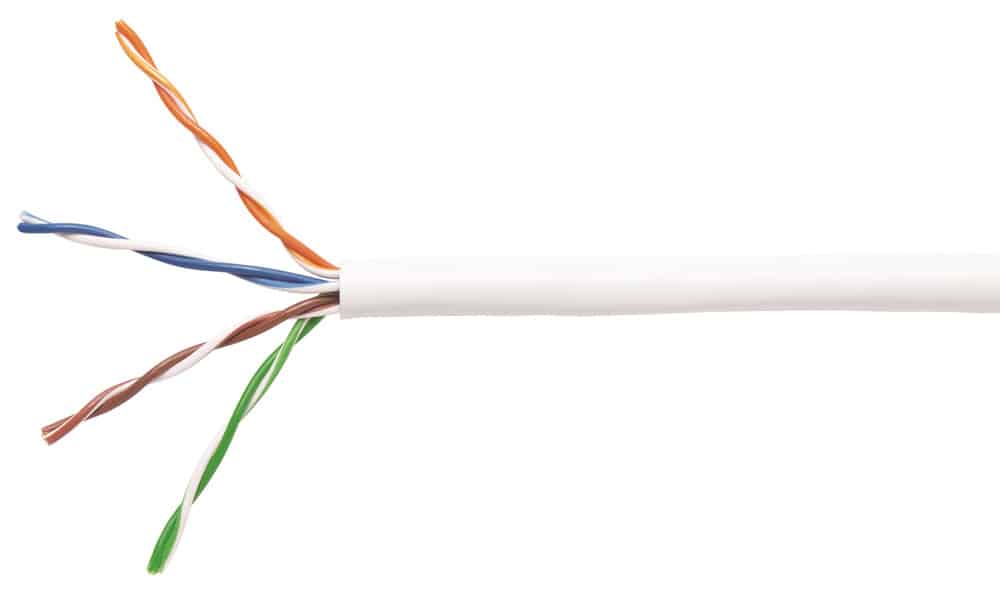
Cat 3 Cable: Exploring its Legacy
Category 3 Cabling is the third-lowest grade of unshielded twisted-pair (UTP) cabling. Category 3 cabling was designed to support digital voice and data communication at speeds up to 10 Mbps.
-
![Category 2 Cabling [Cat2 Cable]](https://test.fikaki.com/wp-content/uploads/2019/09/cat-2-pair-cables.jpg)
Category 2 Cabling [Cat2 Cable]
Dive into the history and specifications of Category 2 (Cat2) cabling, a foundational yet outdated technology in networking. Learn about its common uses, technical limitations, and why it was phased out.
-
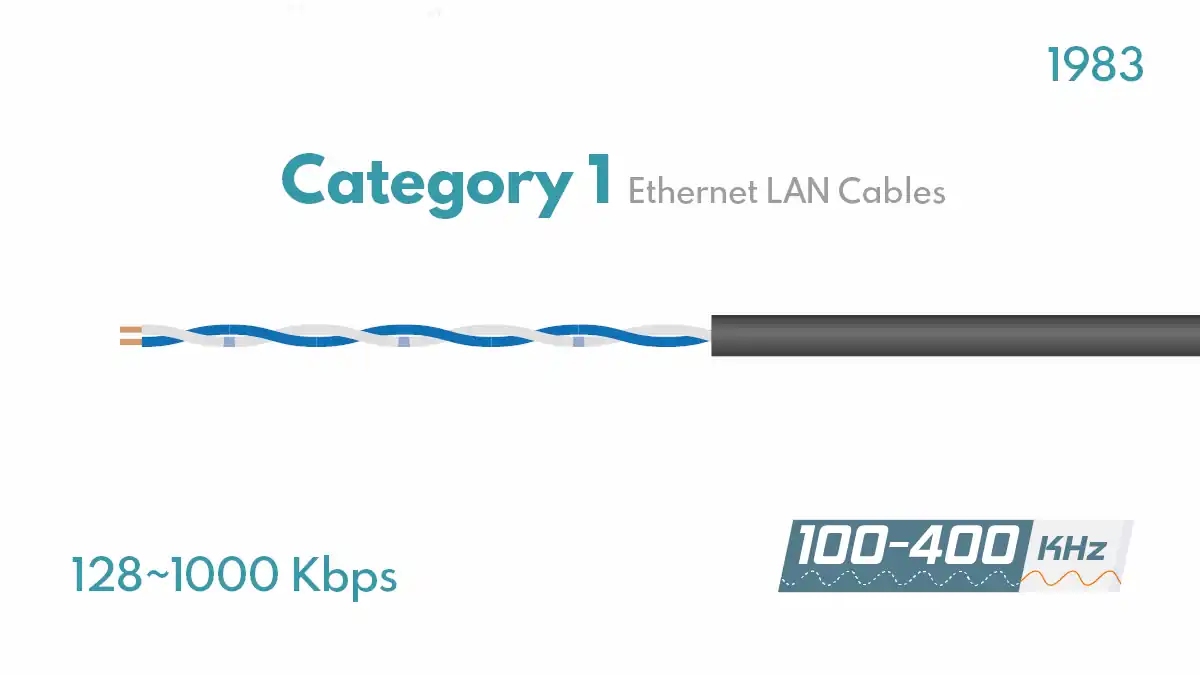
Category 1 Cabling (CAT1 Cable)
Discover the history and limitations of Cat1 cable, a voice-only communication relic. Learn why it’s phased out and how it compares to modern cables.
-
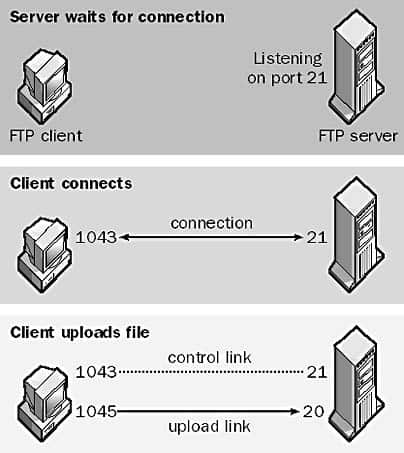
File Transfer Protocol (FTP)
FTP stands for File Transfer Protocol is an Internet standard application-level TCP/IP protocol that can be used for transferring files between hosts on a TCP/IP internetwork.
-
FAT32
FAT32 is an enhanced version of file allocation table (FAT), supported by Microsoft Windows 95 OSR2, Windows 98, and Windows 2000.
-
MS-DOS
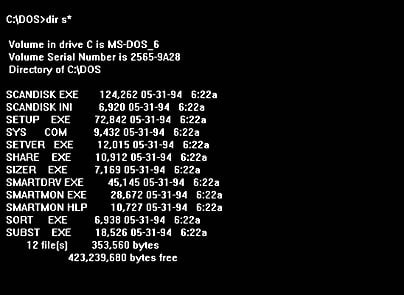
MS-DOS is the venerable operating system created by Microsoft for the first IBM personal computer in 1981. In this article: How DOS works, History, list of commands, list of versions, and more.
-

File Allocation Table (FAT)
FAT stands for File Allocation Table, is specifically, a table maintained on a hard disk by MS-DOS and Microsoft Windows operating systems that acts as a table of contents, showing where directories and files are stored on the disk.
-
NTFS File System Architecture Unveiled
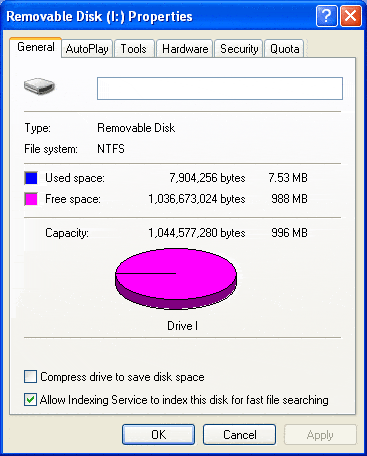
A deep dive into the NTFS File System, exploring its structure, functions, security features, and more. Unlock the intricate details of this essential Windows component.