
Category: A to Z
-

Security Identifier (SID)
Unlock the secrets of Windows Security with our deep dive into SIDs! Explore how these unique identifiers safeguard your system.
-

Uniform Resource Locator (URL)
Uniform Resource Locator, or URL, is an addressing scheme that enables browsers such as Microsoft Internet Explorer and software such as File Transfer Protocol (FTP) clients to access various resources on the Internet.
-

FQDN: Fully Qualified Domain Name
Dive into the essentials of FQDN, understanding its structure, significance in DNS, and its role in the digital world. A complete guide to fully qualified domain names.
-
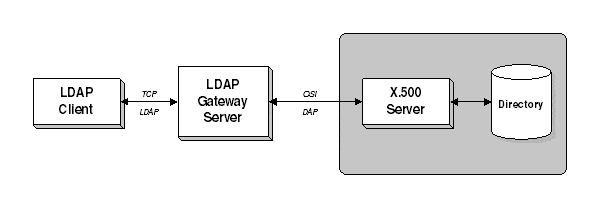
Lightweight Directory Access Protocol (LDAP)
LDAP stands for Lightweight Directory Access Protocol is an Internet protocol for accessing and updating information in an X.500-compliant directory.
-
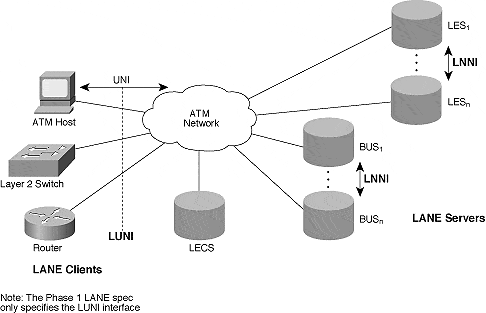
LAN emulation (LANE)
LAN Emulation, also known as LANE, is an Asynchronous Transfer Mode (ATM) technology that enables local area network (LAN) traffic such as Ethernet frames to be carried over an ATM network.
-
IEEE – Institute of Electrical and Electronics Engineers
IEEE stands for Institute of Electrical and Electronics Engineers is a worldwide nonprofit association of technical professionals that promotes the development of standards and acts as a catalyst for new technology in all aspects of the engineering industry, including computer networking, telecommunications, electric power, aerospace, and consumer electronics.
-

Fractional T1 Lines: Customizing Bandwidth for Efficiency
Explore Fractional T1, a scalable telecom solution offering a portion of the standard T1 line’s 1.544 Mbps bandwidth, tailored for specific business needs.
-
Domain Controller
Domain Controller is a Microsoft Windows Server that manages the domain security policy.
-
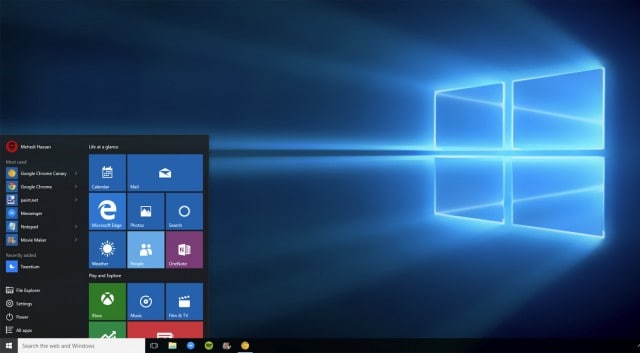
Windows Desktop
Explore the evolution and functionalities of the Windows Desktop, the user’s on-screen work area for managing tasks, files, and more. Learn how Windows Desktop has transformed from Windows 95 to Windows 10.
-
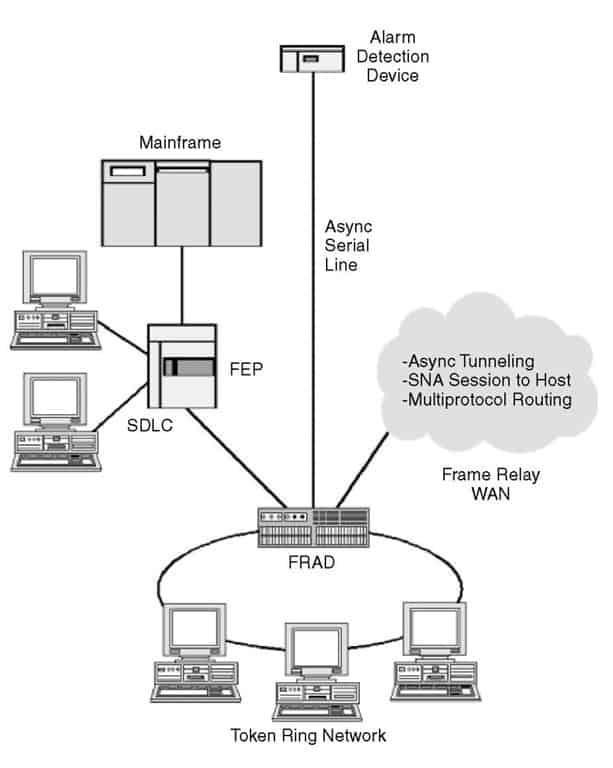
Frame Relay Access Device (FRAD)
Sometimes called a frame relay assembler/disassembler, FRAD is a telecommunications device that enables a customer site to be connected to a frame relay service.
-
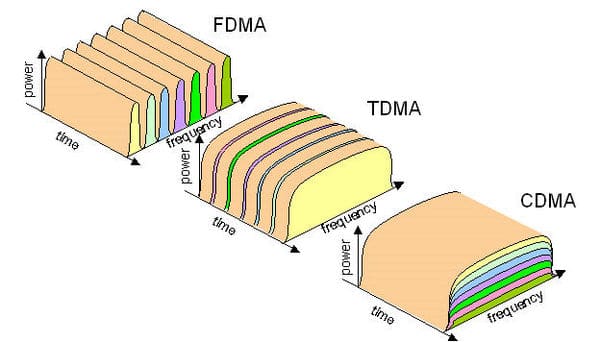
Code Division Multiple Access (CDMA)
CDMA is a digital cellular phone technology that uses spread-spectrum wireless networking technologies.
-

Channel Definition Format (CDF): The Web in Your Pocket
The Channel Definition Format (CDF) is an outdated technology. It was primarily used in the late 1990s and early 2000s as part of Microsoft’s Internet Explorer 4.0 to enable web content to be viewed in a push-like fashion, similar to a news feed.