
Category: A to Z
-
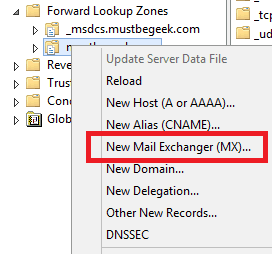
MX Record
MX Record stands for mail exchange record, is a resource record in Domain Name System (DNS) databases that is used to implement mail routing. MX records specify the host that will be used to process or forward Simple Mail Transfer Protocol (SMTP) mail for a given DNS domain.
-
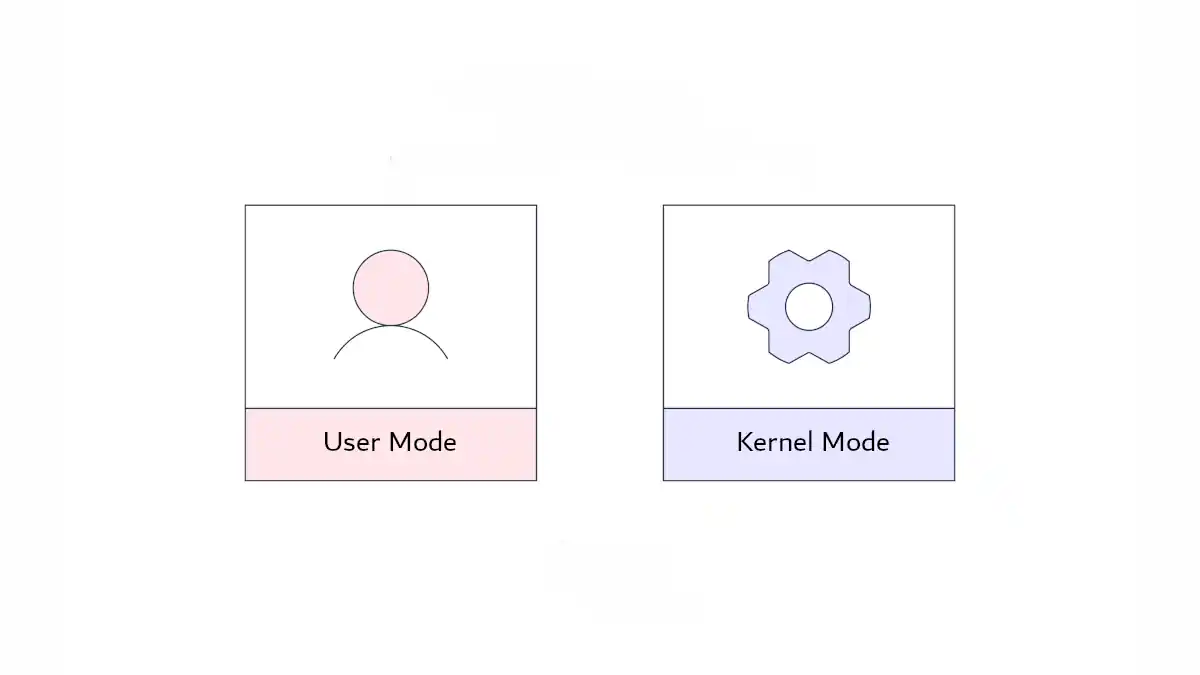
User Mode
Explore the multi-faceted concept of User Mode in computing and networking. From restricted modes in Microsoft OS to advanced networking scenarios.
-
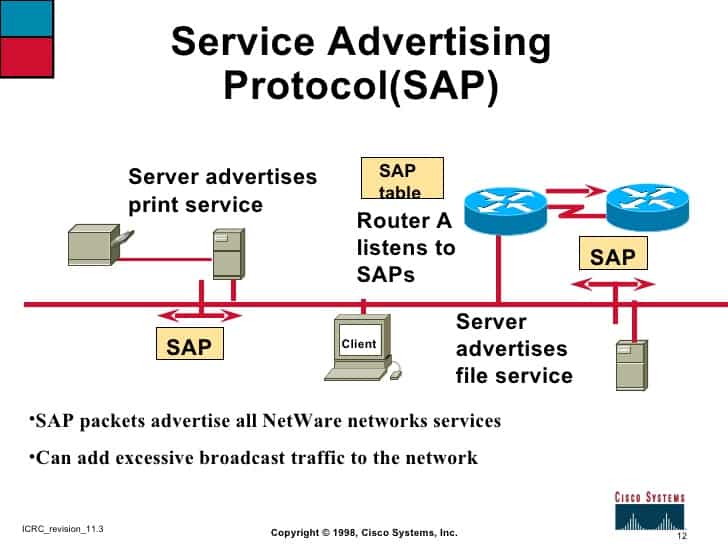
Service Advertising Protocol (SAP)
Service Advertising Protocol, also known as SAP, is a Novell NetWare protocol that is used with Internetwork Packet Exchange (IPX) to enable file and print servers to advertise their availability to clients on a network.
-
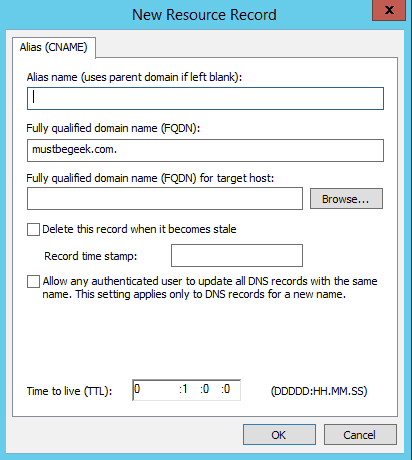
CNAME Record
CNAME Record stands for Canonical Name record, is a Domain Name System (DNS) resource record in a DNS server’s database or zone file. A CNAME record is used to map an alias to the canonical name (true name) of a server.
-

Long filenames in Windows: Bridging the Gap with MS-DOS 8.3
Explore the evolution of Long Filenames in Windows, their technical workings, and enduring significance in modern file management systems.
-
Caching service provider (CSP)
Caching Service Provider, also known as CSP, is a company that maintains caching servers that speed the transfer of information across the Internet’s infrastructure and offers managed access to these servers for a fee.
-

CryptoAPI
CryptoAPI is a core component of the latest versions of Microsoft Windows that provides application programming interfaces (APIs) for cryptographic security services that provide secure channels and code signing for communication between applications.
-
Connection Point Services (CPS)
Explore the functionalities and historical significance of Connection Point Services (CPS) in Microsoft RAS, and discover other meanings of the acronym CPS in networking.
-
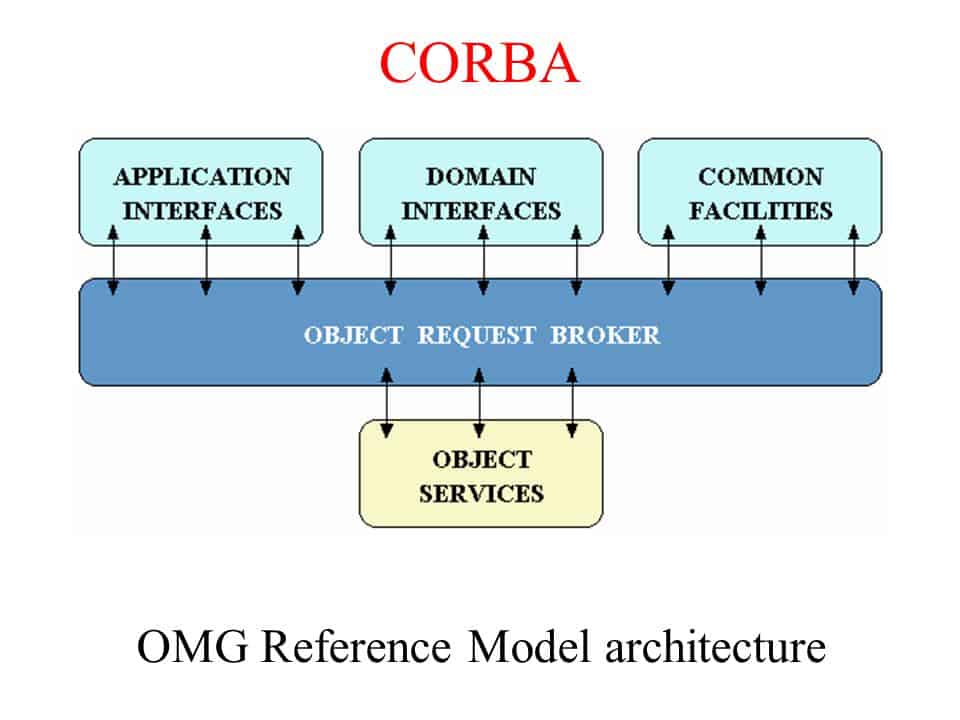
Common Object Request Broker Architecture (CORBA)
Common Object Request Broker Architecture, also known as CORBA, is a component architecture developed by the Object Management Group and its member companies that specify technologies for creating, distributing, and managing component programming objects over a network.
-
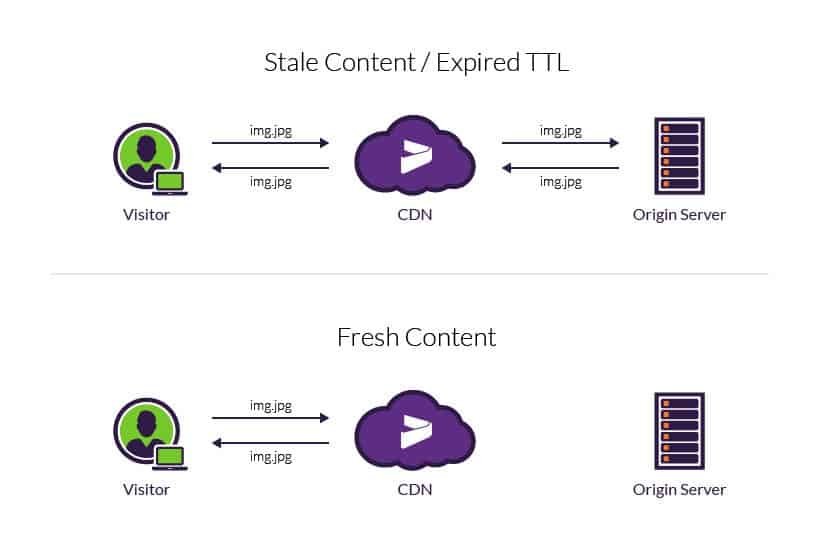
Time to Live (TTL)
Time to live, best known as TTL or Hop Limit, is a mechanism that limits the lifespan or lifetime of data in a computer or network. TTL may be implemented as a counter or timestamp attached to or embedded in the data.
-
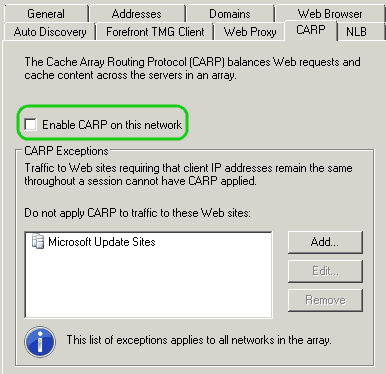
Caching Array Routing Protocol (CARP)
Caching Array Routing Protocol, also known as CARP, is a protocol developed by Microsoft and implemented in Microsoft Proxy Server that allows multiple proxy servers to be arrayed as a single logical cache for distributed content caching.
-

NetWare Protocols
NetWare protocols are the group of protocols developed for and specific to the Novell NetWare network operating system (NOS); popularized in NetWare versions 2 and 3. Some of the networking architecture of NetWare protocols evolved from the Xerox Network Systems (XNS) created in the late 1970s.