
Category: A to Z
-
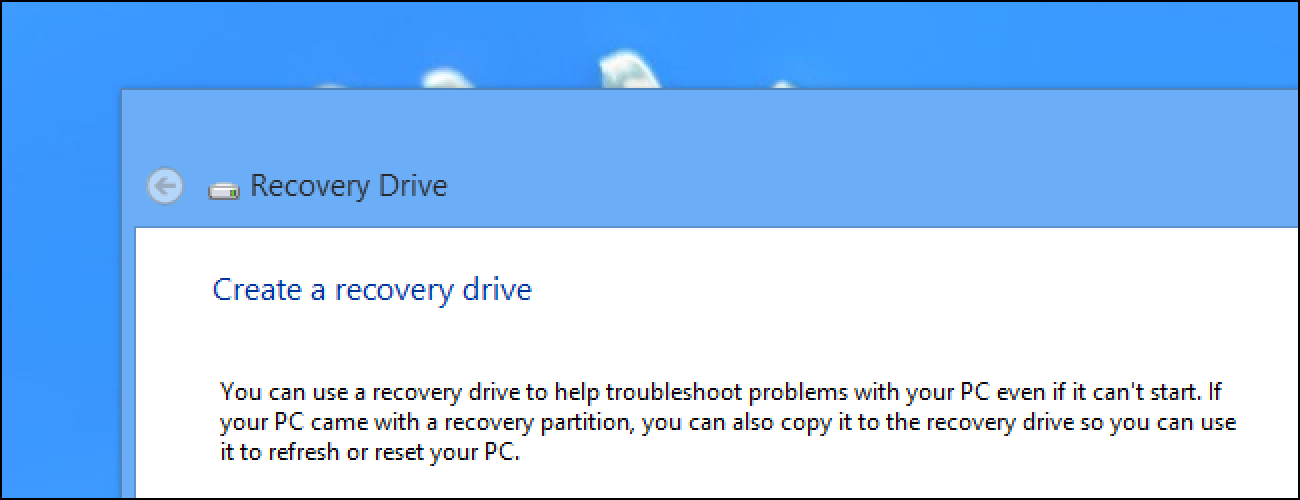
Emergency Repair Disk (ERD)
ERD or Emergency Repair Disk is a recovery tool for repairing missing or corrupt files or restoring the registry on a Microsoft Windows system. Having a current copy of the emergency repair disk for each server on your network is an important part of preparing for disaster recovery. In Windows 7, 8.1 and Windows 10…
-
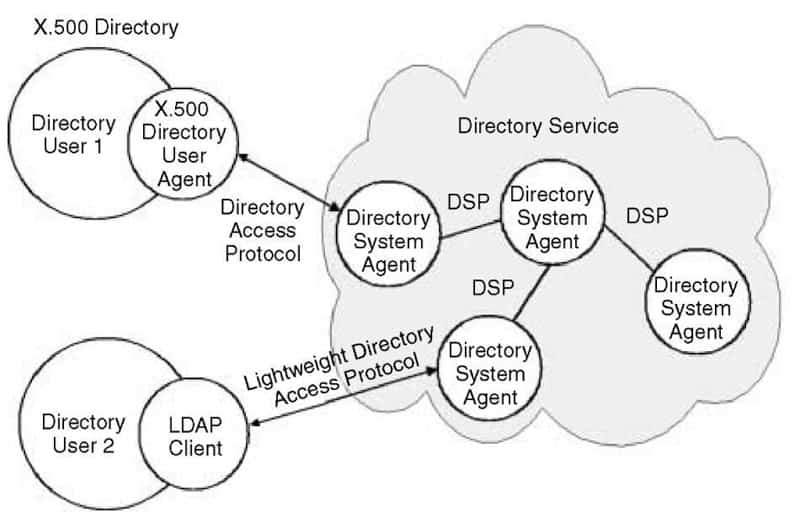
Directory Service
Directory Service is a tool for locating, managing, and organizing network resources, which can include volumes, folders, files, printers, users, groups, and other objects. A directory service is a core component of a network operating system (NOS) and functions much like the yellow pages of a phone book. For example, if you look up “printers,”…
-
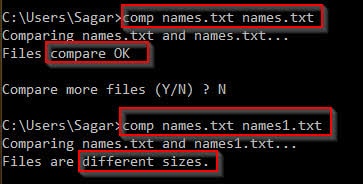
Comp Command
Comp Command is a Microsoft Windows command for performing a bytewise comparison of the contents of different files. The comp command is typically used for byte-by-byte comparison of text files, or for a comparison of the contents of two directories. Comp Command examples To compare C:\file1.txt and C:\file2.txt and show the differences between them as…
-

BSD UNIX
BSD UNIX stands for Berkeley Software Distribution UNIX, a version of UNIX that originated many common UNIX features such as the vi editor, C shell, and TCP/IP networking. BSD UNIX was developed in the 1970s at the University of California at Berkeley, which licensed the UNIX operating system from AT&T and then made a number…
-
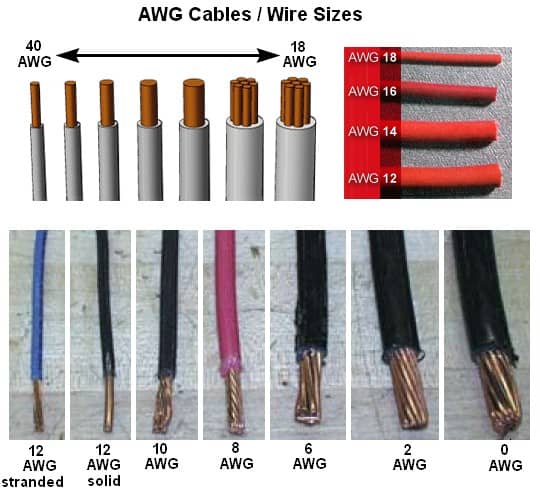
AWG (American Wire Gauge)
AWG is an acronym for American Wire Gauge, a specification for the diameter of conducting wires. The higher the AWG number, the thinner the wire. Category 5 cabling is usually AWG 24 wire (0.020 inch or 0.511 millimeter in diameter), while thicknet generally uses AWG 12 wire (0.080 inch or 2.050 millimeters in diameter). The…
-
Windows Update
Windows Update is an Internet-based tool for locating and installing updates and enhancements to the Microsoft Windows operating system’s families (workstations and servers). Windows Update can be thought of as an online extension of Microsoft Windows and is designed to help you get the most out of your computer. Windows Update was introduced as a…
-
Net-Library (SQL Server)
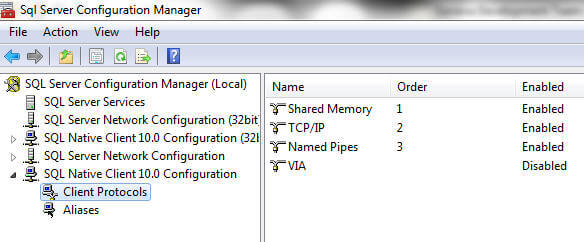
Net-library is a network interface layer that Microsoft SQL Server uses to communicate with database client software. How It Works Net-Libraries are specific to each type of interprocess communication (IPC) mechanism. A Net-Library can be loaded for each IPC mechanism being used – for example, one Net-Library for named pipes communication and another for TCP/IP…
-

Named Pipes: Bridging Processes Across Platforms
In this article, we delve into the evolution, functionality, and the pivotal role of named pipes in both Unix and Windows systems, providing a comprehensive guide that unravels their complexities and showcases their modern-day applications.
-

Next Generation I/O (NGIO)
Explore the journey of Next Generation I/O (NGIO) – a pivotal tech leap in server and network infrastructures. Dive into its legacy!
-
Infrared Data Association (IrDA)
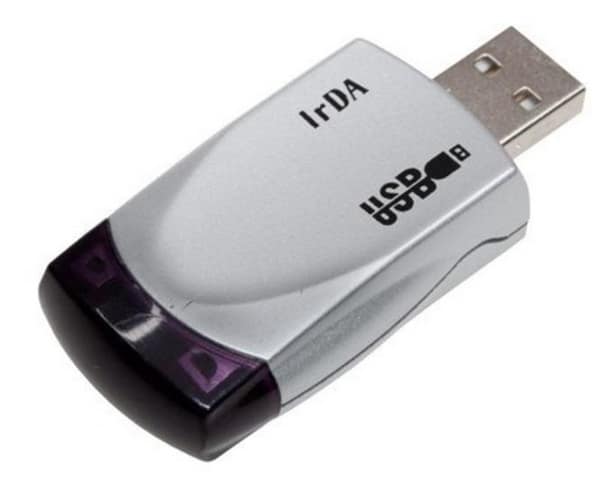
IrDA, stands for Infrared Data Association, is an international consortium of hardware and software manufacturers that creates and promotes interoperable solutions for infrared (IR) data networking for computer networks, communication, and other networking applications. The Infrared Data Association (IrDA), which was formed in 1993, has over 150 members from hardware, software, and communication sectors. It…
-
RS-422: Understanding the Basics
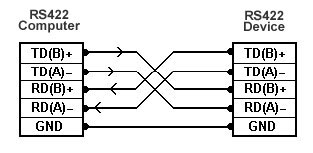
RS-422, a serial communication standard, stands as a cornerstone in the realm of data transmission. Developed to overcome the limitations of earlier standards like RS-232, RS-422 is renowned for its ability to maintain signal integrity over longer distances and in electrically noisy environments. This robustness makes it a go-to choice for industrial applications, where reliable…
-
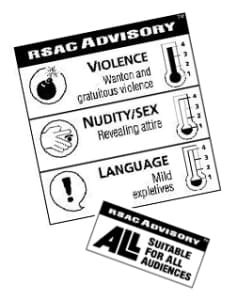
Recreational Software Advisory Council (RSAC)
RSAC stands for Recreational Software Advisory Council, a nonprofit organization with a content advisory system for Web sites on the Internet. The system, known as RSACi (Recreational Software Advisory Council on the Internet), allows Web site administrators to rate their sites according to degrees of potentially objectionable content. There are four types of content, each…