
Category: A to Z
-
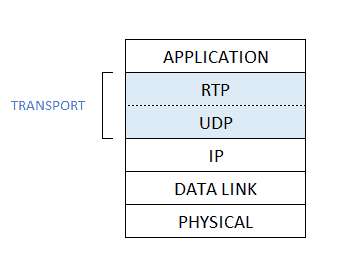
Real-time Transport Protocol (RTP)
The Real-time Transport Protocol (RTP) is a network protocol that provides end-to-end network transport functions suitable for applications transmitting real-time data, such as audio, video, or simulation data, over multicast or unicast network services. In this article: RTP Basics Real-time Transport Protocol (RTP) runs on top of UDP. Specifically, audio or video chunks of data,…
-

Understanding %systemroot% in Windows: A Comprehensive Guide
SystemRoot is the directory where the core of Microsoft Windows operating systems files are stored.
-
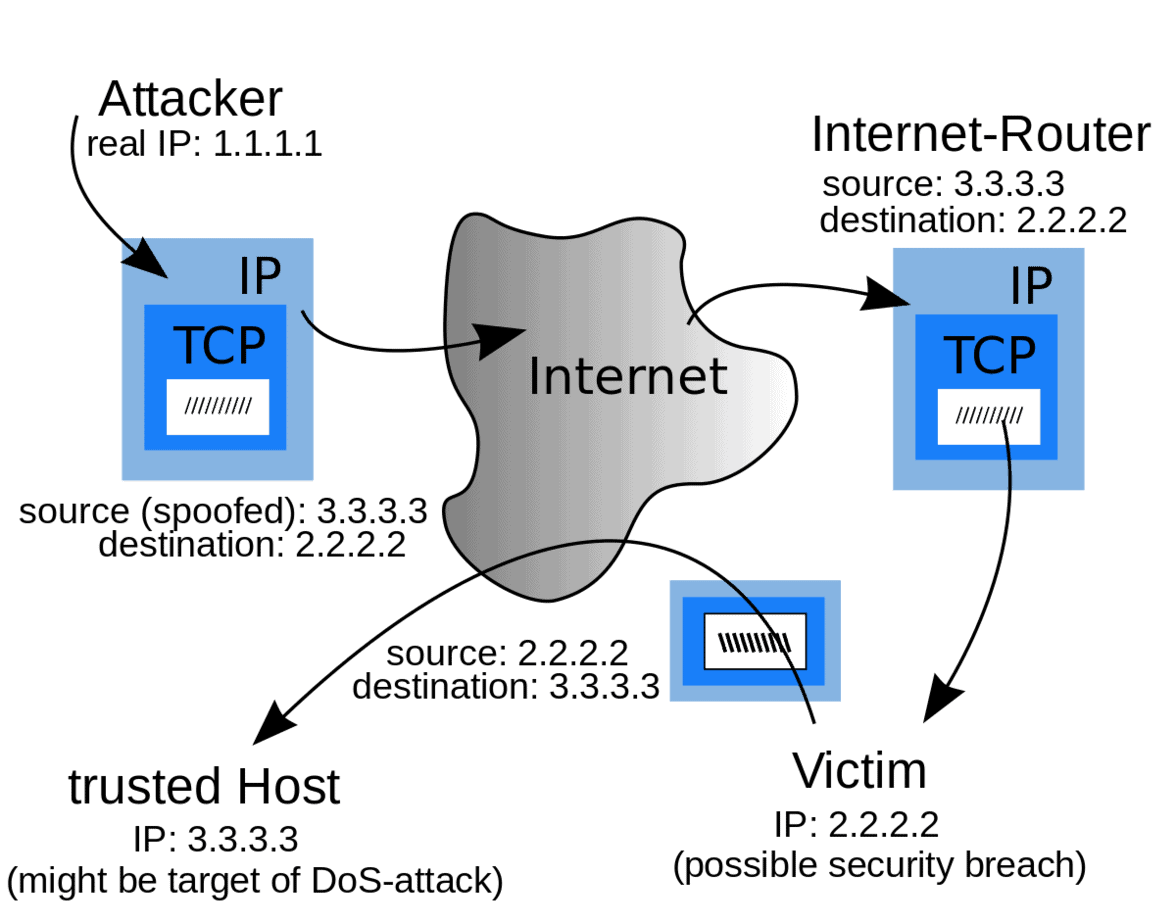
What is an IP Spoofing Attack?
IP spoofing is a technique used to gain unauthorized access to computer systems or networks by disguising the source IP address of a packet. This goal is accomplished by altering the source addresses of packets, making them appear as though they came from a trusted user within the network, rather than from a distrusted outside…
-
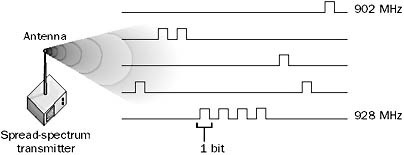
Frequency-hopping spread spectrum
FHSS is a spread-spectrum transmission technology for wireless networking. Spread-spectrum wireless technologies trade throughput for increased reliability, and were originally developed by the U.S. military to provide communication that could not easily be jammed. How it works This method transmit radio signals rapidly changing the carrier frequency among many distinct frequencies occupying a large spectral…
-

Environment Variables: Unveiling the Hidden Power in Windows
In this article, we’ll dive deep into the world of Environment Variables, exploring their types, purposes, and the vital role they play in the smooth running of Windows OS.
-

Understanding the autochk.exe file
Uncover the essentials of Autochk in Windows: Learn how this key utility maintains system integrity, how to use it, and manage its settings for optimal performance.
-
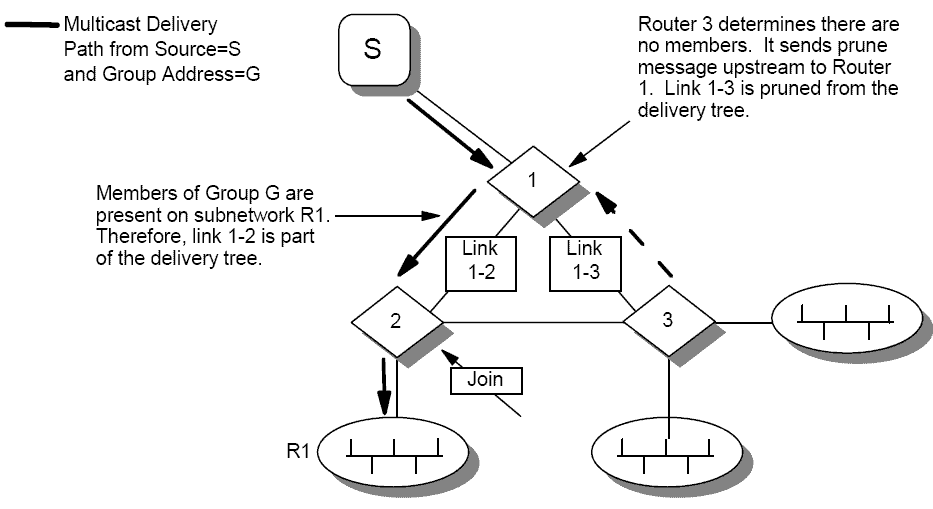
Multicast Forwarding Algorithms
Multicast algorithms are used to establish paths through the network. These paths allow multicast traffic to effectively reach all group members. Each algorithm should address the following set of requirements: The algorithm must route data only to group members. The algorithm must optimize the path from source to destinations. The algorithm must maintain loop-free routes.…
-

Computer Networks: A Starter Exploration
Dive into the essentials of computer networks with this authoritative guide, crafted to demystify the complex interactions and technologies that connect computers globally.
-
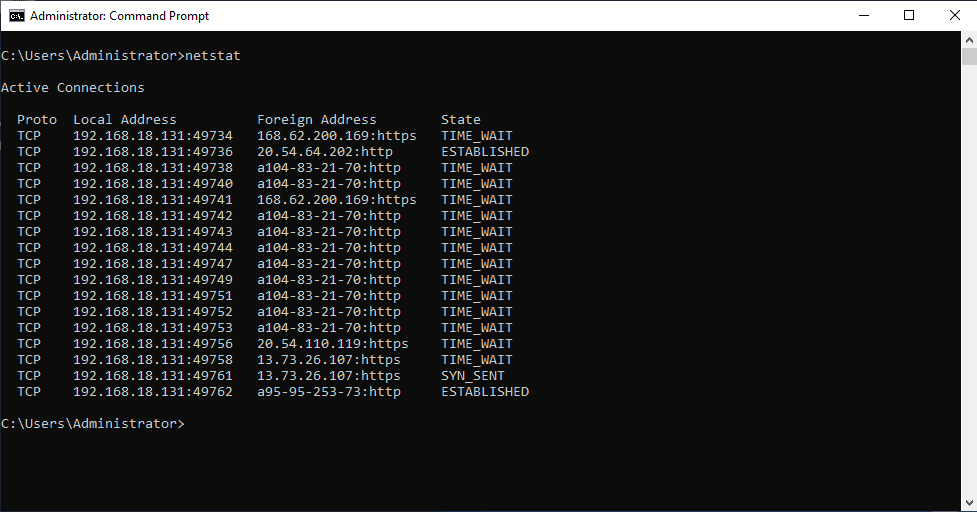
NETSTAT COMMAND
NETSTAT which stands for NETwork STATistics is a TCP/IP utility that displays the current TCP/IP connectivity status and statistics.
-
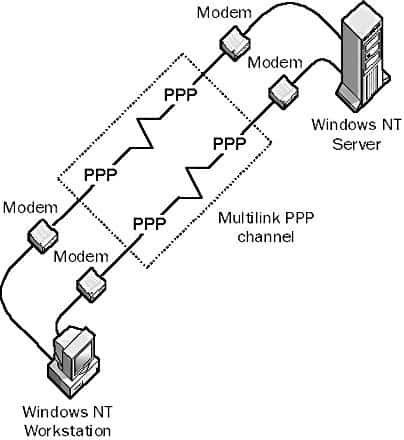
Multilink Point-to-Point Protocol (MPPP)
MPPP which stands for Multilink Point to Point Protocol is a protocol for inverse multiplexing of Point-to-Point Protocol (PPP) communication links. Multilink Point-to-Point Protocol (MPPP) is an extension of the industry-standard PPP. MPPP can also be abbreviated as MP or MLP. How it works An ordinary dial-up modem connection to the Internet through an Internet…
-
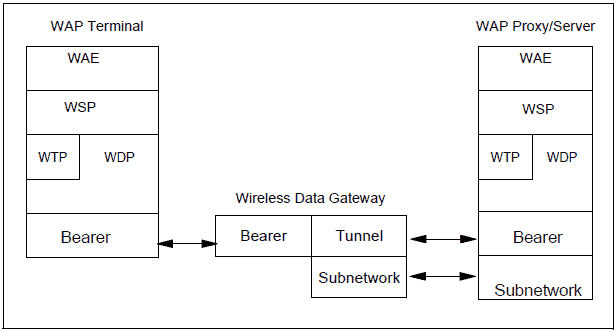
Wireless Datagram Protocol (WDP)
Wireless Datagram Protocol, also known as WDP, provides a consistent service to the upper layers (security, transaction, and session) of the WAP architecture. It is defined in the OMA WAP-259-WDP-20010614-a specification, and allows applications to operate transparently over different available bearer services. It communicates transparently over the different bearer services supported by multiple network types.…
-
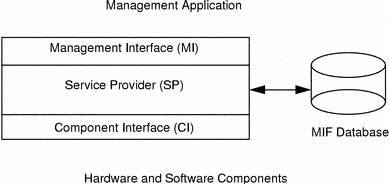
Management Information Format (MIF)
Explore the pivotal role of Management Information Format (MIF) in simplifying device management in modern computing environments.