
Category: A to Z
-

BASIC Programming Language
The BASIC Programming Language was originally developed at Dartmouth College in 1964. BASIC stands for Beginners’ All-purpose Symbolic Instruction Code.
-

Root
Root is the base of a hierarchical file system. It can also be the UNIX superuser or the CERN Data Analysis Framework, and more. Just read the article.
-
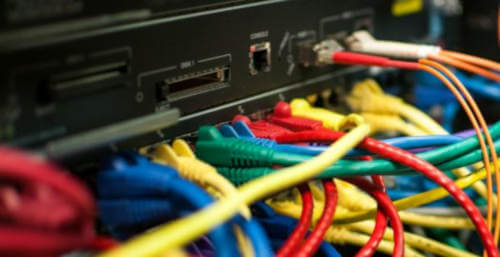
Layer 2 Tunneling Protocol (L2TP)
Layer 2 Tunneling Protocol is an Internet Engineering Task Force (IETF) standard tunneling protocol that is used to encapsulate Point-to-Point Protocol (PPP) frames for transmission over TCP/IP.
-
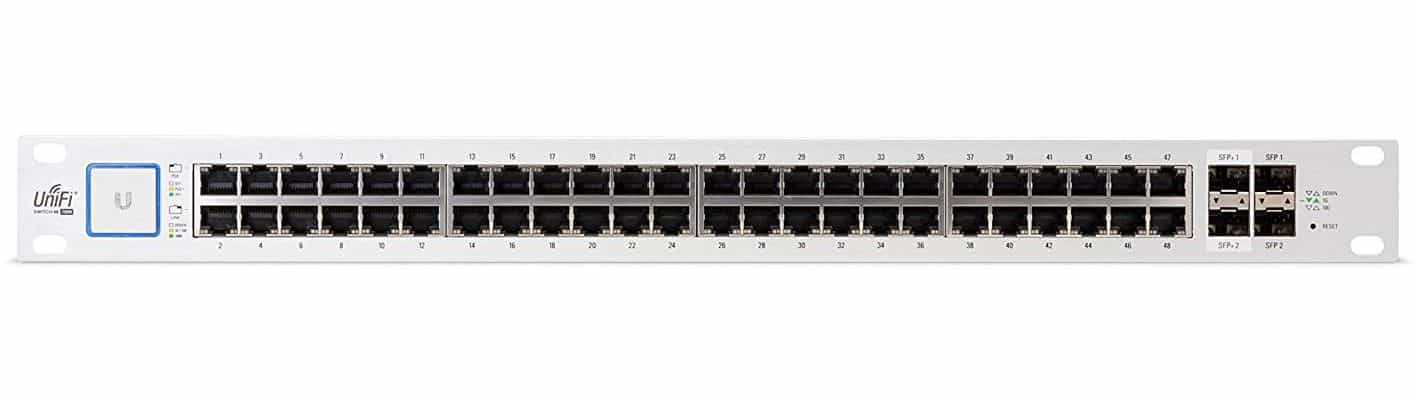
Layer 2 Switch
This article describes Layer 2 Switch, a form of Ethernet switch. How it operates and when to use it.
-
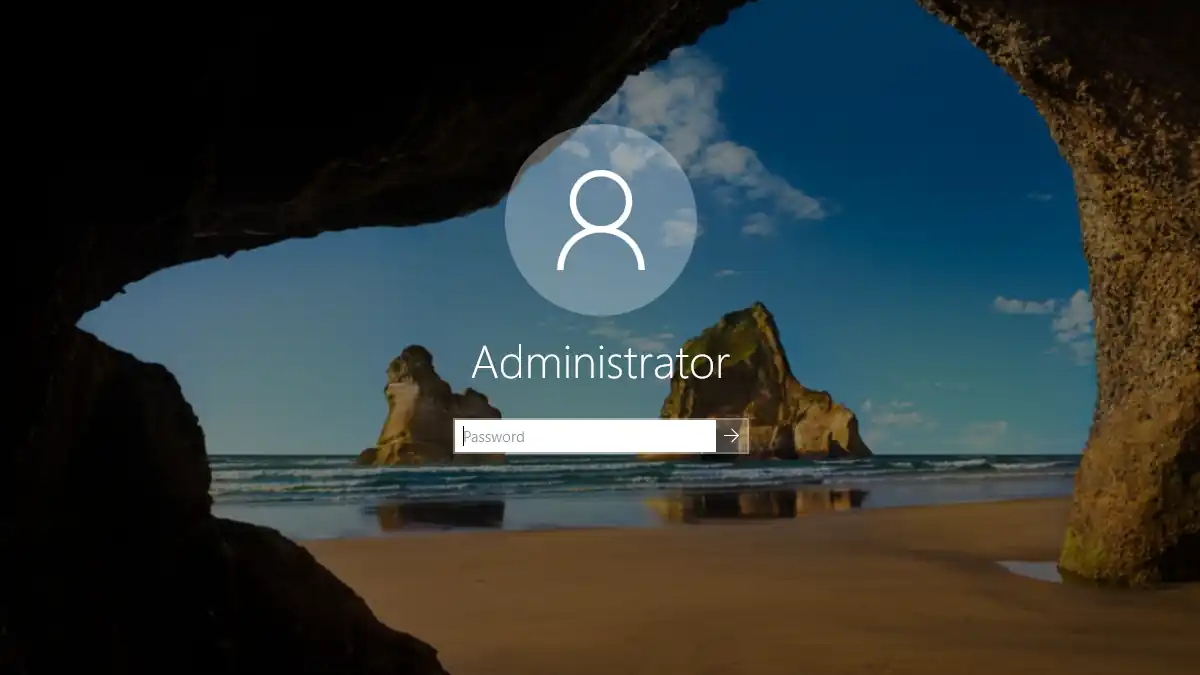
Credentials
Unlock the layered world of credentials in computer science and networking. Learn the types, uses, and best practices. Your key to understanding security.
-
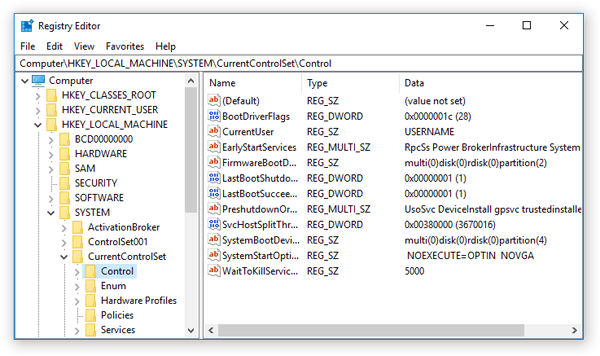
Windows Registry
Learn what Windows Registry is, how it works, and how to back up, edit and restore it.
-
Country Code in the Domain Name System
Learn what the Country Code is. A two-letter code identifying top-level domains for countries in the Domain Name System (DNS).
-
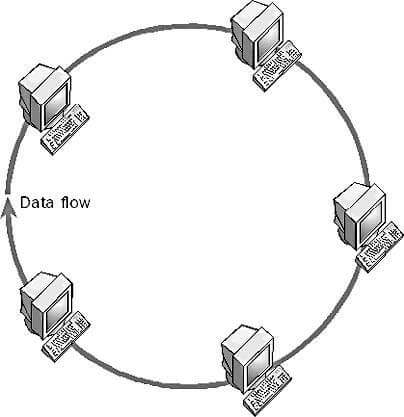
Ring Topology
Unlock the mysteries of Ring Topology with our comprehensive guide. Learn the nuances between single and dual rings, its pros and cons, and key protocols like Token Ring and FDDI.
-
P-Series Protocols
Learn what P-Series Protocols are. A group of protocols that are part of the X.400 messaging standards.
-
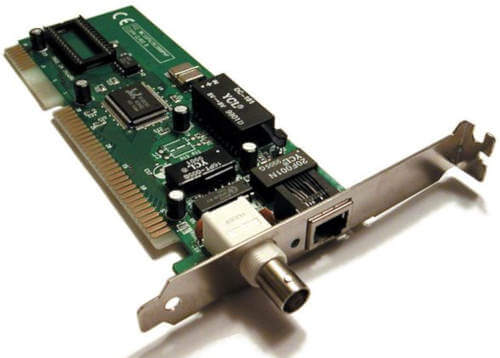
What is a Transceiver?
Learn what is a Transceiver. An electronic device for connecting a computer to a baseband transmission network so that the computer can transmit and receive signals on the network.
-
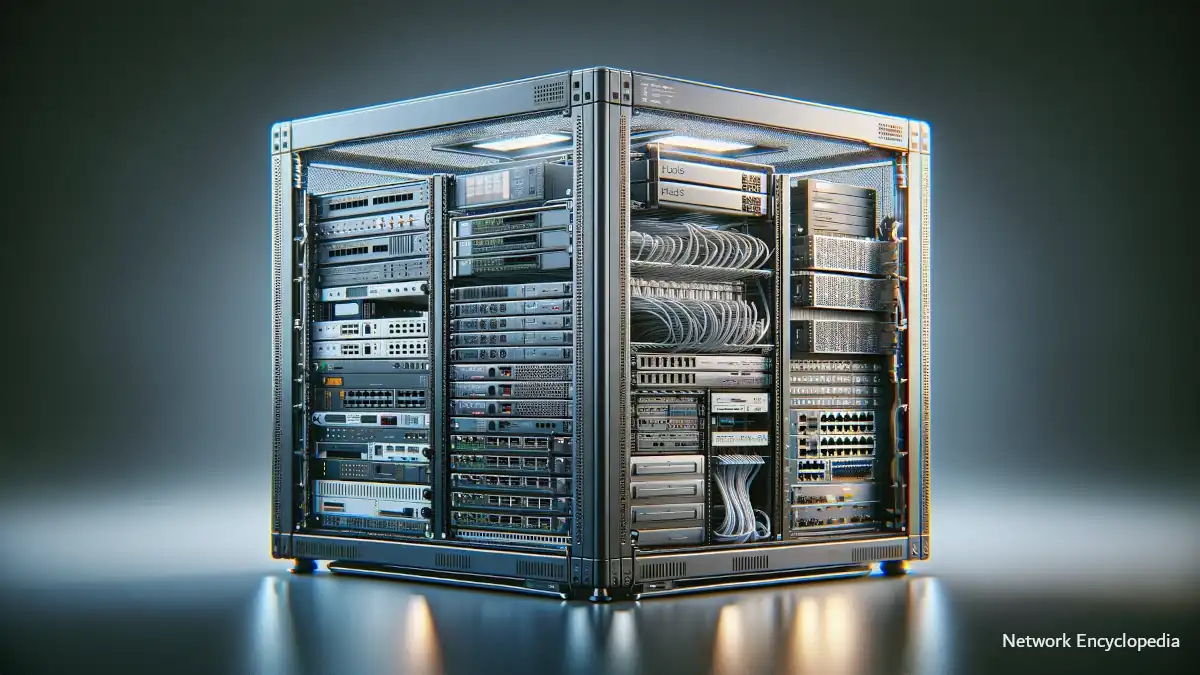
Networking Rack Guide: Organizing Your Devices
Discover the multifaceted world of networking racks, from enhancing functionality with smart accessories to adopting specialized solutions for comprehensive cable management and earthquake-proofing. This guide delves into the essential role of racks in organizing, protecting, and optimizing your network infrastructure, offering valuable insights for IT professionals navigating the complexities of modern networking environments.
-
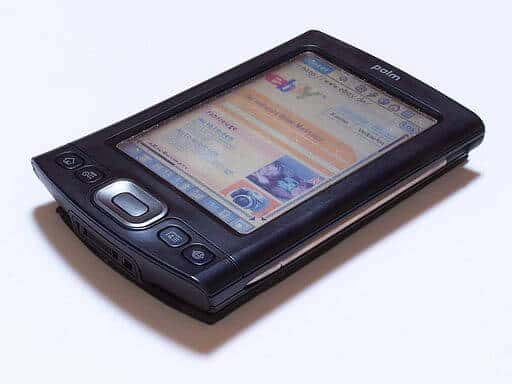
Personal Digital Assistant (PDA)
A Personal Digital Assistant (PDA) was a handheld computer that was programmed for functions such as keeping track of appointments, sending and receiving e-mail, browsing the Internet, composing memos, performing spreadsheet calculations, managing contacts, banking, and viewing stock quotes.