
Category: A to Z
-
![Windows 1.0: Microsoft’s Bold Leap into GUIs [1985]](https://test.fikaki.com/wp-content/uploads/2023/06/windows-1-0.webp)
Windows 1.0: Microsoft’s Bold Leap into GUIs [1985]
Delve into the intriguing history of Windows 1.0, Microsoft’s first graphical user interface. Uncover the revolutionary features, hardware requirements, and the public’s reaction to this groundbreaking release in the mid-’80s.
-
TCP Window: Optimizing Data Flow in Network Communication
In this article, we will explore the TCP Window, its significance in TCP connections, and how it contributes to achieving reliable and high-performance data transfer.
-
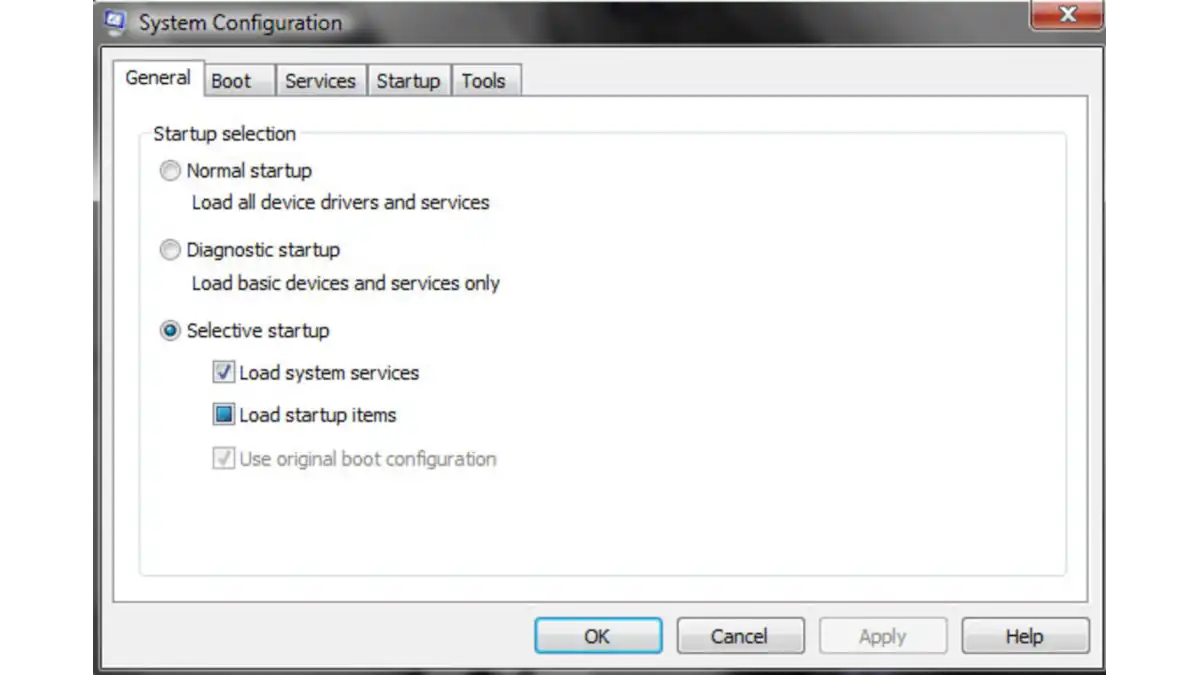
msconfig: Windows System Configuration Utility
In this entry, we will explore the functionality of the “msconfig” utility, which allows users to tweak various system settings and optimize the performance of their Windows-based networks.
-
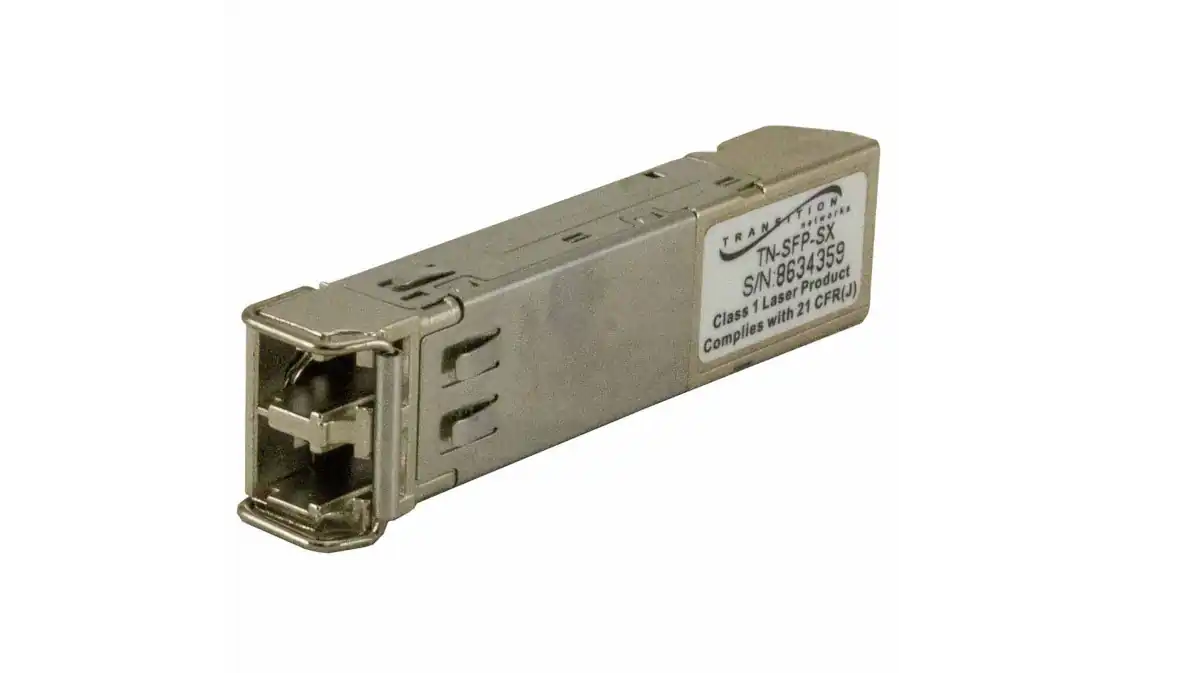
Small Form-Factor Pluggable (SFP)
In this article, we will explore the Small Form-Factor Pluggable (SFP) and delve into its features, benefits, and its significance in modern network architectures.
-
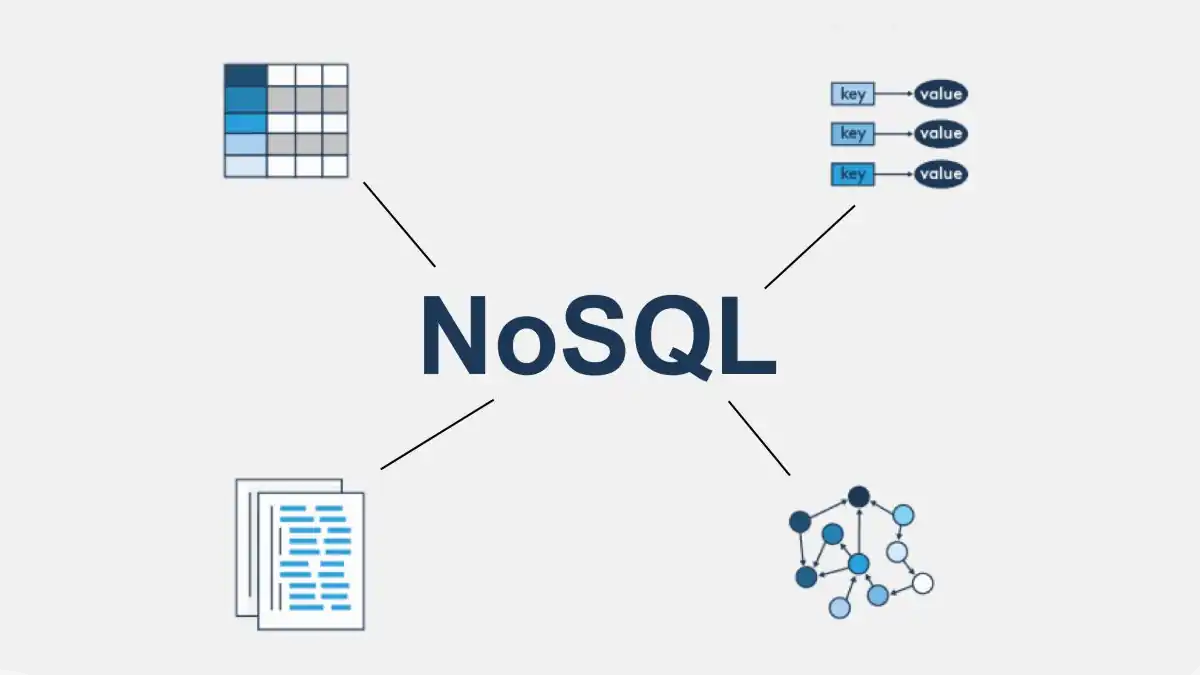
NoSQL Database Concepts
In this comprehensive guide, we’re going to dive into the essential concepts of NoSQL databases, including key-value stores, document stores, column-family stores, and graph databases.
-
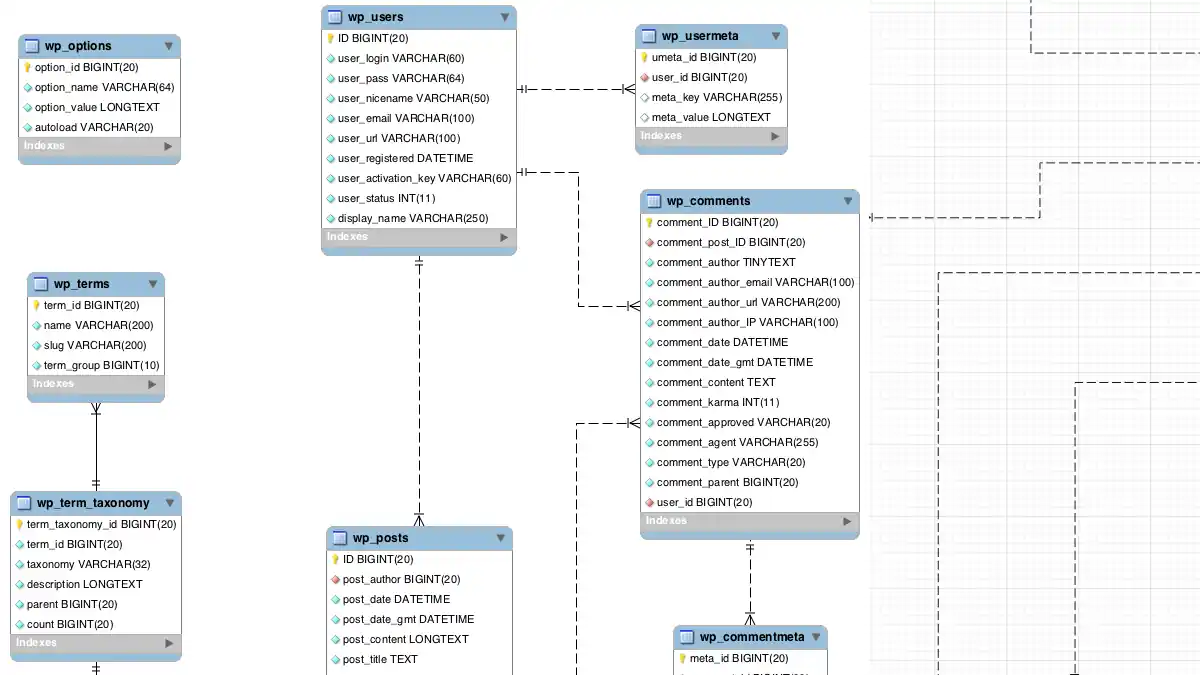
Relational Database: A Comprehensive Guide
A relational database is a structured repository of data organized into tables, each consisting of rows and columns. Fasten your seatbelts and get ready to delve into the world of data architecture like never before!
-
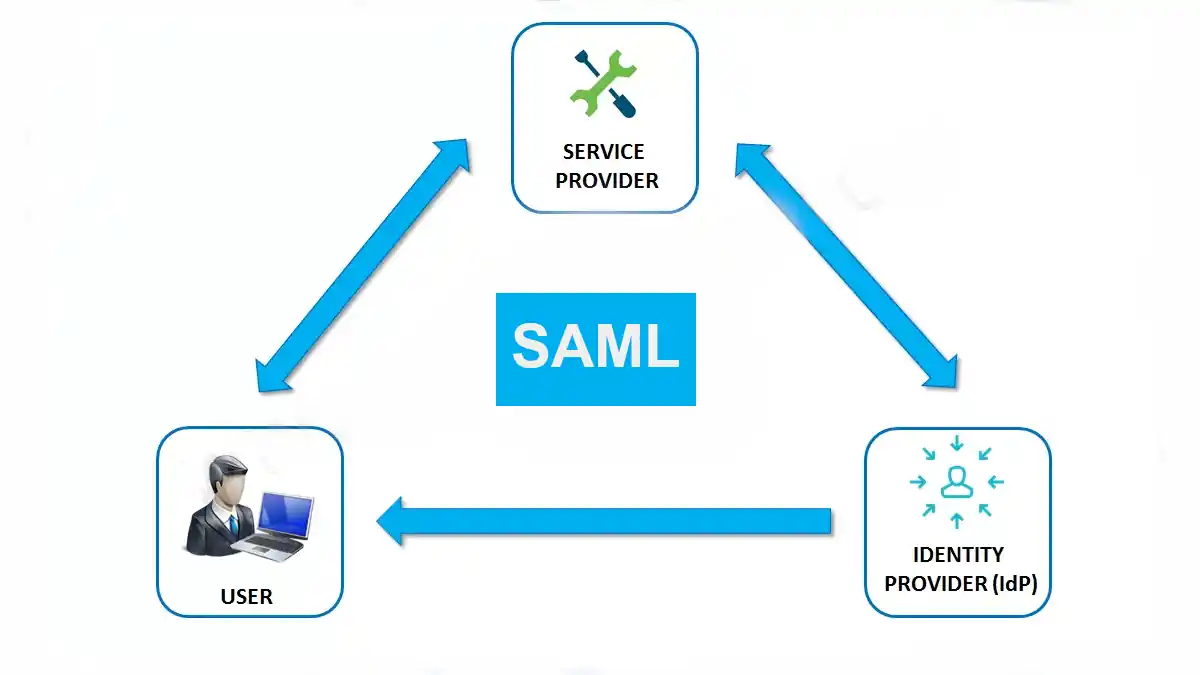
Security Assertion Markup Language (SAML)
It’s time to talk about Security Assertion Markup Language (SAML). Welcome to the exciting realm of network security and access management!
-

Understanding Critical Applications
Do you know what a critical application is? Some applications are more important than others, and these are known as critical applications.
-
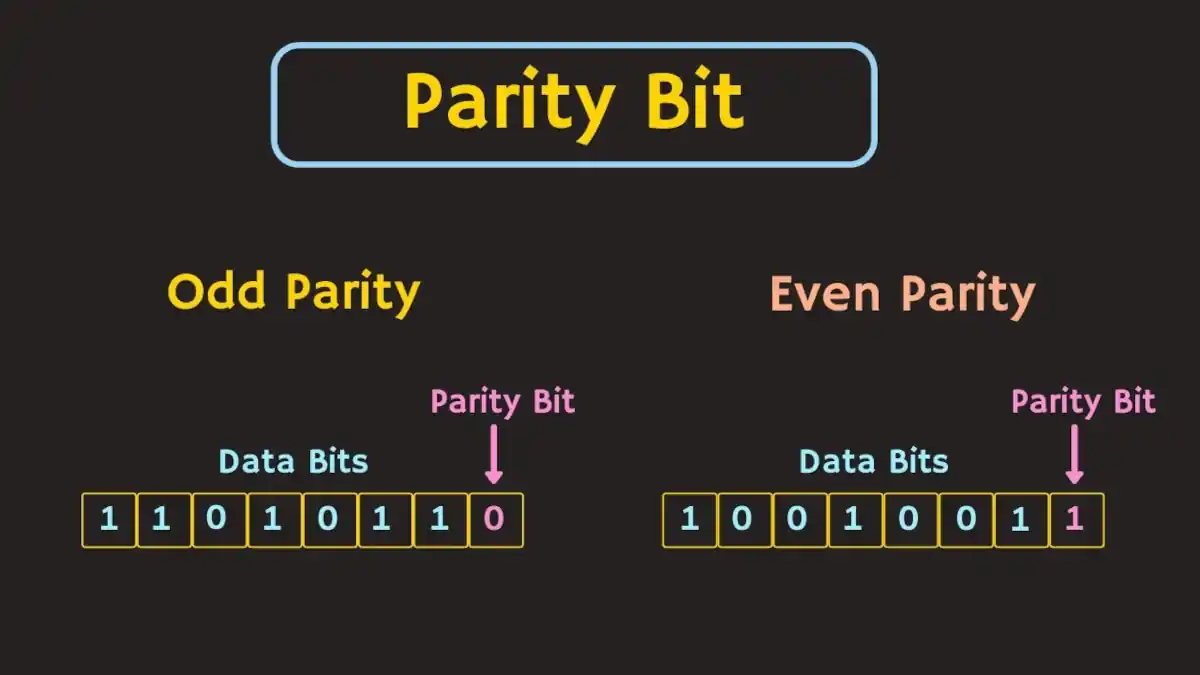
Parity Bit
A parity bit is a simple form of error-detecting code that is added to a block of data for error-detection purposes.
-
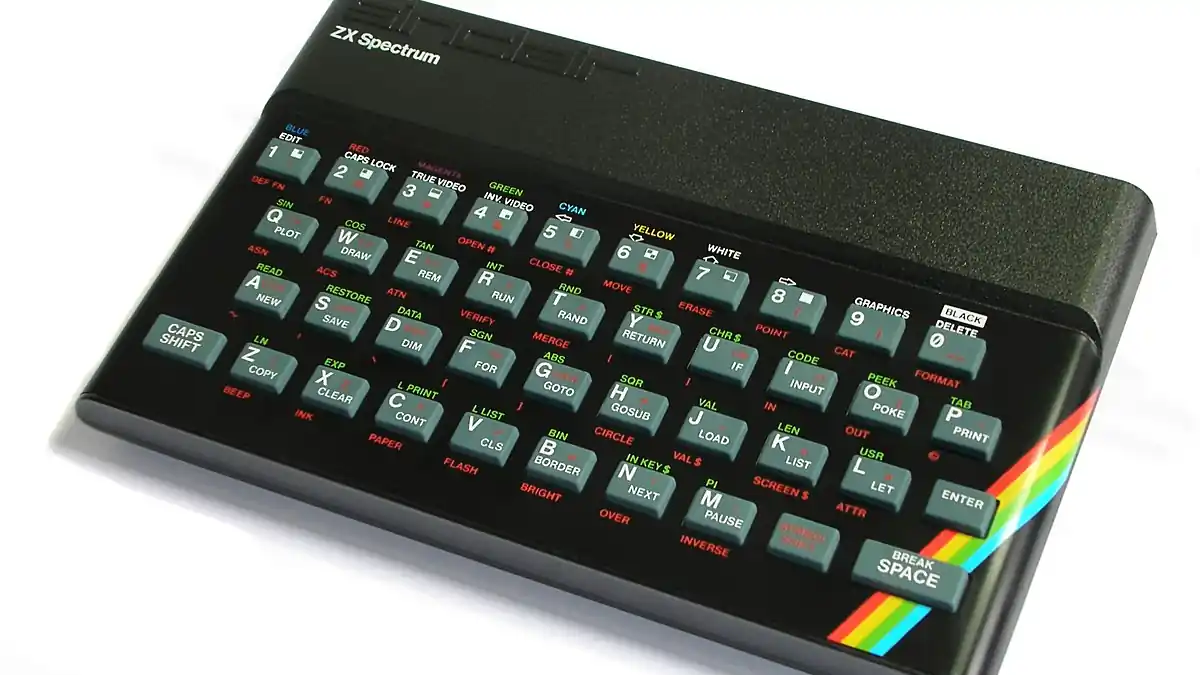
Unleashing Nostalgia: The ZX Spectrum
Welcome to the extraordinary story of the ZX Spectrum, a revolutionary machine that defined an era and captured the hearts of countless enthusiasts.
-
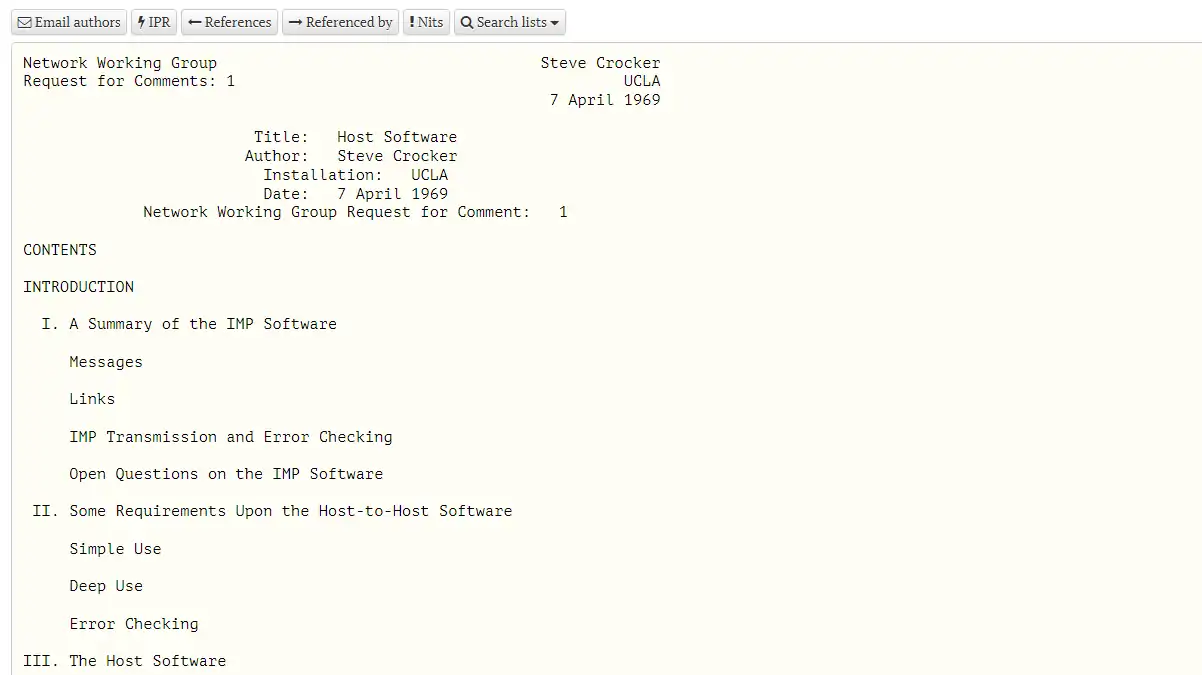
Internet-Standard Management Framework
The Internet-Standard Management Framework refers to a set of protocols, standards, and guidelines used for managing and monitoring network devices, systems, and services within an Internet environment.
-
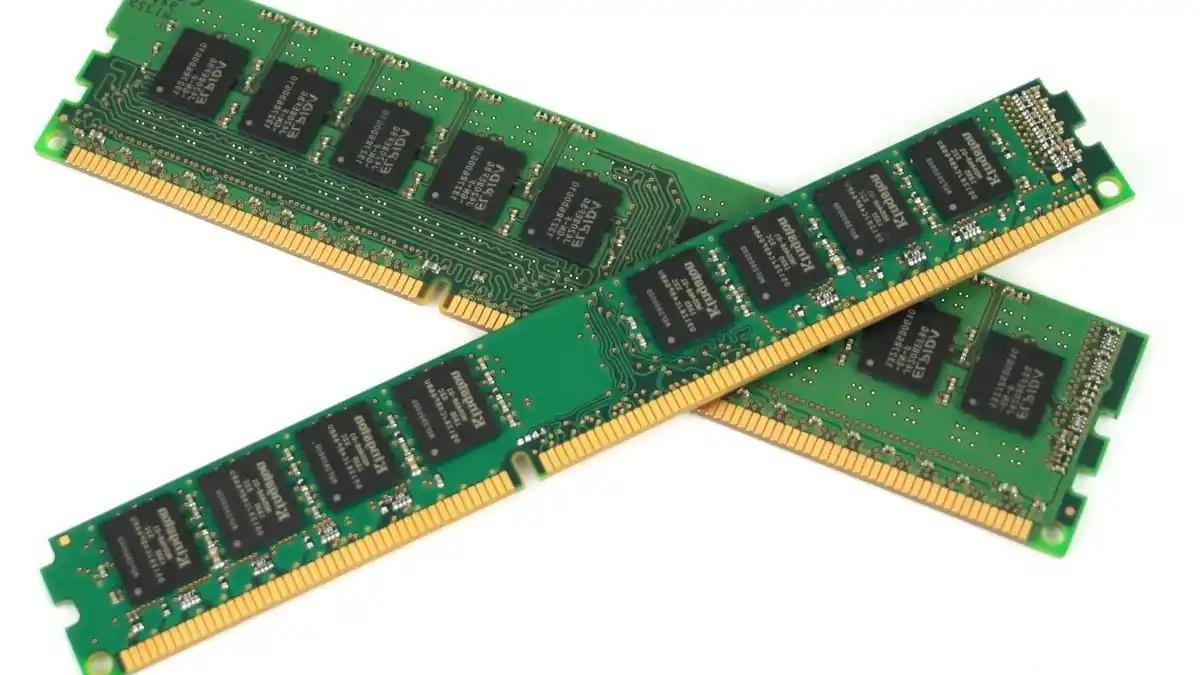
ECC RAM
ECC RAM stands for Error-Correcting Code RAM. It’s a specialized form of computer memory that integrates sophisticated error detection and correction functionalities.