
Our Latest Articles
-

Customer Premises
Customer Premises is a general term referring to your local company’s networking environment.
-

Telecommunications Industry Association (TIA): Pioneering the Telecommunications Revolution
Dive into the TIA’s impact on telecom, exploring its origin, role, and influence in shaping our connected world.
-
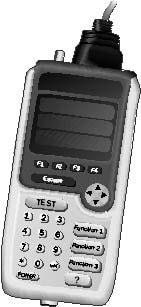
Cable Tester
A Cable Tester is a device for measuring the integrity and transmission characteristics of cabling.
-
ASCII
Delve into ASCII, the American Standard Code for Information Interchange, which encodes English text for digital communication, featuring a complete guide to its characters and practical uses.
-
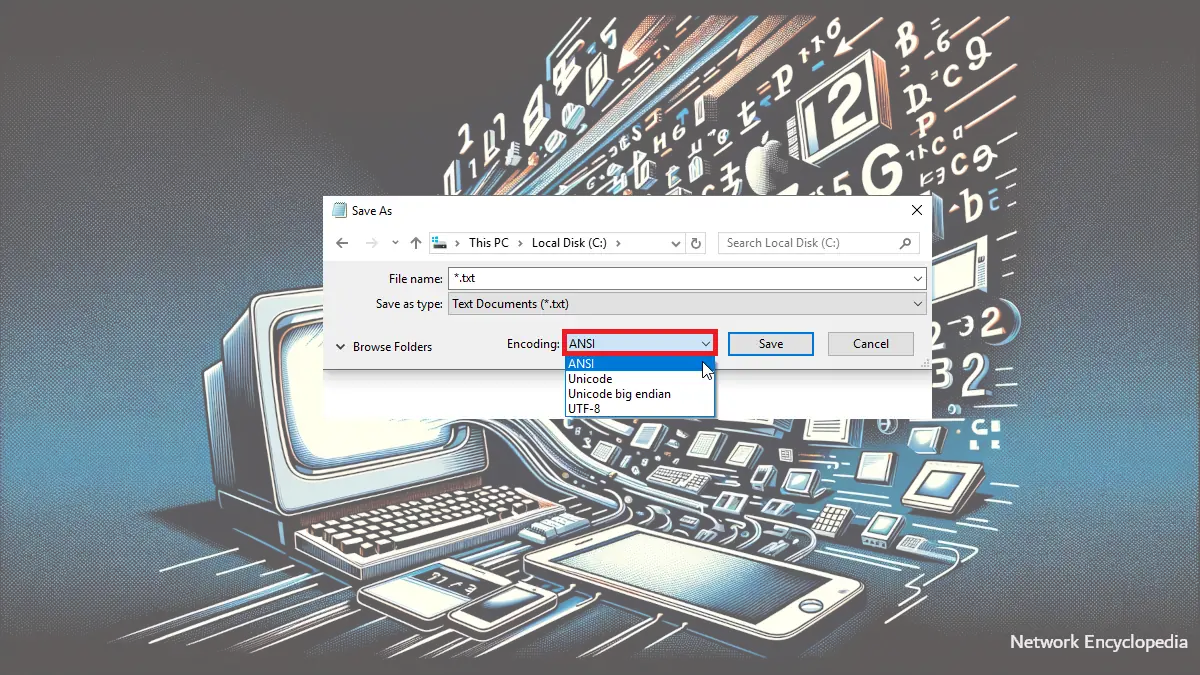
Understanding ASCII Files: The Basics of Text File Encoding
An ASCII File is a file that contains unformatted ASCII text: only characters, numbers, punctuation, tabs, and carriage return characters.
-
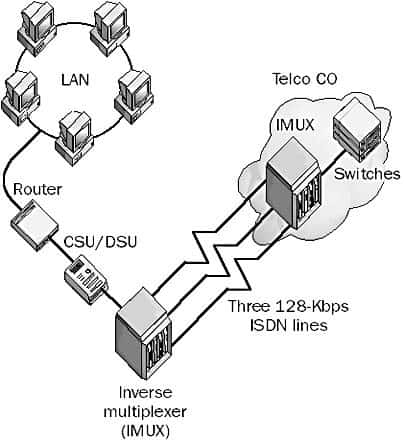
Inverse Multiplexing
Inverse Multiplexing is a networking and telecommunications technique of combining the bandwidths of a number of digital lines into a single virtual pathway for high-speed communication.
-
Inverse Multiplexer (IMUX)
Explore the ingenuity of IMUX in telecommunications, dissecting its role in efficient data streaming over multiple channels.
-

Understanding Time-Division Multiplexing: The Backbone of Efficient Communications
Time-Division Multiplexing (TDM) is a foundational technology in telecommunications that optimizes the use of bandwidth by dividing a single physical communication channel into multiple time slots.
-
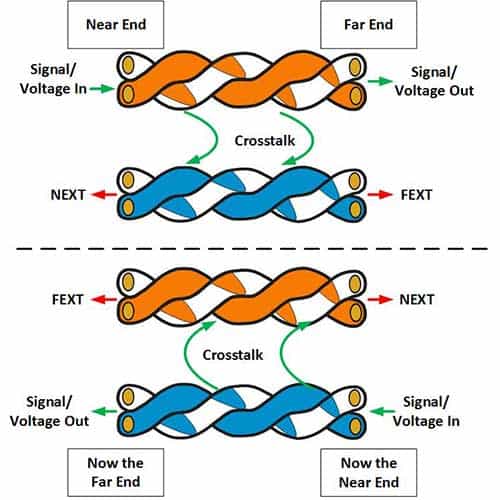
Crosstalk
Crosstalk is a form of interference in which signals in one cable induce electromagnetic interference (EMI) in an adjacent cable.
-
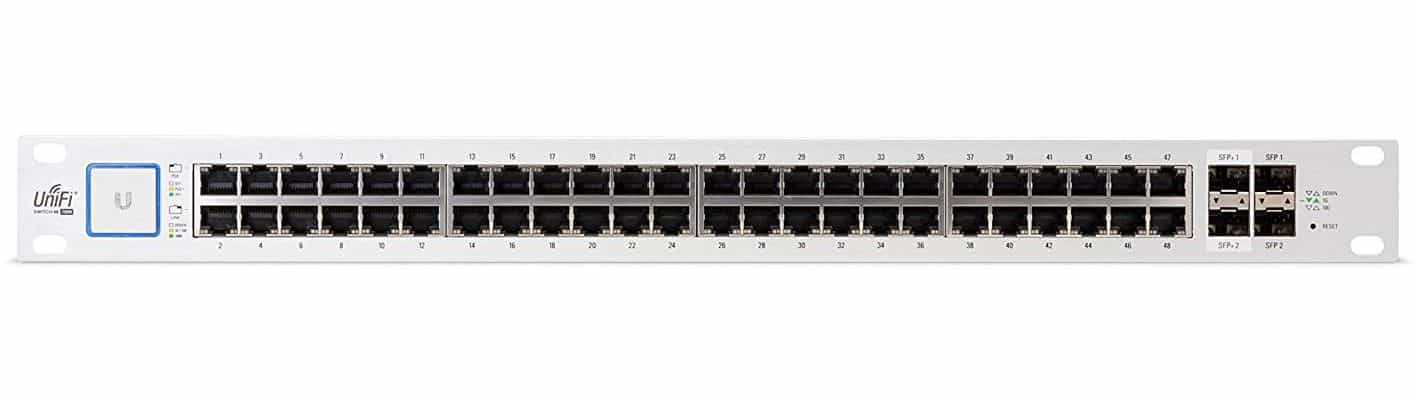
Ethernet Switch
Sometimes simply called a switch (when referring to Ethernet networking hardware), a networking component used to connect workgroup hubs to form a larger network or to connect stations that have high bandwidth needs.
-
Switch
Switch is any device that can control the flow of electrical signals. A number of special-purpose switches are used in networking.
-

Cyclic Redundancy Check (CRC): Ensuring Data Integrity Through Mathematical Precision
Cyclic Redundancy Check (CRC) is a mathematical algorithm used to detect errors in digital data during transmission or storage. Originating from the pioneering work of W. Wesley Peterson in 1961, CRC has become a cornerstone in ensuring data integrity across various digital communication systems.