
Our Latest Articles
-
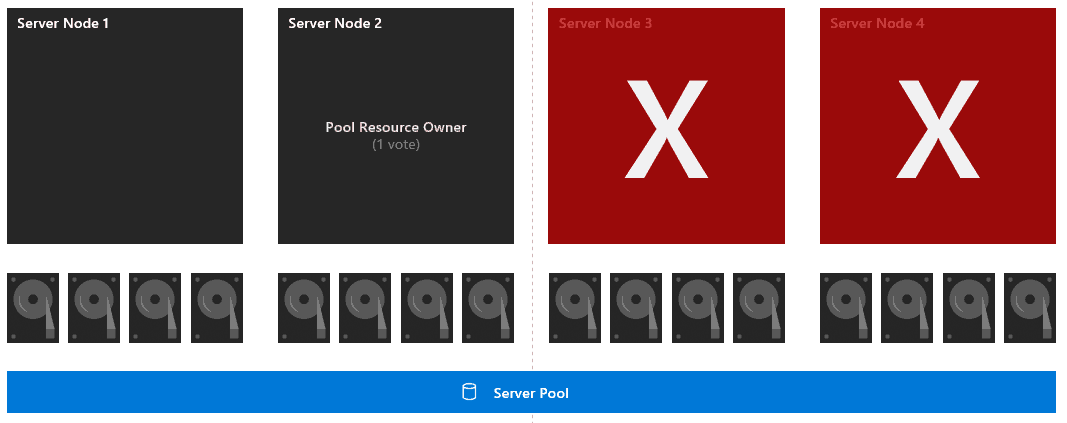
Quorum Resource
In every failover cluster, a single resource is designated as the quorum resource. The Cluster service uses the quorum resource to perform two fundamental tasks: The quorum resource allows the cluster to maintain its state and configuration independently of individual node failures. The quorum resource stores a constantly-updated version of the cluster database and is accessible to all cluster nodes. When…
-

Bitcoin: A Peer-to-Peer Electronic Cash System
This is the Bitcoin Paper, or “Bitcoin: A Peer-to-Peer Electronic Cash System”. Written by Satoshi Nakamoto, it was the inception of cryptocurrency.
-
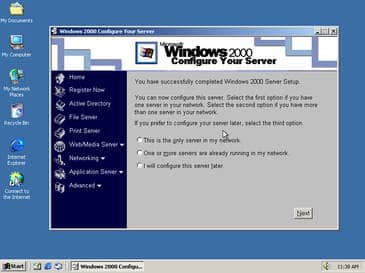
Windows 2000
Windows 2000 was a Microsoft operating system built on NT Technology for use on personal computers, business desktops, laptops, and servers.
-
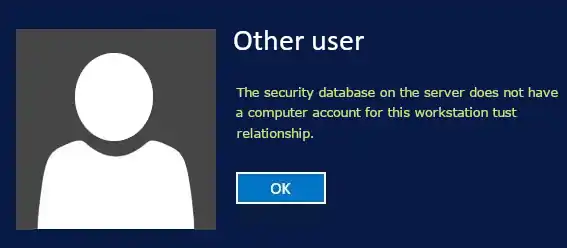
Local Security Database
Discover the Local Security Database in Windows – the core of user authentication and policy enforcement for uncompromised security.
-
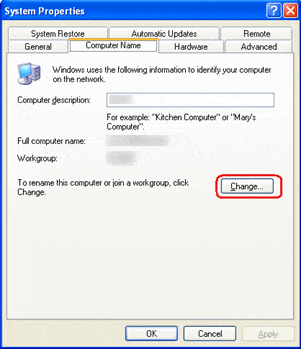
Windows Workgroup
A Workgroup (in Windows Networks) is a logical grouping of networked computers that can share resources with each other. These resources might include files, printers, and other devices. A workgroup is often called a peer-to-peer network because all computers in a workgroup are equally important. In other words, no single computer “runs the network,” as in a…
-

WOW
WOW stands for “Win16 on Win32,” a component of the Microsoft Windows NT operating system that enables 16-bit Microsoft Windows applications (such as those designed to run on Windows 3.1 and Windows for Workgroups 3.11) to run properly on Windows NT’s 32-bit operating system. How WOW Works Like MS-DOS applications, 16-bit Windows applications (Win16 applications)…
-
Windows Management Instrumentation (WMI)
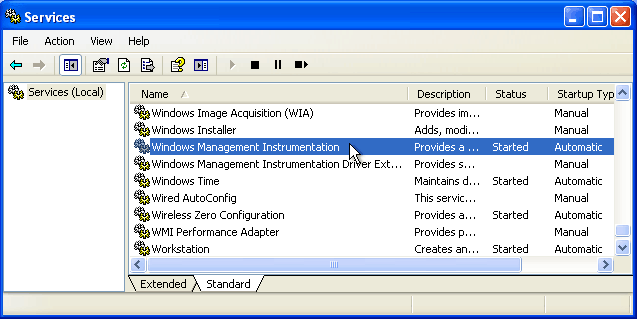
Windows Management Instrumentation, or WMI, is Microsoft’s implementation of the Web-Based Enterprise Management (WBEM) architecture for enterprise-level network management. Administrators can use Windows Management Instrumentation (WMI) to track, monitor, and control computers, networking devices, and applications belonging to an enterprise network over the Internet by using a standard Web browser such as Microsoft Internet Explorer.…
-

Check Disk Utility: Chkdsk Command
The transition from Scandisk to Chkdsk marks a pivotal advancement in disk diagnostics and repair. The Chkdsk (Check Disk) utility, integral to Windows 10 and Windows 11, embodies the essence of system resilience and data integrity.
-

Telco
Explore the transformation of Telcos from basic telephone service providers to all-in-one communications giants. Learn about their evolving roles, services, and impacts on our daily lives.
-

Understanding File Ownership in NTFS
In the NTFS file system, the concept of ‘Owner’ plays a pivotal role in managing file permissions and security. Essentially, the Owner is the user or entity that wields ultimate control over a file’s permissions, typically being the file’s creator. By default, the Owner has the authority to modify the object’s discretionary access control list…
-
Taking Ownership (NTFS)
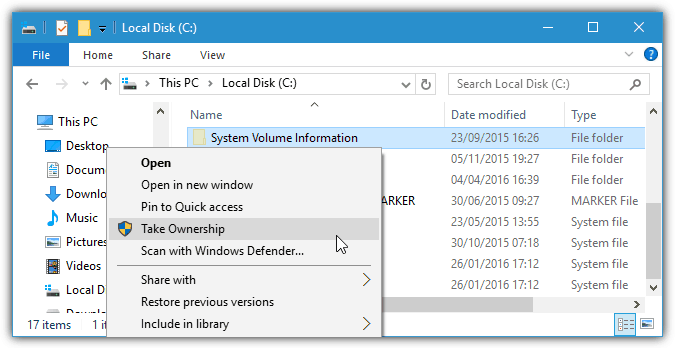
Taking Ownership is assuming ownership of an object – usually a file or a folder – on an NTFS volume and thereby gaining the right to share the object and assign permissions to it. The user who creates a file or folder on an NTFS volume is the owner.
-
Task Manager
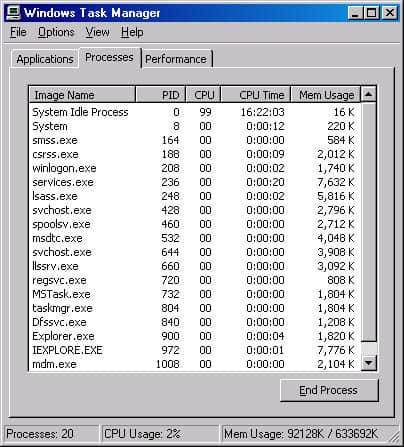
The Task Manager is a tool created by Microsoft for Windows NT and Windows 2000 that you can invoke by clicking the Task Manager button in the Windows Security dialog box. You access the dialog box by pressing Ctrl+Alt+Del, the secure attention sequence (SAS) keystroke combination. You can use Task Manager to: Start, view, change…