
Our Latest Articles
-
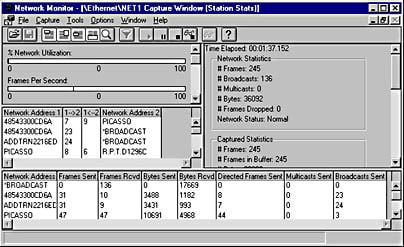
Network Monitor (Windows)
Microsoft Network Monitor was a Windows administrative tool that functioned as a software-based network packet analyzer for troubleshooting network problems. You can use Network Monitor to: Capture data frames from a connected network Display, filter, edit, and retransmit frames on the network Monitor and display protocol statistics Examine individual captured frames in detail Index History…
-
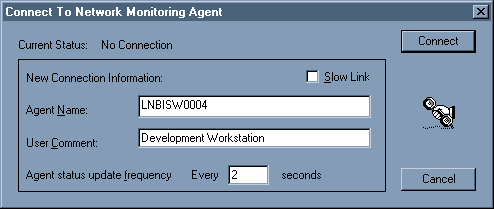
Network Monitor Agent
Traverse the transformation from Windows NT’s Network Monitor Agent to today’s advanced network monitoring solutions. Discover the journey of network tools adapting to modern challenges.
-
Transact-SQL (T-SQL)
T-SQL stands for Transact-SQL, which is Microsoft’s and Sybase’s proprietary extension to the SQL (Structured Query Language) used to interact with relational databases. T-SQL expands on the SQL standard to include procedural programming, local variables, various support functions for string processing, date processing, mathematics, etc., and changes to the DELETE and UPDATE statements. Index Creating…
-
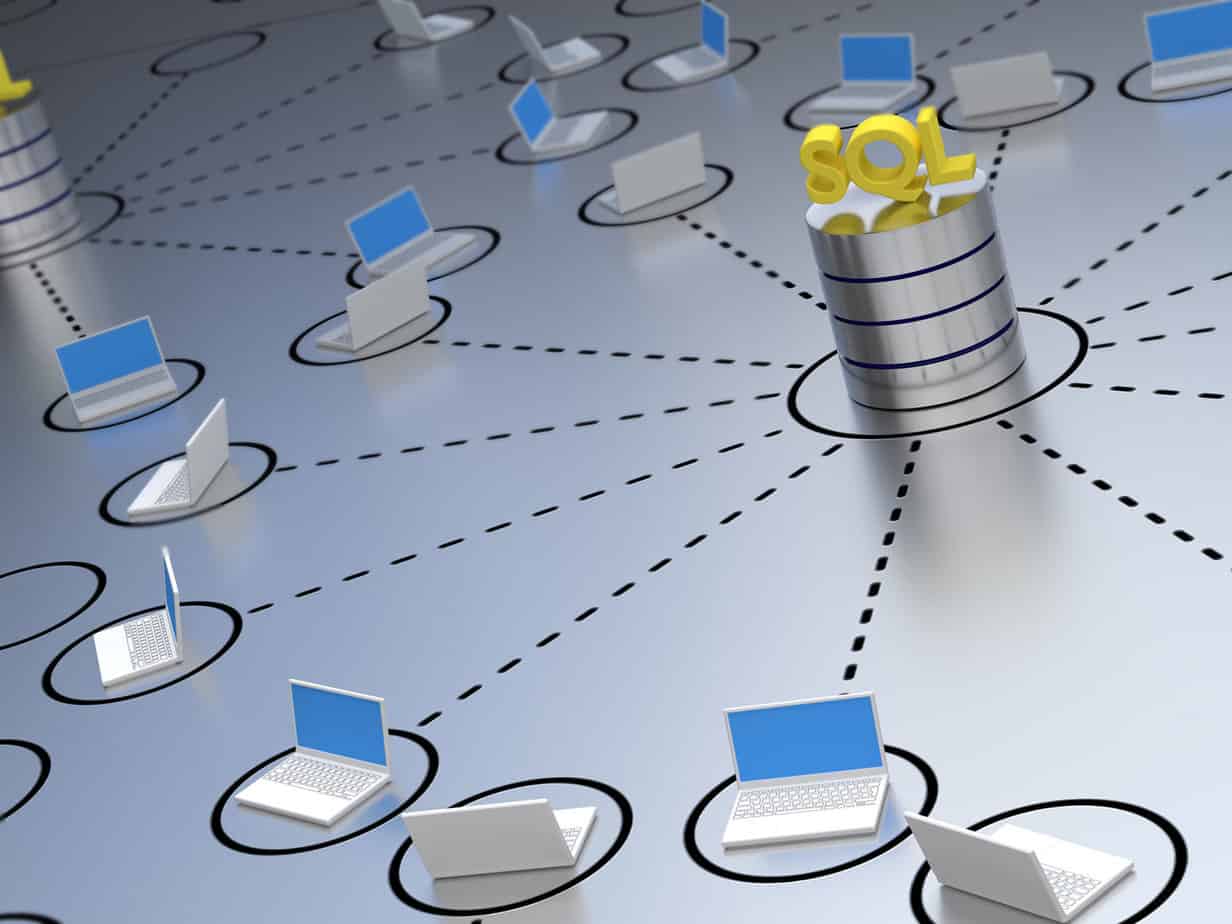
Structured Query Language (SQL)
Definition of Structured Query Language in the Network Encyclopedia. What is Structured Query Language (SQL)? SQL stands for Structured Query Language, a standards-based language used by relational database management programs primarily for constructing queries. Structured Query Language was originally developed by IBM for mainframe computing environments and is widely used in relational database management systems.…
-

National Institute of Standards and Technology (NIST)
The National Institute of Standards and Technology (NIST) stands as a cornerstone of technological advancement and standardization in the United States.
-
Flow Control
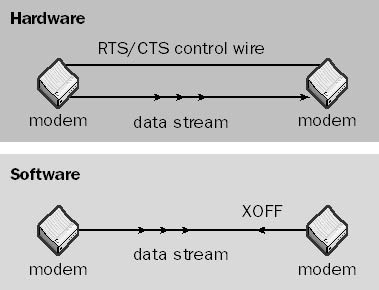
Definition of Flow Control in the Network Encyclopedia. What is Flow Control in networking? In networking, Flow Control is the mechanism by which a modem controls the rate at which it receives data from another modem. You can also use flow control to describe data rate control mechanisms between other devices, such as computers and…
-
Fiber Exhaust
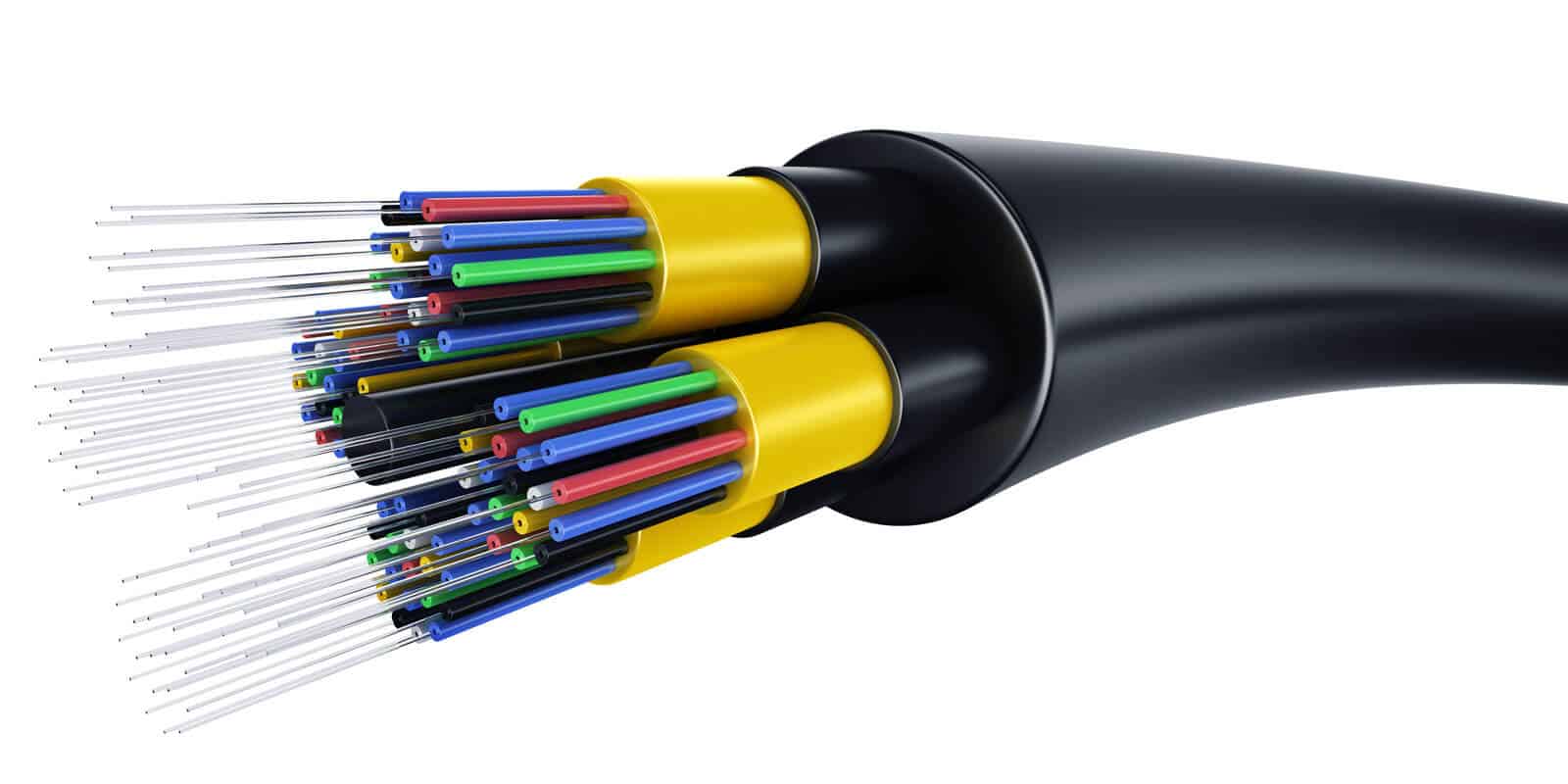
As our digital world expands at an unprecedented rate, so does the demand for high-speed data services. This constant need for more bandwidth brings us to a critical bottleneck known as Fiber Exhaust—a term that refers to the potential saturation of our existing fiber-optic infrastructure. While the idea of Fiber Exhaust isn’t new, the landscape…
-
Terminal Services
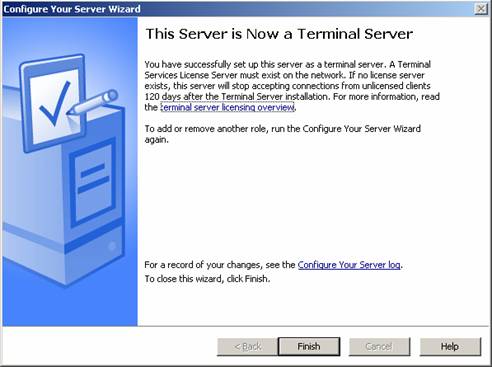
Terminal Services is one of the components of Microsoft Windows that allow a user to take control of a remote computer or virtual machine over a network connection. Terminal Services reduces total cost of ownership by: Simplifying system administration by centralizing the installation and management of all applications on the server and supporting full remote…
-
Terminal Server
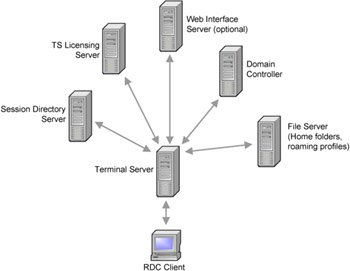
Terminal Server is a server that provides the back-end support needed for terminals to function. This can be a mainframe system, a UNIX host running X Windows, or a PC-based server running software such as Microsoft Windows Server. The terminal server generates the desktop environment presented to the user on the terminal and performs all…
-
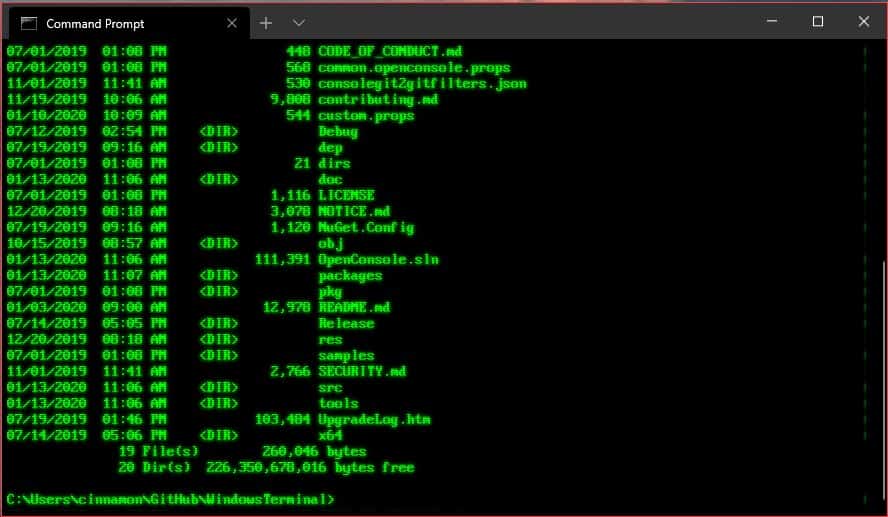
Terminal
In the context of computer networks, a terminal can refer to any device at the “end” of a network connection.
-

Terminal Emulator
Enter the world of terminal emulators – the bridge between the present and the era of mainframes and minicomputers.
-

National Electrical Code (NEC): A Comprehensive Guide
Learn all about the National Electrical Code (NEC), a vital framework that underpins the safety of electrical systems across environments. From residential homes to expansive commercial infrastructures.