
Our Latest Articles
-
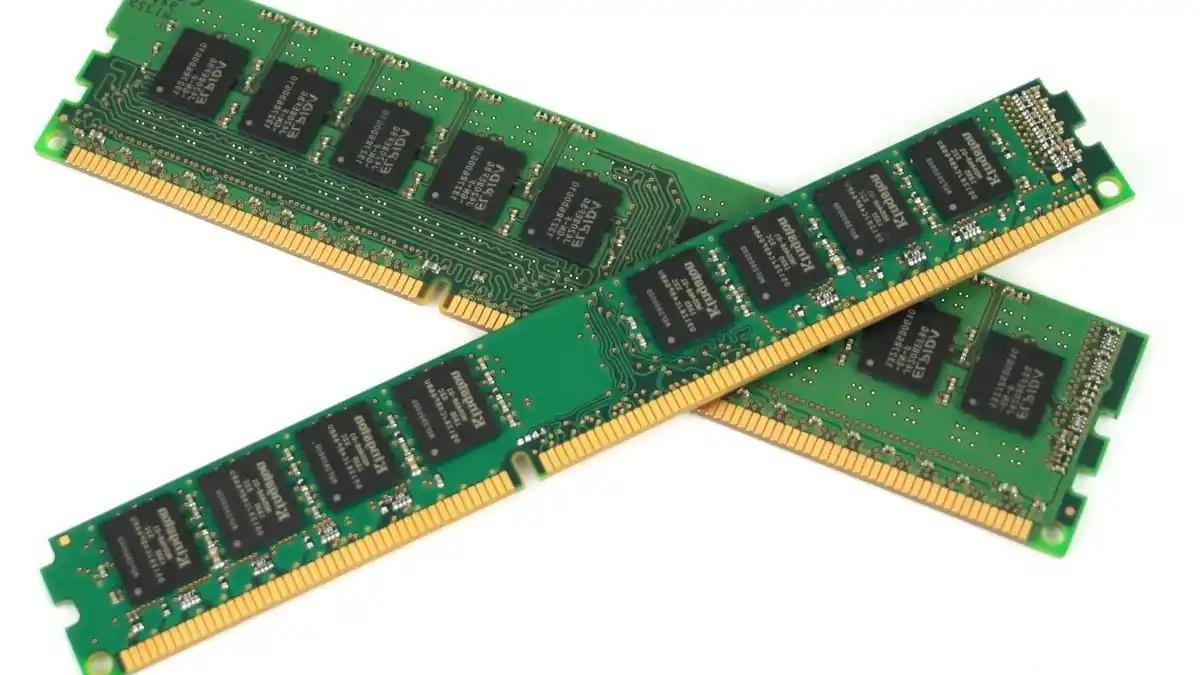
ECC RAM
ECC RAM stands for Error-Correcting Code RAM. It’s a specialized form of computer memory that integrates sophisticated error detection and correction functionalities.
-
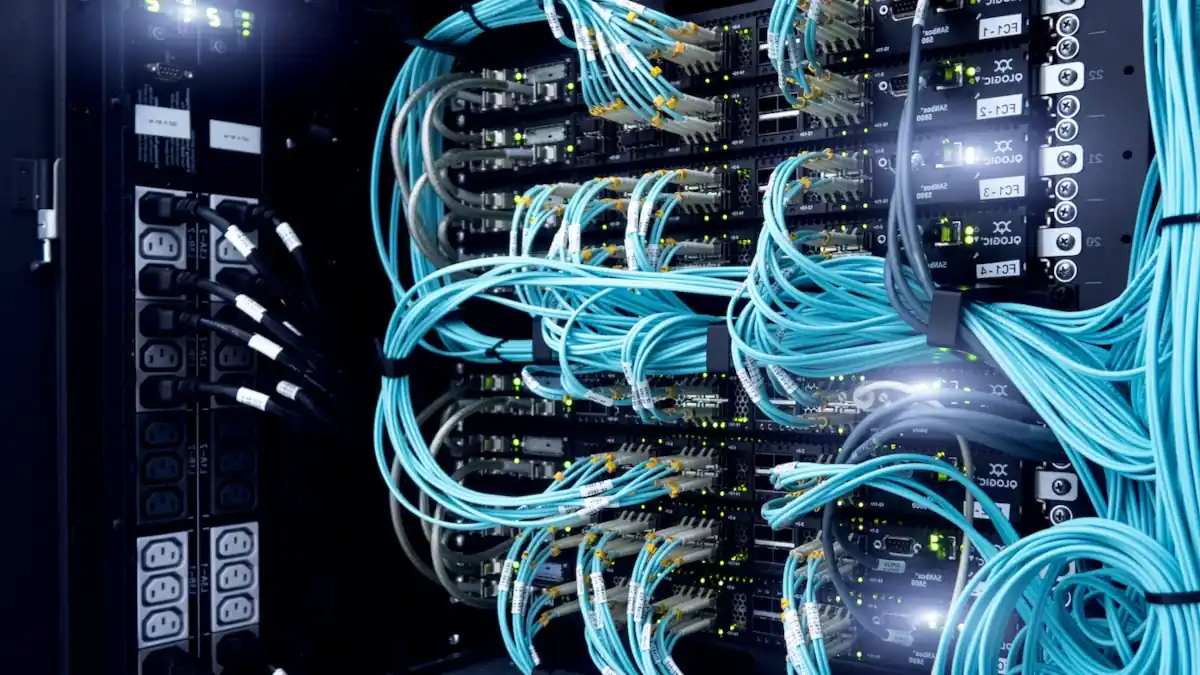
Fibre Channel
Fibre Channel is a high-speed, reliable, and scalable networking technology designed specifically for storage area networks (SANs) and other data-intensive environments
-
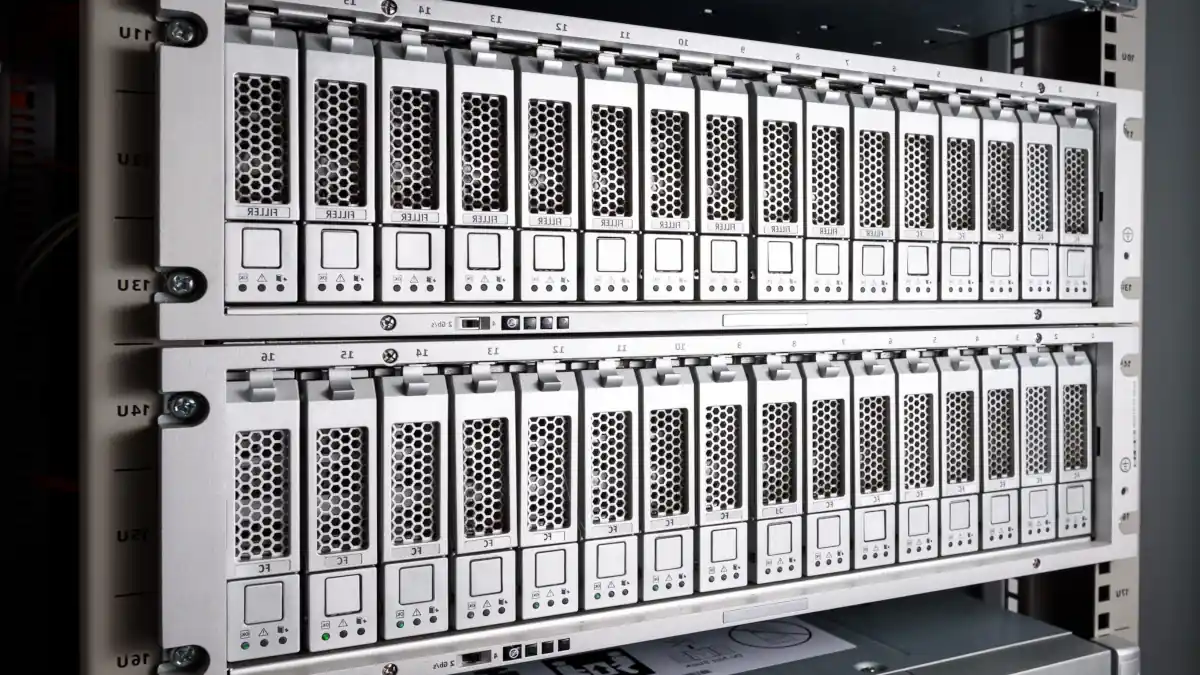
Demystifying Storage Area Network (SAN)
In this blog post, we will embark on a journey to unravel the mysteries of SANs, exploring their fundamental concepts, benefits, and real-world applications.
-
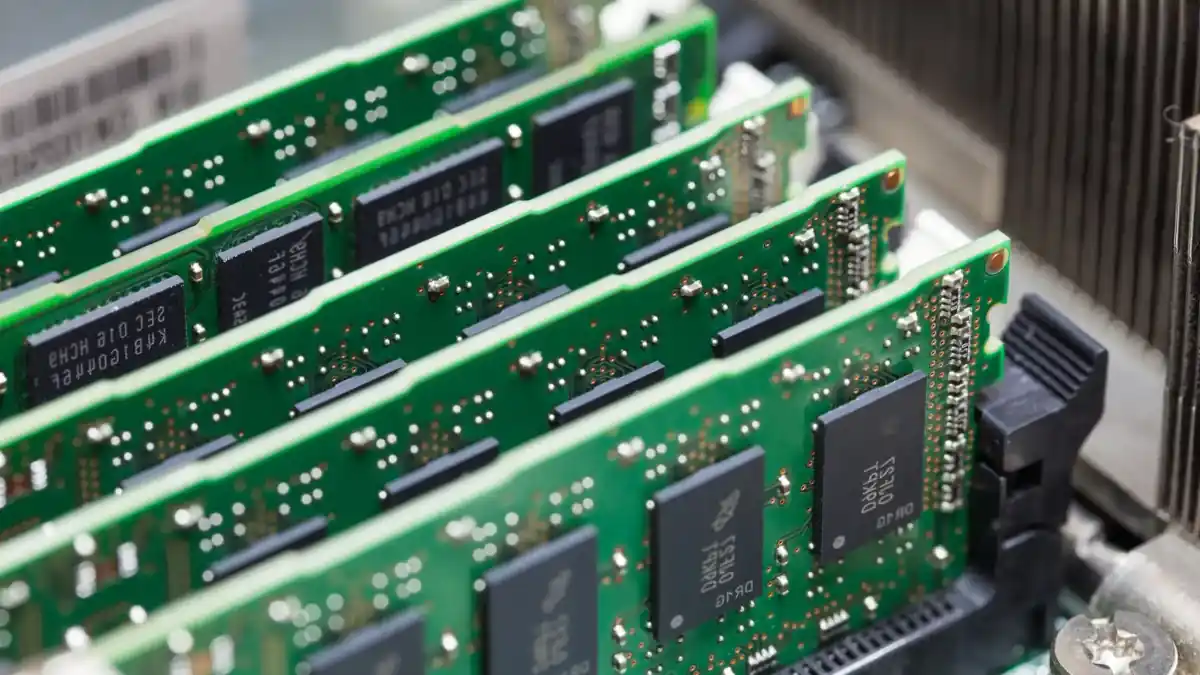
DDR RAM
DDR RAM, short for Double Data Rate Random Access Memory, is a type of computer memory that offers improved data transfer rates compared to its predecessors.
-

The Evolution of Wi-Fi Technology and its Impact on Modern Networks
In the dawn of the digital age, a revolutionary technology emerged, altering the very fabric of human communication and connectivity – the Wireless Fidelity,
-
Wired vs. Wireless Networks: Which is Right for Your Business?
In the digital age, the network infrastructure a business chooses serves as its backbone, crucial for operational efficiency and scalability. As companies evolve and adapt to the ever-changing landscape of technology, the dilemma between opting for wired or wireless networks becomes increasingly significant.
-
Software-Defined Networking (SDN): The Future of Networking?
Software-Defined Networking (SDN) is a network architecture approach that decouples the control plane from the data plane, enabling centralized control of the entire network through software.
-

Difference between port 80 and port 443
Port 80 and port 443 are both used for transmitting HTTP and HTTPS traffic, respectively, but they operate at different layers of the networking stack and use different protocols.
-
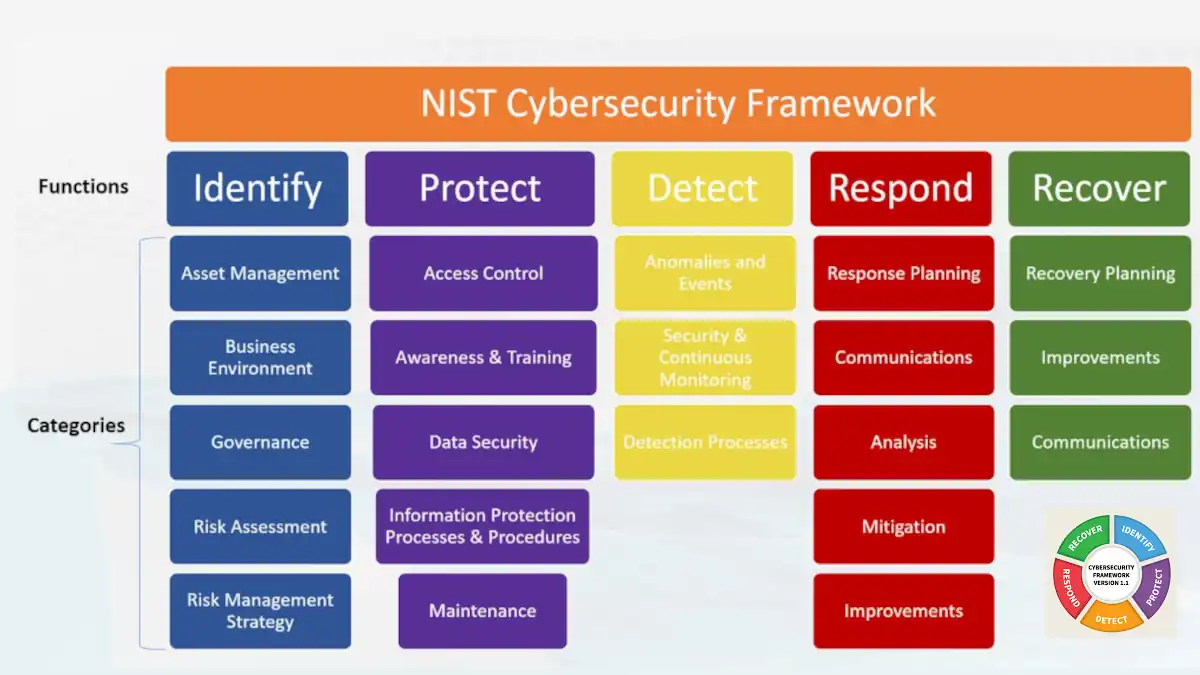
National Institute of Standards and Technology (NIST) Cybersecurity Framework (CSF)
The National Institute of Standards and Technology (NIST) Cybersecurity Framework (CSF) is a set of guidelines and best practices for managing cybersecurity risks in an organization.
-

Starting to Understand Quantum Computing in a Simple Way
Quantum computing is a type of computing that uses the principles of quantum mechanics to perform calculations and solve problems.
-
Difference Between a Public IP Address and a Private IP Address
The main difference between a Public IP Address and a Private IP Address is that public IP addresses are used to identify and locate devices on the internet, while private IP addresses are used to identify and locate devices on a private network.
-
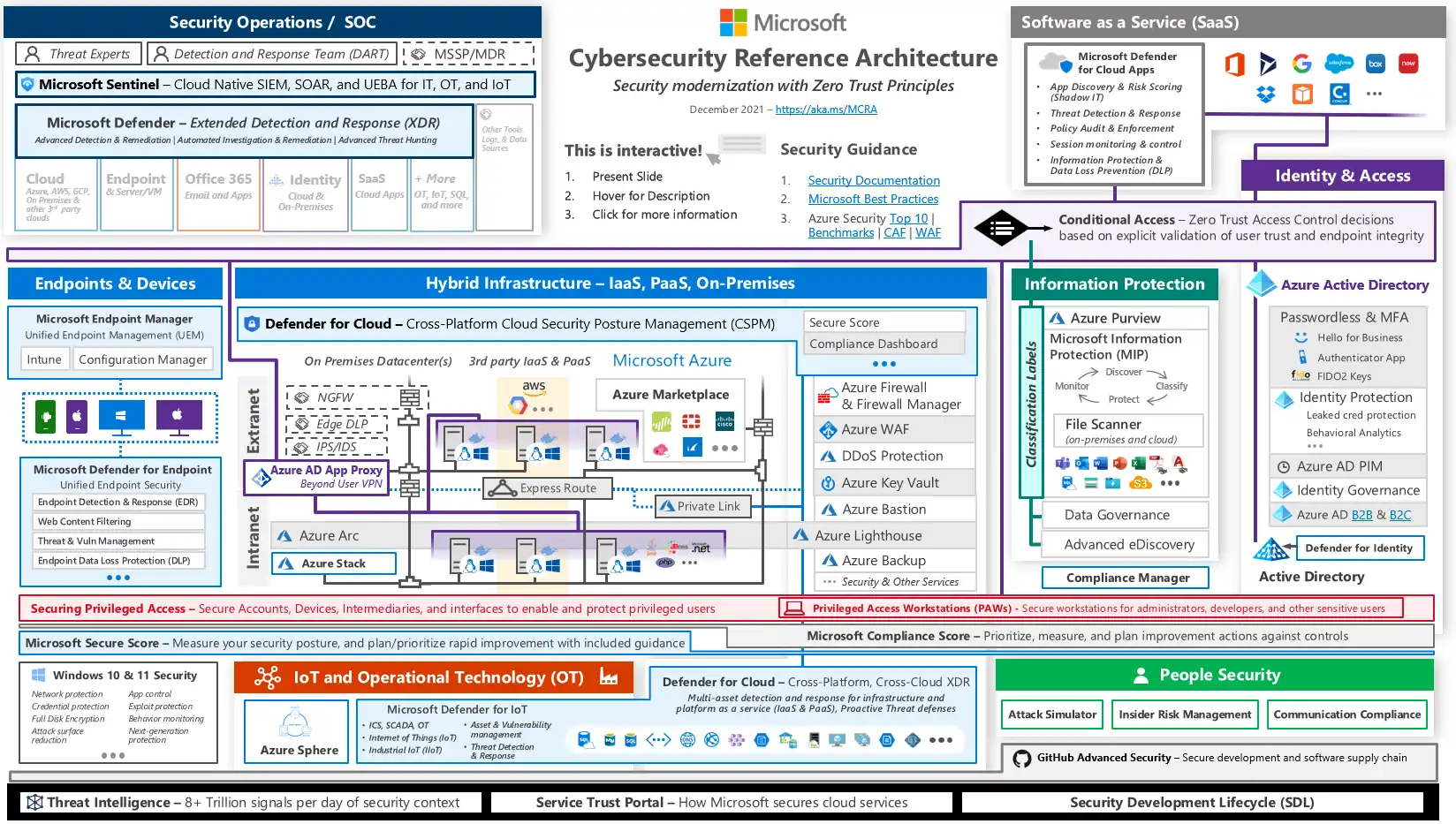
Microsoft Cybersecurity Reference Architectures (MCRA)
Microsoft Cybersecurity Reference Architectures (MCRA) is a set of documents and resources provided by Microsoft that outline recommended approaches for designing and implementing secure systems and networks.